
Business
CBN raises bank’s FX loan limits

By Odunewu Segun
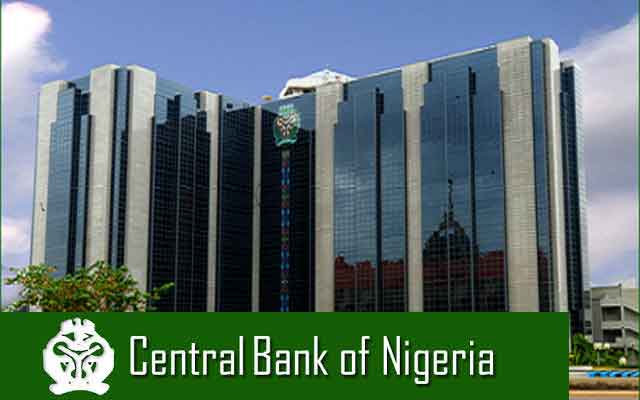
The Central Bank of Nigeria has increased the limit on banks’ foreign currency borrowings to 125 percent of shareholders’ fund after some lenders breached its regulatory limit due to the recent fall in the naira, National Daily has gathered.
In a circular released by the CBN, the new regulation replaces a 2014 rule capping foreign borrowings, including Eurobonds, at 75 percent of shareholders’ funds as the country tries to manage widespread capital shortfalls at lenders due to a currency crisis and bad loans.
The new rules also prescribes that all foreign borrowing should be hedged through the financial markets and debt should have a minimum of five year maturity except for trade lines. It directed lenders to report on their utilisation of foreign currency borrowings on a monthly basis.
The CBN has been trying to curb pressures on the naira from excess demand for dollars. It also wants to help avoid widespread capital raises for the banking industry given the weak equity markets and expensive debt market yields.
The International Monetary Fund (IMF) last month urged Nigeria to quickly increase the capital of undercapitalized banks and putting a time limit on regulatory forbearance but welcomed efforts to strengthen the banking sector.
ALSO SEE: 10 highlights about FG’s whistleblowing policy
The naira lost around a third of its official value last year after the CBN lifted its dollar peg to float the currency on the interbank market. It later re-imposed a quasi-peg to avoid further currency loss, thereby creating multiple exchange rates, which has covered the pressure on the naira and stunted inflows as investors struggle to price naira assets.
With the sharp falls in the currency, banks have seen their dollar loan books swell in naira terms, the CBN said. This implies that they have to hold more capital in order to keep within a regulatory threshold of loan to capital ratio.
Banks raised over $1.5 billion from issuing Eurobonds and other types of debt instruments in 2013 as they rushed to lend to the once lucrative oil industry at the peak of crude prices before the 2014 price crash.
This week, the interbank lending rates rose sharply by around 100 percentage points, as commercial banks scrambled for cash to pay for bond purchases and cover their positions, traders said.
Overnight lending rates also rose to around 300 percent from 200 percent at the end of Wednesday, as naira liquidity dried up in the banking system and some banks were forced to borrow from the CBN.













-

 Latest7 days ago
US Immigration fees rise from October 16 as USCIS announces new charges
-
 Latest2 days ago
Israel marks 3 years since October 7 Hamas attack amid Gaza strikes, election debate
-

 Business7 days ago
Nigeria’s $55bn reserves raise fresh questions over naira value
-

 Health6 days ago
Florida sues Pfizer over deceptive COVID-19 vaccine marketing
-

 Business1 week ago
Tuoyo Erikowa wins digital marketing personality of the Year at 2026 EDGE awards
-

 Crime6 days ago
From camp to captivity: How kidnappers now target NYSC Corps members on highways
-

 Featured7 days ago
2027: Can Nigeria’s opposition still unite behind a single presidential candidate?
-

 Crime6 days ago
Fulani Militia leader linked to Christian killings arrested in Plateau