
Business
CBN’s monetary policy committee convenes amid inflation drop, market uncertainty

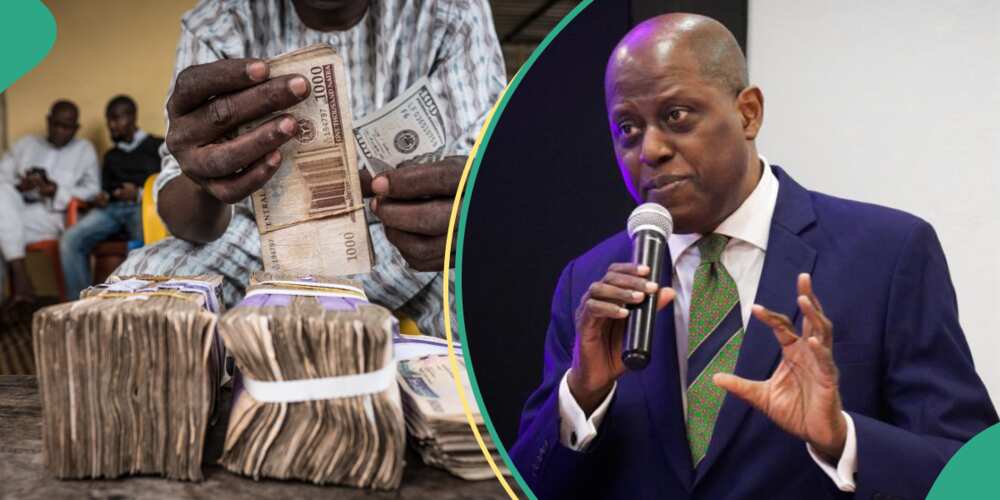
The Central Bank of Nigeria’s Monetary Policy Committee (MPC) begins its crucial two-day meeting today, Monday, May 19, through Tuesday, May 20, 2025, to deliberate on the country’s monetary policy direction.
The meeting comes at a pivotal time as Nigeria navigates easing inflation, volatile foreign exchange markets, and persistent economic challenges.
The MPC, the apex decision-making body of the CBN, faces the task of deciding whether to retain the current Monetary Policy Rate (MPR) of 27.50% or adopt a tighter monetary stance.
The MPR was last maintained in February, as the CBN sought to stabilize prices and manage inflation using conventional policy tools.
The meeting follows last week’s release of the National Bureau of Statistics (NBS) Consumer Price Index report, which showed a slight drop in inflation to 23.71% in April, down from 24.23% in March.
The decline has fueled speculation among financial experts and market analysts that the MPC may opt to hold rates steady to consolidate gains and avoid further tightening in an already strained economy.
As of Friday, May 16, the naira stood at N1,598.72/$1 in the official market, according to the CBN, while trading at N1,635/$1 in the parallel market.
READ ALSO: Naira begins week stronger at official market amid volatility
The wide gap between the official and unofficial exchange rates highlights ongoing pressures in the foreign exchange market, despite recent interventions and policy reforms aimed at liberalizing the system.
Muda Yusuf, a respected economist and CEO of the Centre for the Promotion of Private Enterprise (CPPE), has cautioned against any further monetary tightening, citing already elevated policy rates and liquidity constraints in the banking system.
“The tightening option, I don’t think that should be on the table for now,” Yusuf said. “The MPR at 27.5% is already one of the highest in the world. The Cash Reserve Ratio (CRR) is 50%, which is extremely high, and the asymmetric corridor of +500 basis points means the effective rate could go as high as 32.5%.”
He warned that further tightening could stifle credit to the real sector, hamper economic growth, and place an additional burden on businesses already struggling with rising operational costs.
CBN Governor Olayemi Cardoso has consistently emphasized the bank’s commitment to orthodox monetary policies in addressing Nigeria’s inflation crisis.
He has ruled out unconventional or expansionary tactics, underscoring the need for policy consistency and fiscal discipline.
The outcome of the MPC meeting is expected to influence investor sentiment, borrowing costs, and the trajectory of the naira in the coming weeks.
Economists say the committee must strike a delicate balance between curbing inflation, supporting economic growth, and stabilizing the currency.
With inflation showing signs of slowing, but structural challenges still in play, all eyes are on the MPC’s decision and the forward guidance it provides for the rest of the year.


-

 Business1 week ago
NGX loses N3trn in three days as Dangote Cement, Aradel, Banks lead sell-off
-

 Latest1 week ago
Tinubu’s 2027 re-election bid: New promises, old questions and an unfinished record
-

 Featured4 days ago
Four reportedly killed in Delta NDC attack as Tinubu’s ‘All Is Fair in Politics’ remark faces fresh scrutiny (Video)
-

 Latest1 week ago
2027: Dele Momodu predicts Peter Obi will defeat Soludo’s Tinubu mobilisation in Anambra
-

 Football1 week ago
Infantino hails Oborevwori over Warri Stadium remodelling, eyes major FIFA events
-

 Latest6 days ago
2027: Obi declares election day ‘Public Holiday’ for vote defence, warns against rigging
-
 Latest4 days ago
Abuja protesters March on INEC headquarters, demand accountability ahead of 2027 elections [video]
-

 Football3 days ago
Man United: Pochettino prioritises new striker over defensive signings in January