
Business
COVID-19: CBN, Fitch differ on Nigerian Banks’ strength, profitability

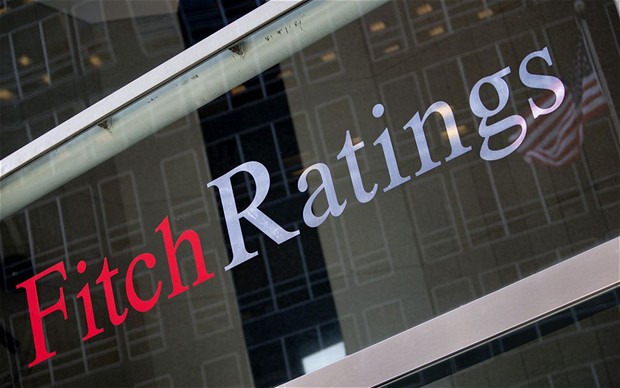
The stress tests conducted by the Central Bank of Nigeria (CBN) have revealed that commercial banks in the country are strong enough to withstand the COVID-19 pandemic impact, also rating their balance sheets and profitability margins are high.
This is contrary to Fitch Ratings’ report which indicated that the Cash Reserve Ratio (CRR) policy being implemented by the CBN will affect banks’ returns and ability to lend.
In a report, Fitch said banks are being punished at a time when most other countries are giving lenders extra leeway to fight the economic fallout of the Coronavirus.
Reacting to the test result, a professor of Economics at the University of Ibadan and member of the CBN-led Monetary Policy Committee (MPC), Festus Adenikinju, said the data from the CBN on the Banking System Stability showed that the banking system remains resilient, strong, and coping well under the current challenging environment.
According to him, the Capital Adequacy Ratio (CAR) and Non-Performing Loans (NPLs) ratio are trending in the right direction.
The Loan to Deposit Ratio (LDR) policy has boosted aggregate credit to the economy without impacting negatively on the NPLs ratio.
He said measures of bank performance like assets, deposits and credits to the economy, continue on a northward trajectory, noting that the banking credit grew marginally between May and June.
Adenikinju insisted that the increase in aggregate credit to the economy in spite of the pandemic suggests that the economy is responding well to current policy measures.
Total banks credit to the economy increased marginally from N46.6 trillion in April to N46.7 trillion in May.
Meanwhile, the foreign exchange market continues to experience significant pressures as the exchange rate of the naira to the United States (U.S.) dollar rose from N443.89/$ in May to N447.71/$ in June at the Bureau de Change (BDC) window and from N386.17/$ to N386.39/$ at the Investors’ and Exporters’ (I&E) window.
The depreciation in both markets was driven by both fundamental factors and speculative activities of economic agents.
Adenikinju added that the fiscal operations of the Federal Government indicated that revenues underperformed with negative variance of -48.8 percent and expenditure by -4.89 per cent. Rising share of debt service in government expenditure is worrisome and would expectedly worsen due to the impact of COVID-19 pandemic and the downturn in the global oil market.
He said: “While oil prices continue to be strong and equity markets rebound in many advanced and emerging economies, the rise in unemployment and weak economic growth for second quarter 2020 in many countries are major challenges.


-

 Latest1 week ago
Global excitement builds as Healing Streams Live Services returns October 23
-

 Featured7 days ago
Inside INEC’s race to prepare for Nigeria’s 2027 elections
-

 Business1 week ago
President Tinubu and the Low Transport Fares Fiasco
-

 Featured7 days ago
2027: APC unveils nationwide campaign timetable, Tinubu to rally in 12 states
-
 Business4 days ago
Naira faces exchange rate gap as Dollar hits N1,380 on parallel market
-
 Business7 days ago
Court dismisses ₦170m Trade Fair contract claim, says Zenith Bank was not a party
-

 Latest7 days ago
Breaking: NNPCL raises petrol price to ₦1,405 per litre amid discount controversy
-

 Business1 week ago
Rite Foods targets beverage market growth with LIDA Malt