
Business
Currency redesign policy fuels naira stability at parallel market — BDCs

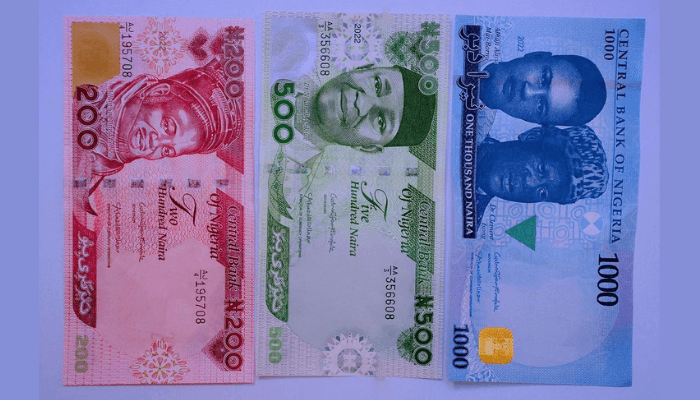
The Association of Bureaux Des Change Operators of Nigeria (ABCON), says that the naira redesign policy of the CBN has fuelled the stability of the naira at the parallel market.
Alhaji Aminu Gwadabe, President ABCON, stated this in an interview with the News Agency of Nigeria on Sunday in Lagos.
NAN reports that Gwadabe spoke against the backdrop of the outlook of the naira as the January 31 deadline for the swap of the old naira notes with the new ones approaches.
“The naira redesign and the security surveillance of the financial system have stemmed the volatile demand pressure in the parallel market.
“This explains the stability witnessed at the retail end of the parallel market,” Gwadabe said.
The ABCON chief said that the naira had traded within a stable band of N750 to the dollar since the introduction of the policy till date.
He said that the exchange rate had remained stable in the face of the shortage of supply of the dollar in the market.
According to him, the lack of available new naira notes have continued to raise fears and concerns among average Nigerians.
He urged the CBN to continue its advocacy and stakeholders engagement to ensure a seamless transition of old notes to the new ones.












-

 Business1 week ago
Dangote Refinery IPO: 70% Subscription claim meets fourfold demand assertion as investors seek clarity
-
 Featured4 days ago
Inside INEC’s race to prepare for Nigeria’s 2027 elections
-

 Latest6 days ago
UCTH faces morgue crisis as 50 unclaimed corpses await mass burial
-

 Featured4 days ago
2027: APC unveils nationwide campaign timetable, Tinubu to rally in 12 states
-

 Business6 days ago
BREAKING: Nigeria’s Inflation Rate Drops to 14.63% in September
-

 Aviation1 week ago
Germany opens online application route for student, EU Blue Card and other long-stay visas
-

 Business5 days ago
President Tinubu and the Low Transport Fares Fiasco
-
 Business4 days ago
Court dismisses ₦170m Trade Fair contract claim, says Zenith Bank was not a party