
Business
Dollar sells for N955/$1 at parallel market, Euro, Pounds appreciate

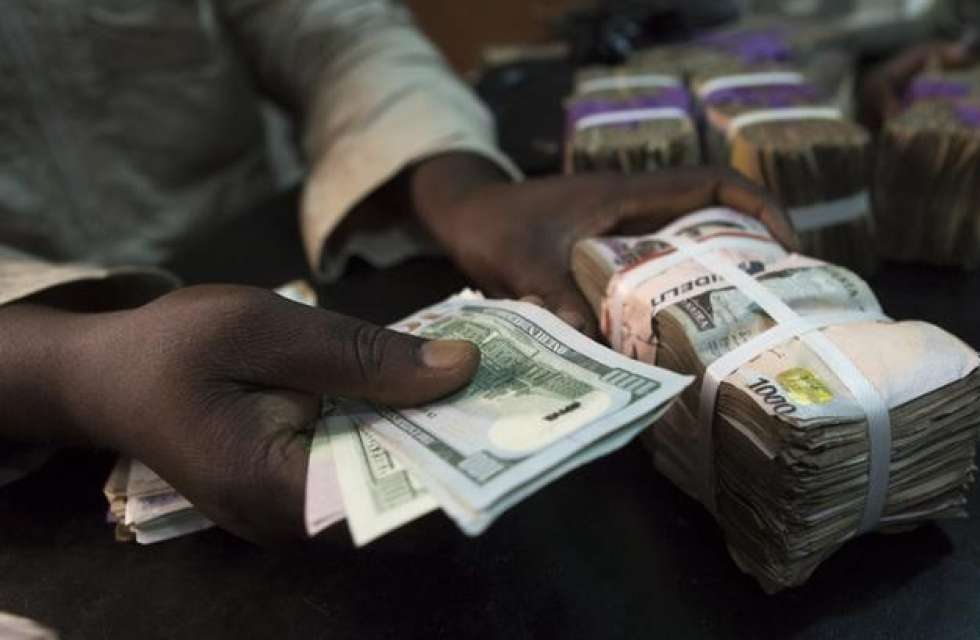
The exchange rate for a Dollar to Naira at Lagos Parallel Market players buy a dollar for N950 and sell at N955, compared to the N945.1kobo the American greenback was sold for a day earlier, according to sources at Bureau De Change (BDC).
Similarly, the closing rate of the United States Dollar was N780/$1 on Thursday, as the naira depreciated in value by 2.88 per cent in the Investors’ and Exporters’ window of the official market.
Authorised dealers in the official foreign exchange window backed by the Central Bank of Nigeria (CBN) raised their asking price by N21.88 kobo from N758.12/$1 rate reported at the end of trading the previous day.
September has witnessed the highest loss in the black-market exchange rate, with market differential prices fluctuating by less than 1% throughout the month. In the peer-to-peer market, the dollar traded at N951, dropping from N927/$1 reported just a day prior.
READ ALSO: Liquidity, demand constraints responsible for Naira’s devaluation –Commercio Partners
Similarly, the Naira depreciated against the British Pound by 1.66%, going from N1190/£1 to N1210/£1. This downward trend persisted with the Euro, as the exchange rate slipped by 2.51% from N995/€1 to N1020/€1.
This widespread decline comes a day after the Central Bank of Nigeria (CBN) issued a warning to International Money Transfer Operators (IMTOs) to adhere to its plus or minus 2.5% price limits.
Despite promises to address the issue, the apex bank has yet to rectify the supply constraints, leaving speculators unaffected.
Three months after unifying the Exchange Rate window, Nigeria continues to grapple with a currency crisis that has led many citizens to consider adopting the dollar.
Despite temporary losses for speculators, the exchange rate has continued to weaken as the central bank failed to demonstrate its planned action to improve supply.
READ ALSO: Naira exchanges for N744.97/$1, N1174.2/£1, N1004.6/€1 at official market
When the Tinubu administration backed the unification of the exchange rate on June 14th effectively introducing a managed float exchange rate system many experts and stakeholders lauded it as a significant step toward stabilizing the Naira.
However, three months later, the exchange rate has depreciated by a staggering 20.5% since the new system was implemented.
The country’s external reserves have also dwindled, falling from $34.6 billion at the time the managed float system was introduced to $33.2 billion as of September 12, 2023.
Despite the challenges, the Tinubu administration defends its policy, asserting that it’s crucial for preserving the country’s foreign reserves and attracting foreign investment.













-

 Featured5 days ago
Four reportedly killed in Delta NDC attack as Tinubu’s ‘All Is Fair in Politics’ remark faces fresh scrutiny (Video)
-

 Latest6 days ago
Abuja protesters March on INEC headquarters, demand accountability ahead of 2027 elections [video]
-

 Latest1 week ago
2027: Obi declares election day ‘Public Holiday’ for vote defence, warns against rigging
-

 Football5 days ago
Man United: Pochettino prioritises new striker over defensive signings in January
-
 Latest6 days ago
2027: Tinubu woos Lagos Igbo community, assures of inclusion in governance
-

 Business4 days ago
MTN Nigeria appoints five new directors in strategic board overhaul
-

 Featured6 days ago
NDC denies rift with Peter Obi over 2027 campaign funding
-

 Featured1 week ago
Lagos, Abuja lead Nigeria’s housing price race as rent, homeownership costs rise