
Comments and Issues
Elections and Democracy: A Vital Intersection
Elections are vital to democracy, providing citizens a means to express their political will and hold leaders accountable. However, challenges such as misinformation, voter suppression, and rising authoritarianism threaten the integrity of electoral processes.

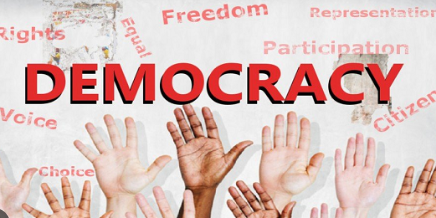
Elections are the cornerstone of democratic governance, serving as the primary mechanism through which citizens express their political preferences and hold their leaders accountable.
The integrity of electoral processes is crucial to maintaining public trust and ensuring that governments reflect the will of the people.
Key Aspects of Elections in a Democracy:
- Free and Fair Elections: For elections to be meaningful, they must be conducted fairly, allowing all eligible citizens to participate without intimidation or coercion. This includes equitable access to the ballot, transparency in the voting process, and impartial oversight to prevent fraud.
- Voter Rights: Ensuring that all citizens have the right to vote is fundamental to democracy. This involves safeguarding against discriminatory practices that disenfranchise specific groups, such as racial minorities or low-income populations.
- Political Participation: Beyond voting, democratic engagement encompasses a range of activities, including campaigning, advocating for issues, and participating in civic discussions. A vibrant democracy encourages active citizen involvement in shaping public policy.
- Combatting Misinformation: The rise of digital platforms has led to the proliferation of misinformation, which can undermine electoral integrity. Governments and civil society are increasingly focused on strategies to combat false narratives and ensure that voters have access to accurate information.
- International Observers: In many democracies, international observers play a critical role in monitoring elections. Their presence can help ensure transparency and build confidence in the electoral process, particularly in countries with a history of contested elections.
ALSO READ : The Growing Call for AI Regulation
Elections worldwide face significant challenges, including political polarization, voter suppression efforts, and the influence of money in politics.
In many countries, rising authoritarianism threatens democratic norms, leading to concerns about the fairness of elections and the erosion of civil liberties.
As the global landscape evolves, the importance of upholding democratic values through free and fair elections remains paramount.
Strengthening electoral processes, protecting voter rights, and fostering an informed electorate are essential steps in ensuring that democracy thrives and serves the interests of all citizens.
By addressing contemporary challenges, societies can work towards a more equitable and representative political system.










-

 Business1 week ago
Dangote Refinery IPO: 70% Subscription claim meets fourfold demand assertion as investors seek clarity
-
 Featured4 days ago
Inside INEC’s race to prepare for Nigeria’s 2027 elections
-

 Latest6 days ago
UCTH faces morgue crisis as 50 unclaimed corpses await mass burial
-
 Featured4 days ago
2027: APC unveils nationwide campaign timetable, Tinubu to rally in 12 states
-
 Business6 days ago
BREAKING: Nigeria’s Inflation Rate Drops to 14.63% in September
-
 Aviation1 week ago
Germany opens online application route for student, EU Blue Card and other long-stay visas
-

 Business5 days ago
President Tinubu and the Low Transport Fares Fiasco
-
 Business4 days ago
Court dismisses ₦170m Trade Fair contract claim, says Zenith Bank was not a party