
Business
FG justifies 50% telecom tariff hike amidst public outcry

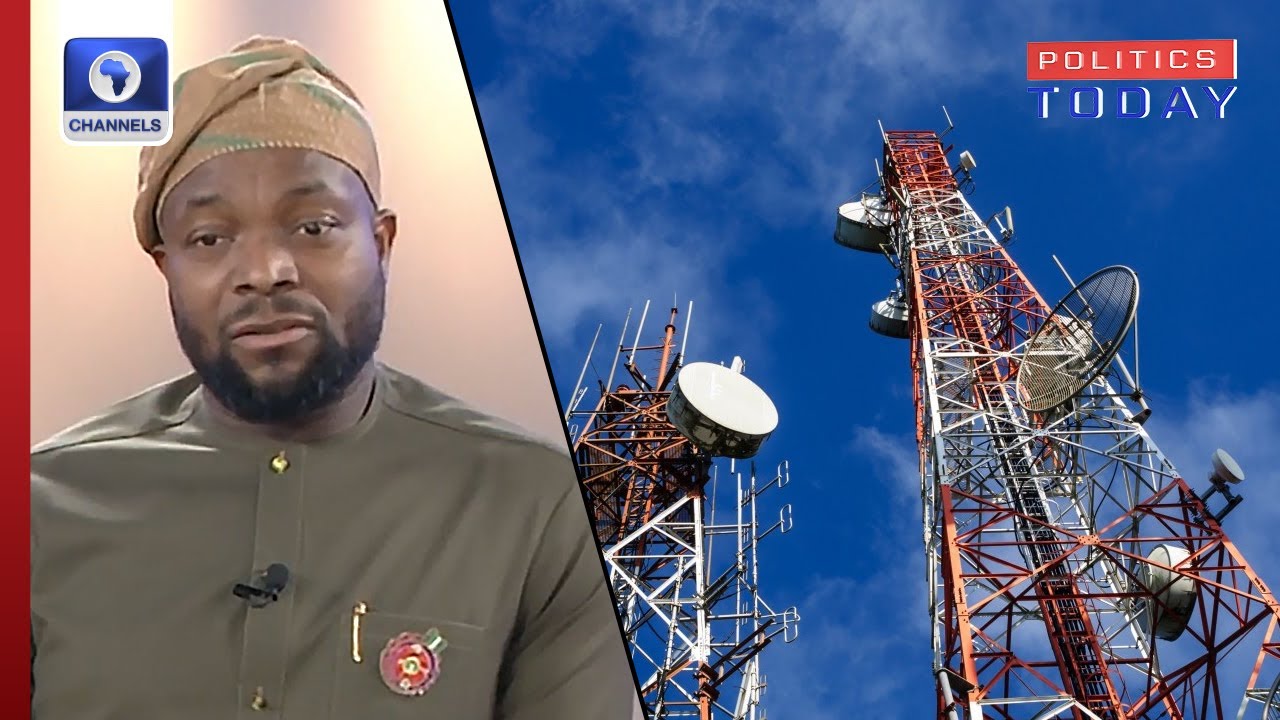
The Federal Government, through the Minister of Communications, Innovation, and Digital Economy, Bosun Tijani, has defended the recent 50% increase in telecom service tariffs.
Tijani attributed the adjustment to mounting economic pressures, including rising inflation and operational costs, while appealing for public understanding amidst widespread backlash.
Speaking on Tuesday before lawmakers during the ministry’s budget defense, Tijani emphasized the necessity of the tariff hike, pointing to the private sector’s dominant role in telecommunications infrastructure investments.
“Rising inflation and operational costs are the reasons for the recent tariff increase,” Tijani explained.
“Private companies drive most of the investments in telecommunications, and they naturally focus on areas where they can achieve profitability. Their decisions are often guided by economic indicators, such as night-time satellite data, which identify areas with high levels of activity.”
The Nigerian Communications Commission (NCC) announced its approval of the tariff adjustment on Monday, limiting the increase to 50%, despite initial proposals from some operators seeking over 100%. This marks the first tariff revision since 2013.
In a statement signed by its Director of Public Affairs, Reuben Muoka, the NCC justified the decision as necessary for balancing consumer protection with industry sustainability.
READ ALSO: NCC caps telecom tariff hike at 50% to address industry challenges
“The NCC has prioritized striking a balance between protecting telecoms consumers and ensuring the sustainability of the industry, including the thousands of Indigenous vendors and suppliers who form a critical part of the telecommunications ecosystem,” the statement read.
The tariff increase has sparked outrage among subscribers and advocacy groups, who argue that the adjustment places an additional financial burden on Nigerians already grappling with economic hardships.
Some groups have threatened to take legal action against the government, claiming the move is unjustifiable in the current climate.
Despite these criticisms, Tijani reiterated the importance of the tariff hike in ensuring the long-term viability of the telecommunications sector. “The industry’s sustainability is critical to maintaining connectivity, innovation, and economic growth,” he noted.
Tijani acknowledged the challenges faced by consumers but urged understanding, highlighting the delicate balance required to maintain affordable services while addressing the operational realities of telecom providers.
“The government remains committed to supporting the industry while ensuring that consumers are not unfairly burdened. However, rising costs necessitate adjustments to sustain the sector’s growth and stability,” he said.
As the debate over the tariff hike continues, the government and the NCC have pledged to monitor the situation closely to ensure that the interests of both consumers and operators are safeguarded.
The adjustment is expected to help telecom providers cope with rising costs while maintaining service delivery and expanding infrastructure to underserved areas.
While the government’s defense of the tariff hike highlights the economic pressures behind the decision, it remains to be seen whether the public and advocacy groups will accept these explanations or persist with their opposition.


-

 Football7 days ago
Saka: England still carry World Cup scar
-

 Latest3 days ago
Pastor Chris Oyakhilome announces mother’s passing at 88 [VIDEO]
-

 Latest5 days ago
Arsenal eye €70-80m move for Real Madrid star
-

 Business1 week ago
CBN reduces MPR by 350bps to 23% in major monetary policy shift
-

 Crime4 days ago
Police arrest suspect, launch manhunt for 2 others over Delta Education Director’s death
-

 Latest4 days ago
How adulterated palm oil, coloured pepper are putting consumers at risk
-

 Crime3 days ago
Deaths in NSCDC Custody: Can Nigeria guarantee the safety of detainees?
-

 Latest5 days ago
Obi left $155m in Anambra, Otti insists amid debt controversy