


Connect with us

Featured

Geopolitics: France, Russia compete for strategic influence in Togo

Published

on

Geopolitics: France, Russia compete for strategic influence in Togo

A quiet but intensifying geopolitical contest is unfolding in West Africa as France and Russia position themselves for influence in Togo, a coastal nation now seen as a strategic gateway to the wider Gulf of Guinea.

Once regarded as a stable pillar of French influence since independence in 1960, Togo has increasingly become a focal point in a broader realignment across the Sahel, where several military-led governments in Mali, Burkina Faso and Niger have shifted away from Paris and strengthened ties with Moscow. Analysts say this shift has triggered a southward scramble for influence toward coastal states with direct access to Atlantic trade routes.

France’s concern over its diminishing regional footprint was underscored by a rare diplomatic visit to Lomé by Foreign Minister Jean-Noël Barrot—the first such visit in 24 years. Discussions reportedly centered on preserving longstanding bilateral ties and countering expanding Russian engagement in the region.

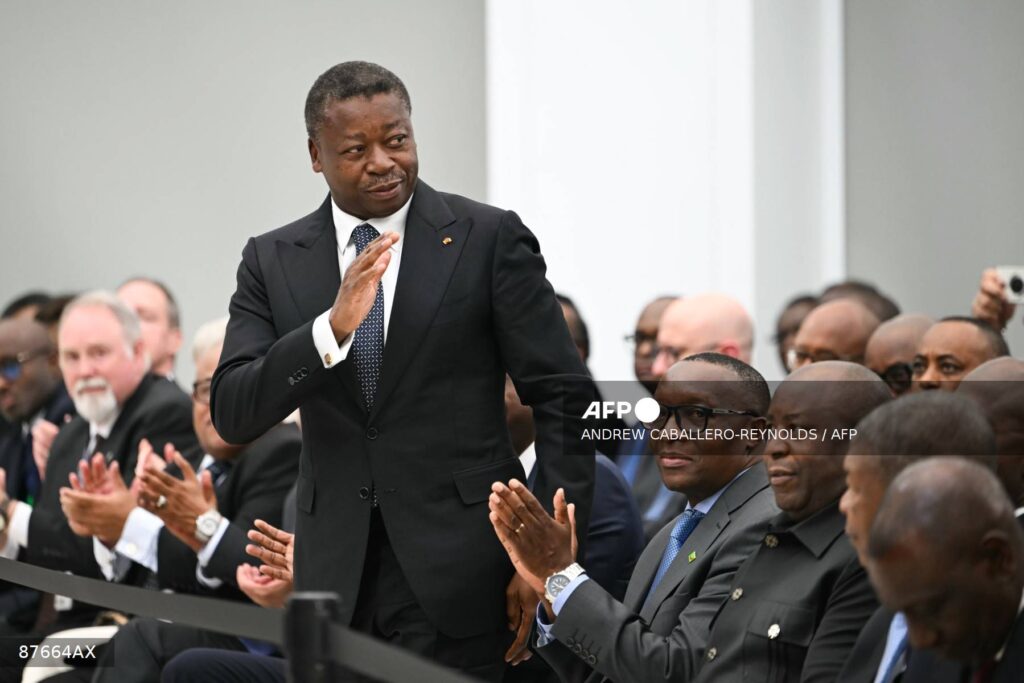
Togolese President Faure Gnassingbé has continued a careful balancing act, maintaining relations with Western partners while also engaging emerging Eastern allies, a posture observers describe as pragmatic neutrality in an increasingly competitive diplomatic environment.

A Togolese political analyst, Madi Djabakate, noted that Paris is now focused less on expansion and more on preventing further erosion of its historical influence in West Africa.

Russia, meanwhile, has advanced a growing security and infrastructure partnership with Togo, formalised through a defence cooperation framework signed in late 2025. The agreement includes military training support and expanded security cooperation aimed at addressing spillover violence from jihadist activity in northern border regions linked to Burkina Faso.

The arrangement is widely seen as part of Moscow’s broader effort to establish a strategic corridor toward the Gulf of Guinea, particularly through access to Togo’s deep-water Port of Lomé, one of the most important maritime assets in West Africa.

Beyond security cooperation, Russian officials have also proposed long-term infrastructure projects, including rail links connecting the port to inland Sahelian states and discussions around energy transport routes intended to improve regional trade access.

Soft-power initiatives have also accompanied Moscow’s engagement, including scholarship programs for Togolese students, plans for Russian language centres, and cultural exchange activities designed to deepen educational and societal ties.

In response, France has leaned on development assistance and institutional partnerships rather than military cooperation. Paris has announced funding for the modernisation of healthcare infrastructure, including upgrades to a major university teaching hospital, alongside investments in digital skills development through an artificial intelligence and computer science training hub.

French officials describe the approach as a focus on “concrete outcomes” aimed at strengthening long-term institutional capacity and economic development rather than competing directly in security agreements.

For Lomé, the intensifying rivalry presents both opportunity and risk. By engaging multiple global partners, Togo has positioned itself as a diplomatic hinge between competing blocs while leveraging its geography as a transit point for regional commerce.

Recent policy shifts, including expanded visa-free access for African travellers introduced in May 2026, are part of efforts to strengthen Togo’s role as a commercial and logistical hub in the Gulf of Guinea.

At the diplomatic level, the government continues to engage both sides actively. Parliamentary representatives have been dispatched to high-level Franco-African discussions in East Africa, while President Gnassingbé is also expected to attend a Russia-Africa summit in Moscow, signalling an ongoing commitment to maintaining balanced relations.

Observers say the situation in Togo reflects a broader transformation across West Africa, where traditional alliances are being reassessed amid shifting security realities and economic competition.

While France seeks to stabilise its historical influence through development partnerships, Russia is advancing a model combining security cooperation and infrastructure investment. Togo’s leadership, meanwhile, continues to navigate between both, extracting diplomatic and economic value from a rapidly evolving geopolitical landscape.

Continue Reading
Advertisement
Click to comment

Leave a Reply

Your email address will not be published.

Trending