
Latest
Gowon recalls painful betrayal by close ally during 1975 coup

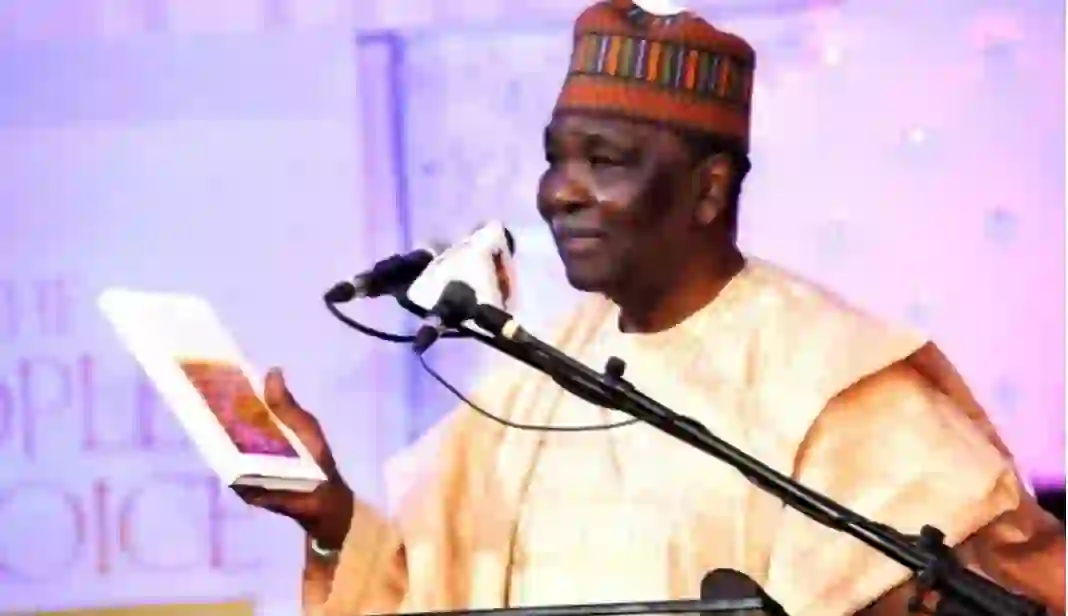
Former Nigerian Head of State, Yakubu Gowon, has revealed that one of his most trusted security aides, Joseph Garba, played a major role in the military coup that removed him from power in July 1975.
Gowon made the revelation in his newly released 859-page autobiography titled My Life of Duty and Allegiance, where he described the incident as the deepest personal betrayal of his public career.
According to the former Head of State, the overthrow was particularly painful because it was carried out by military officers he had personally trusted, elevated, and supported throughout his administration.
Gowon disclosed that Garba, who served as Commander of the Federal Guards Unit, had only days earlier denied any knowledge of a planned coup against his government.
The former military leader explained that before departing Nigeria for the Organisation of African Unity (OAU) summit in Kampala, Uganda, he had received intelligence warnings from his Chief Security Officer and head of the Special Branch, M.D. Yusuf.
According to Gowon, Yusuf informed him that certain military officers were plotting to overthrow his government and specifically identified Garba alongside Anthony Ochefu as key figures allegedly involved in the conspiracy.
The revelation, Gowon wrote, placed him in a difficult and deeply troubling position because Garba occupied one of the most sensitive security posts within the country’s military structure.
READ ALSO: Gowon reflects on 12-State restructuring, urges leaders to embrace unity
As Commander of the Federal Guards Unit, Garba was responsible for the direct protection of the Head of State and commanded the elite military formation tasked exclusively with ensuring the safety of Nigeria’s leader.
Gowon stated that he found it difficult to immediately act on the intelligence because of the close personal and professional relationship he shared with both officers.
He explained that Garba’s appointment to lead the Federal Guards was influenced not only by professional confidence but also by long-standing personal trust and regional connections.
“As commander of the Federal Guards, which is the elite entrusted with the responsibility of protecting the person of the Head of State, Garba was supposed to have unquestionable loyalty,” Gowon wrote in the autobiography.
“Not only did I intimately know both men, but I had also grown to like and trust them over the years. Coincidentally, both were Christians and from my original home state, Benue Plateau,” he added.
The former Head of State noted that Garba had personally reassured him that he knew nothing about any coup plans, assurances which later proved false after the military takeover succeeded in July 1975 while Gowon was attending the OAU summit abroad.
The coup eventually brought an end to Gowon’s nine-year rule and ushered in the administration of General Murtala Mohammed.
Gowon’s latest revelations are expected to renew public interest in one of the most significant political transitions in Nigeria’s military history, particularly regarding the internal power struggles and loyalties that shaped the country’s post-civil war era.
The autobiography also offers fresh insight into the emotional and political impact the overthrow had on Gowon, who portrayed the betrayal as one rooted not only in military ambition but also in broken personal trust among close associates.


-
 Latest6 days ago
Full List: Meet the 2026 Nobel Prize winners across six categories
-
 Football5 days ago
Premier League Matchweek 7: Five Fixtures That Could Shape the Weekend
-
 Latest5 days ago
Umahi defends Lagos-Calabar highway route changes amid public outcry
-

 Business4 days ago
Dangote Refinery IPO: 70% Subscription claim meets fourfold demand assertion as investors seek clarity
-
Business5 days ago
Dangote Refinery IPO Extension: Was the 70% subscription report overhyped?
-

 Latest3 days ago
UCTH faces morgue crisis as 50 unclaimed corpses await mass burial
-
 Featured5 days ago
El-Rufai, ADC governorship candidate’s court appearance puts Kaduna opposition politics in focus
-

 Business3 days ago
BREAKING: Nigeria’s Inflation Rate Drops to 14.63% in September