
Health & Fitness
Grown-ups have no business eating bread, Kelechi Deca warns (Video)

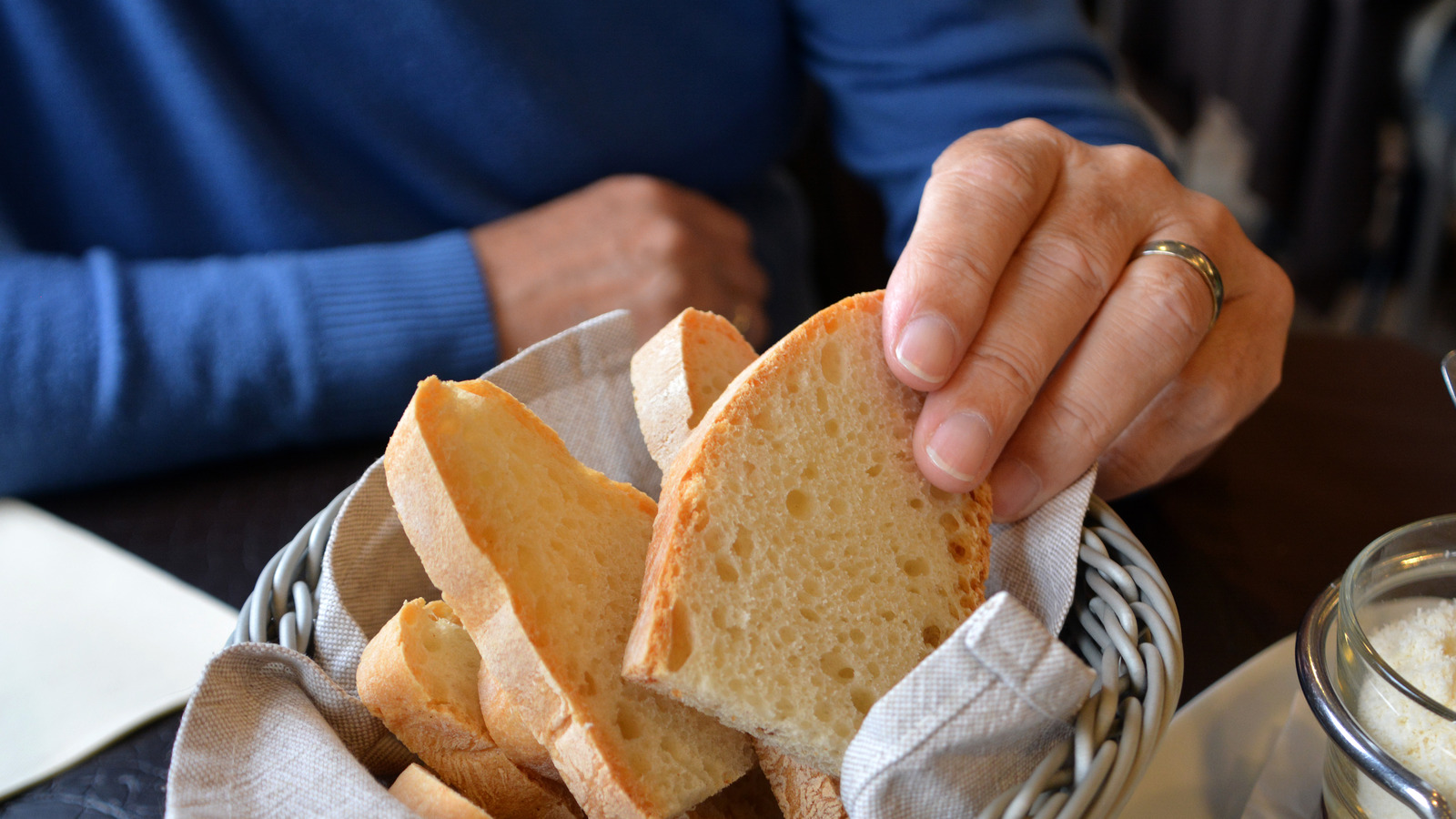
Kelechi Deca-Anyanwu, a seasoned journalist and Africa analyst has warned that adults should significantly reduce their bread consumption, arguing that modern wheat products may contribute to several long-term health problems, including inflammation and infertility.
Speaking during a health discussion, Kelechi Deca claimed that today’s bread is far different from what previous generations consumed, alleging that changes made to wheat production since the 1960s have reduced its nutritional value while increasing potential health risks.
According to him, wheat underwent extensive genetic modification over the decades to improve crop yields and commercial production. However, the process allegedly removed key natural nutrients such as bran and fiber that once made wheat healthier for human consumption.
He argued that the drive for “bigger yields” in wheat farming may have come at the expense of public health.
“Grown-up men and women have no business eating bread regularly if they want to live long,” the expert stated. “The wheat people consume today is not the same as what our grandparents ate.”
The health advocate further linked excessive bread intake to inflammation-related conditions, claiming that many modern illnesses are connected to dietary habits.
He noted that ailments such as asthma and arthritis are increasingly associated with inflammation in the body and suggested that processed bread products could act as triggers.
READ ALSO: Viral health claims trigger debate on safety of bread ingredients
“Asthma is not just a lung problem; it is an inflammation problem, just like arthritis,” he said. “One of the major triggers for inflammation is bread.”
Using his personal experience as an example, he explained how his family gradually reduced bread consumption over time. He recounted that his household once consumed as many as three loaves daily, especially due to the attraction of freshly baked bread from local bakeries.
However, after becoming concerned about the potential health implications, the family reportedly cut back from three loaves a day to two, then to one, and eventually to only one loaf every one or two weeks.
He described bread as “one of the most poisonous things” people could consume excessively, urging families to rethink their eating habits and embrace healthier alternatives.
He also raised concerns about studies allegedly linking high bread consumption to fertility problems, warning parents against making processed bread a staple food for children.
“Studies have shown that bread consumption is connected to infertility,” he claimed. “Imagine loading children with bread every day and then wondering about the future.”


-

 Business1 week ago
Dangote Refinery IPO: 70% Subscription claim meets fourfold demand assertion as investors seek clarity
-

 Featured4 days ago
Inside INEC’s race to prepare for Nigeria’s 2027 elections
-

 Featured5 days ago
2027: APC unveils nationwide campaign timetable, Tinubu to rally in 12 states
-

 Latest7 days ago
UCTH faces morgue crisis as 50 unclaimed corpses await mass burial
-

 Aviation1 week ago
Germany opens online application route for student, EU Blue Card and other long-stay visas
-

 Business7 days ago
BREAKING: Nigeria’s Inflation Rate Drops to 14.63% in September
-

 Business6 days ago
President Tinubu and the Low Transport Fares Fiasco
-

 Business5 days ago
Court dismisses ₦170m Trade Fair contract claim, says Zenith Bank was not a party