
Lifestyle
High levels of weed killer found in human sperm samples, study finds

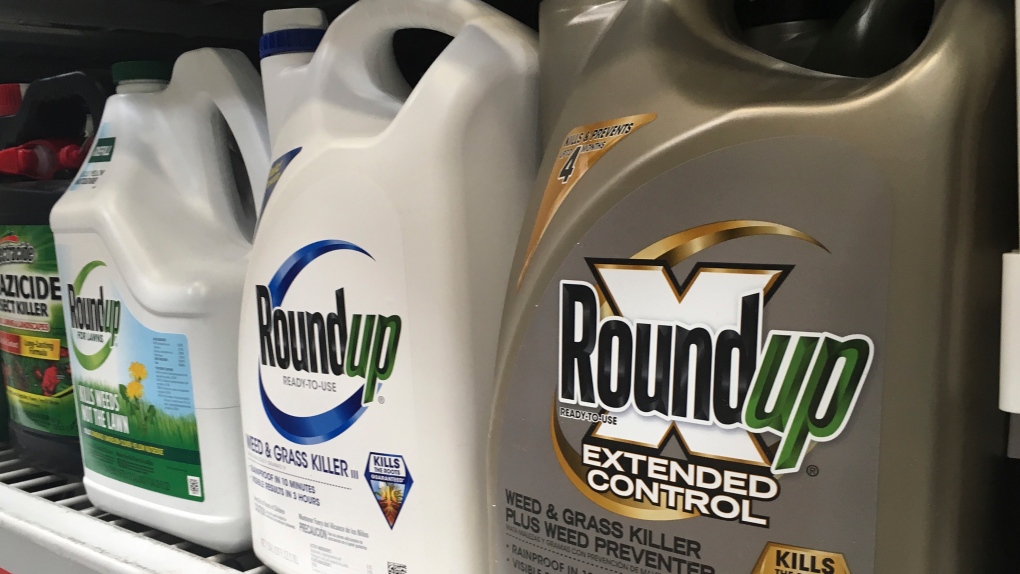
More than 55% of sperm samples from a French infertility clinic contained high levels of glyphosate, the world’s most common weed killer, raising further questions about the chemical’s impact on reproductive health and overall safety, a new study found.
The new research also found evidence of impacts on DNA and a correlation between glyphosate levels and oxidative stress on seminal plasma, suggesting significant impacts on fertility and reproductive health.
“Taken together, our results suggest a negative impact of glyphosate on human reproductive health and possibly on progeny,” the authors wrote.
The paper comes as researchers look for answers to why global fertility rates are dropping, and many suspect exposure to toxic chemicals like glyphosate is a significant driver of the decline.
READ ALSO: Group hails Mexico over ban on GMO corn, glyphosate weed killer
Glyphosate is used on a wide range of food crops and in residential settings in the US. The most popular glyphosate-based product is Monsanto’s Roundup weed killer, which has been at the center of legal and regulatory battles in recent years. US government research from 2023 found genotoxicity in farmers with high levels of the herbicide in their blood, suggesting an association between it and cancer.
In December, a group of top US public health advocacy groups petitioned the Environmental Protection Agency to ban the product, though its defenders have said there is no definitive proof of its toxicity to humans. Still, dozens of countries have banned or restricted its use.
The levels French researchers found in sperm were four times higher than in the men’s blood, which the authors wrote is the first time the comparison had been made. They called the finding “worrying”, and it suggests the chemical is particularly dangerous for reproductive systems.
READ ALSO: EPA allows highly toxic weed killer on food crops — but not golf courses
Oxidative stress “is considered to be one of the most important factors in male fertility by regulating the vitality and functionality of mammalian spermatozoa”, the authors wrote, and they found a “significant positive correlation” between stress and glyphosate levels.
Agricultural workers recorded the highest glyphosate levels, and 96% of farmers included in the study had at least some. A landscaper also showed among the highest levels, and smokers typically had elevated levels much higher than those who did not smoke. Eating organic produce did not have a clear impact on levels.
The study’s authors wrote it “would be wise for regulators to apply a precautionary principle” in regulation, which means erring on the side of caution to protect human health until further research can be done to confirm the problems identified in the study.


-

 Featured4 days ago
BREAKING NEWS: Shouts of joy rock the world as Pastor Chris opens final Healing Streams edition for 2026
-

 Football4 days ago
Man United shortlist Emery, Nagelsmann as potential replacements for Carrick
-

 Business4 days ago
Hoodlums raid JED Benue office, abduct 10 staff over power dispute
-

 Football4 days ago
Aston Villa ready to freeze out Garnacho to avoid £43m Chelsea transfer
-

 Business1 week ago
Naira faces exchange rate gap as Dollar hits N1,380 on parallel market
-

 Latest4 days ago
Akpabio tasks Tompolo-backed movement with spreading Tinubu’s renewed hope message
-

 Business4 days ago
EV adoption: Roxettes seeks cheaper financing, local manufacturing incentives
-

 Business3 days ago
How Ethiopian Airlines is challenging Africa’s aviation narrative through self-reliance