
Business
How President Buhari is killing businesses in Nigeria – Peterside

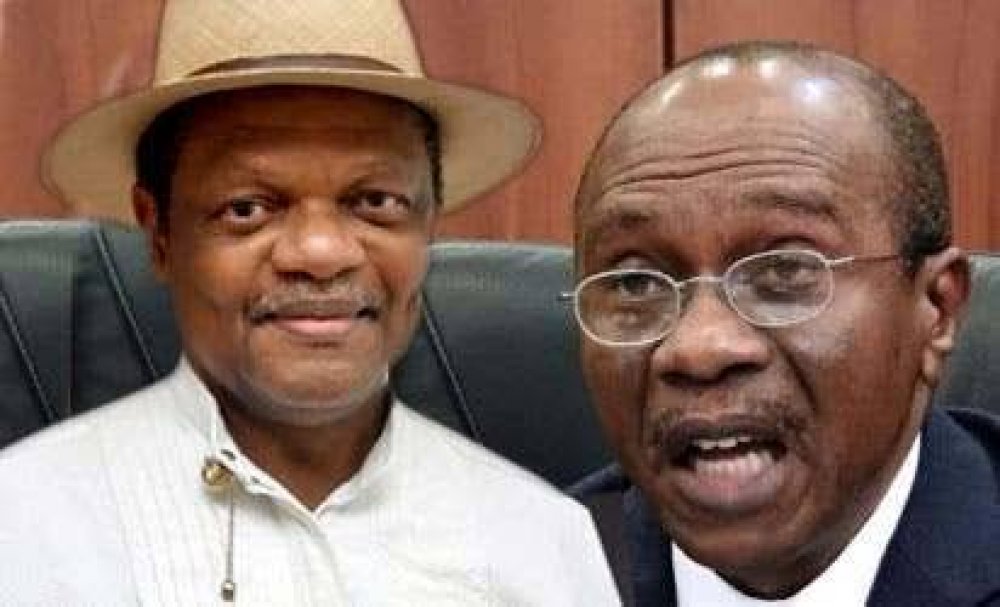
The founder of Stanbic IBTC, Atedo Peterside, says President Muhamadu Buhari is creating financial burden for businesses in Nigeria with his economic policies
Using Cadbury (which he headed in 2019) as an example of a corporate body that suffered from Buhari’s policy, he said a sudden land border closure in 2019 came at a horrendous loss, as transportation of its goods from Ghana to Nigeria switched to port, which negatively impacted its business expenses.
“I will give just two examples of government policies that would have hampered some businesses or destroyed some businesses. One, when they closed the land borders, many people who were exporting or importing legitimately across the land borders found that their activities were no longer viable.
“I was the chairman of Cadbury, we were importing hot chocolate from Ghana. The factory there is big enough to supply the whole of West Africa.
READ ALSO: Stop wasting money on non-profitable refinery, Peterside urges FG
“When Nigeria closed the border, if you compare the cost of putting hot chocolate on the truck in Accra driving straight to Ikeja through the borders versus taking that same product to Tema onto a ship, incur demurrage, wait, take it to Apapa, queue up to clear the goods, all the congestion, by the time they get to the factory gates in Ikeja, your cost are horrendous, hee told Arise TV on Tuesday.
President Buhari had said the closure was meant to send a warning to neighbouring countries not taking border security seriously, however, the decision backfired on Nigerians.
Peterside said Twitter had managed to level the playing field for small scale enterprises in the business environment, helping them gain exposure and increase sales, but President Buhari eroded this by trying to stop Jack Dorsey’s social networking platform from operating in Nigeria.
The investor said corporations could afford to take their products for marketing at traditional media like broadcast and print, but SMEs were not financially buoyant to do the same, hence, the policy knocked out their sales volume.
“The second one, the Twitter ban. Do you know how many small and medium scale enterprises that use Twitter as a medium for free advertising?
“They don’t have the money to advertise their products on Arise TV or This Day Newspaper, but they could put out their products on Twitter. So the Federal Government comes, destroys their free advert medium, thereby, hampering their sales.
“A multinational can use other channels to advertise, the small scale channel needed that free channel. So I’m just giving examples as to how the government can destroy it.” Peterside said.


-
 Featured5 days ago
Inside INEC’s race to prepare for Nigeria’s 2027 elections
-
 Featured6 days ago
2027: APC unveils nationwide campaign timetable, Tinubu to rally in 12 states
-

 Latest1 week ago
UCTH faces morgue crisis as 50 unclaimed corpses await mass burial
-

 Business7 days ago
President Tinubu and the Low Transport Fares Fiasco
-
 Business1 week ago
BREAKING: Nigeria’s Inflation Rate Drops to 14.63% in September
-
 Latest7 days ago
Global excitement builds as Healing Streams Live Services returns October 23
-
 Business6 days ago
Court dismisses ₦170m Trade Fair contract claim, says Zenith Bank was not a party
-
 Business3 days ago
Naira faces exchange rate gap as Dollar hits N1,380 on parallel market