
ICT
Investors are scared to invest in Nigeria’s telecom sector, stakeholders lament

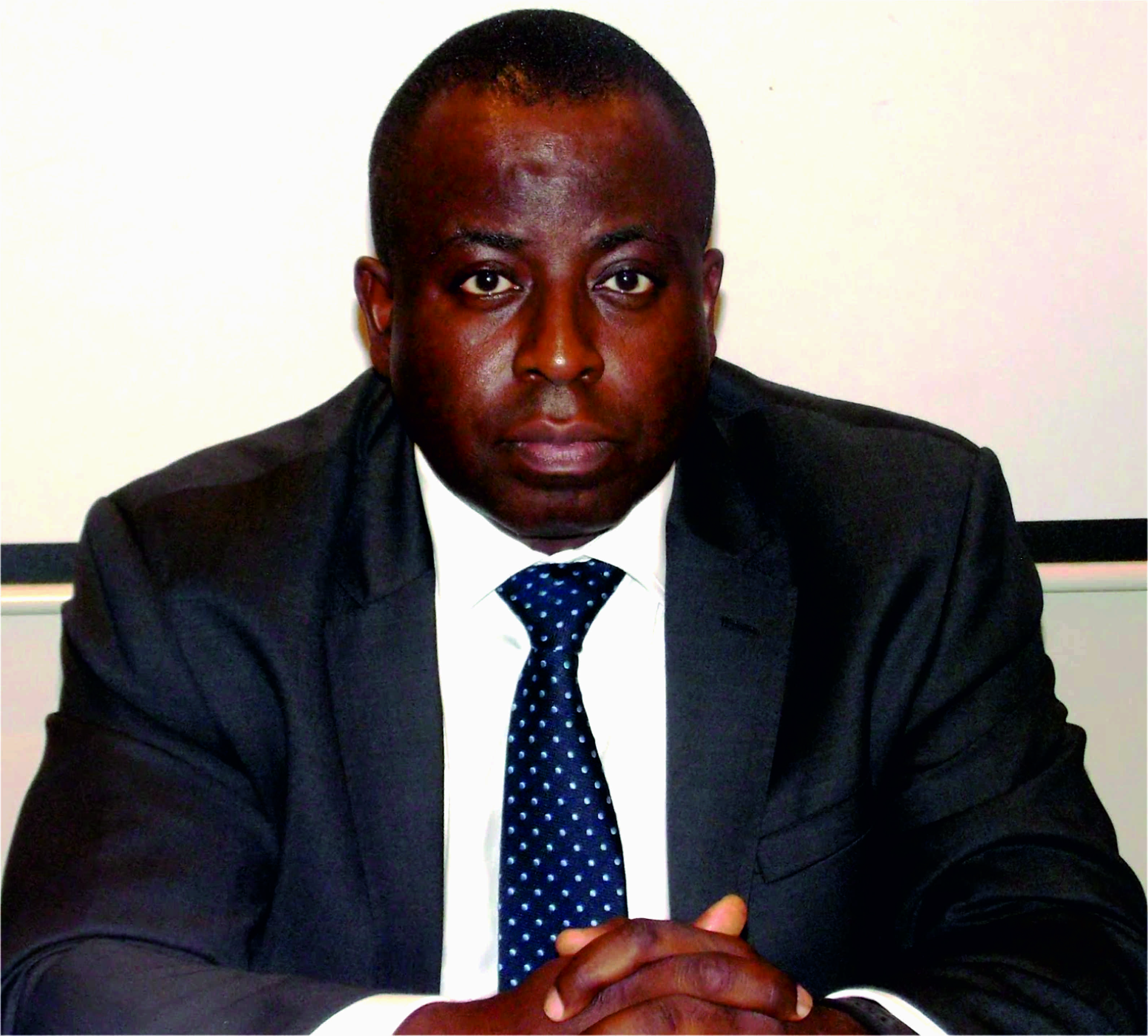
Telecommunications stakeholders have expressed worries over lack of investment in the country’s telecommunications space which has resulted in poor coverage as well as quality of service.
Engr. Samuel Adeleke, managing director, Steineng Ltd, attributed the situation to lack of new areas of focus for operators that will ignite mass subscription.
“As an operator in the market, I’m unwilling to invest in the telecom space because of the present climate. Mobile operators are behaving as if the market is saturated; they are looking at bulk of the population in the urban areas that have been covered and turning away from potential 80% of rural dwellers that are yet to be penetrated.
“There is no urge for them to invest in providing coverage to 80% rural dwellers that are unpenetrated like they are investing in providing services to the financial sector, instead operators are busy upgrading their networks from 3G to 4G not making available data for the technology,” he said.
He berated mobile operators for not doing enough to develop data segment of their services. “What will drive the next economy is data, but operators are frustrating the impending data revolution through capping of data service to subscribers. They don’t allow subscribers unlimited data service, it is a case of a very wide good road and they are given tricycle to ride on it.
“They need to increase capacity reduce access rate and increase access, this will make subscribers addicted to the service and use more. Profitability is economy of scale,” he explained.
Reacting, Engr. Olusola Teniola, president, Association of Telecommunications Companies of Nigeria (ATCON) said: “The ease of doing business is not quite there and there is still a lot of work to be done by government before investors that are wary and afraid of having their investments threatened will regain the trust of placing further investments in this industry.
“Incidents like Etisalat, MTN and the many challenges that current investors are going through will play on the minds of would be potential investors. With this being an election year, data from NBS reflects the caution that investors’ sentiment has towards Nigeria, with private finance initiative (PFI) and FDI flows ebbing.
“Taking a sunny day scenario, a delay of two months post elections, means that any serious funds in support of CAPEX programmes for Q1 2019 will come into the industry by Q2 2019 at the earliest, with a reality that as far as private sector funding is concerned, the focus is for densification of current deployed networks for increased capacity on the back of increased consumer demand, which meets their return on investment (ROI) expectations.
“Anything over and above this will be government driven using a PPP model (such as the infraco model for Open Access) to reach the rural areas or where ROI is deemed unachievable,” he said.


-

 Featured6 days ago
Inside INEC’s race to prepare for Nigeria’s 2027 elections
-

 Featured6 days ago
2027: APC unveils nationwide campaign timetable, Tinubu to rally in 12 states
-

 Latest1 week ago
UCTH faces morgue crisis as 50 unclaimed corpses await mass burial
-

 Latest7 days ago
Global excitement builds as Healing Streams Live Services returns October 23
-

 Business7 days ago
President Tinubu and the Low Transport Fares Fiasco
-

 Business1 week ago
BREAKING: Nigeria’s Inflation Rate Drops to 14.63% in September
-
 Business6 days ago
Court dismisses ₦170m Trade Fair contract claim, says Zenith Bank was not a party
-

 Business3 days ago
Naira faces exchange rate gap as Dollar hits N1,380 on parallel market