
Business
Investors seek for clearer FX rules, advice CBN on full devaluation

By Odunewu Segun
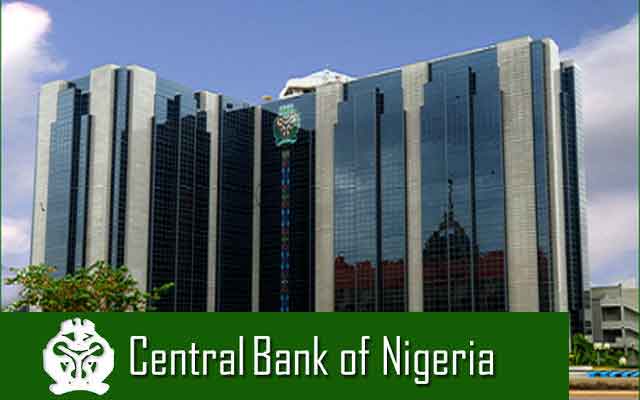
Investors have described Nigeria’s latest efforts to tweak its exchange rate policy as another bungled attempt by the Central Bank of Nigeria to avoid a much-needed bold devaluation, National Daily has gathered.
Recall that the Central Bank of Nigeria last announced a new foreign exchange policy which devalued the naira for private individuals by offering them dollars at a rate of N366, instead of the official the N305 rate.
Under the latest rules, Nigerians wanting dollars for travel or to pay foreign school fees could buy at nearly 20 percent above the official rate, effectively devaluing the naira for private individuals. Priority allocation no longer goes to manufacturers.
On Tuesday it sold dollars at forward exchange rates up to 15 percent weaker than the official rate. The move may cement expectations for the central bank to allow the naira to trade at a weaker level in the future. Yet on Wednesday, the bank intervened on currency markets at 304.5 per dollar.
Speaking on the CBN’s decision, a senior economist at NKC African Economics in Johannesburg, Cobus de Hart said the CBN’s policies are not clear and they continue to confuse investors.
Also some parallel market traders who spoke with National Daily said they were struggling to understand the new rules, especially when showing quotes to foreign investors looking to buy Nigerian bonds.
“I don’t have flexibility on the rates anymore because various markets on the interbank have different rates … This is not the devaluation we have been waiting for,” Sadiq Abubakar, one of the traders at the Murtala Muhammed International Airport disclosed.
“Though liquidity is improving … I don’t think we have overcome the liquidity challenge completely,” he added
Nigeria’s decision to freeze the naira has already caused a lot of woes. JPMorgan announced in 2015 it would cut Abuja’s debt from its influential bond index. Factories had to shut down, unable to import raw materials and machinery due to the lack of hard currency.
Yet authorities also managed to rebuild reserves, which hit the highest level in 19 months in February, providing a window of opportunity for a bolder move.
Others say half-hearted policy moves will erode the already low levels of trust in Nigeria’s central bank, especially after it failed to make good on last year’s pledges to introduce market-based exchange rates.
“Nigeria theoretically floated the currency last summer and yet it didn’t actually float so investors got burned,” said Charlie Robertson at Renaissance Capital.












-

 Business1 week ago
Dangote Refinery IPO: 70% Subscription claim meets fourfold demand assertion as investors seek clarity
-
 Featured4 days ago
Inside INEC’s race to prepare for Nigeria’s 2027 elections
-
Business1 week ago
Dangote Refinery IPO Extension: Was the 70% subscription report overhyped?
-

 Latest6 days ago
UCTH faces morgue crisis as 50 unclaimed corpses await mass burial
-

 Featured4 days ago
2027: APC unveils nationwide campaign timetable, Tinubu to rally in 12 states
-

 Business6 days ago
BREAKING: Nigeria’s Inflation Rate Drops to 14.63% in September
-

 Aviation1 week ago
Germany opens online application route for student, EU Blue Card and other long-stay visas
-
 Business4 days ago
Court dismisses ₦170m Trade Fair contract claim, says Zenith Bank was not a party