
Energy
IPMAN rejects scrapping of Petroleum Equalisation Fund

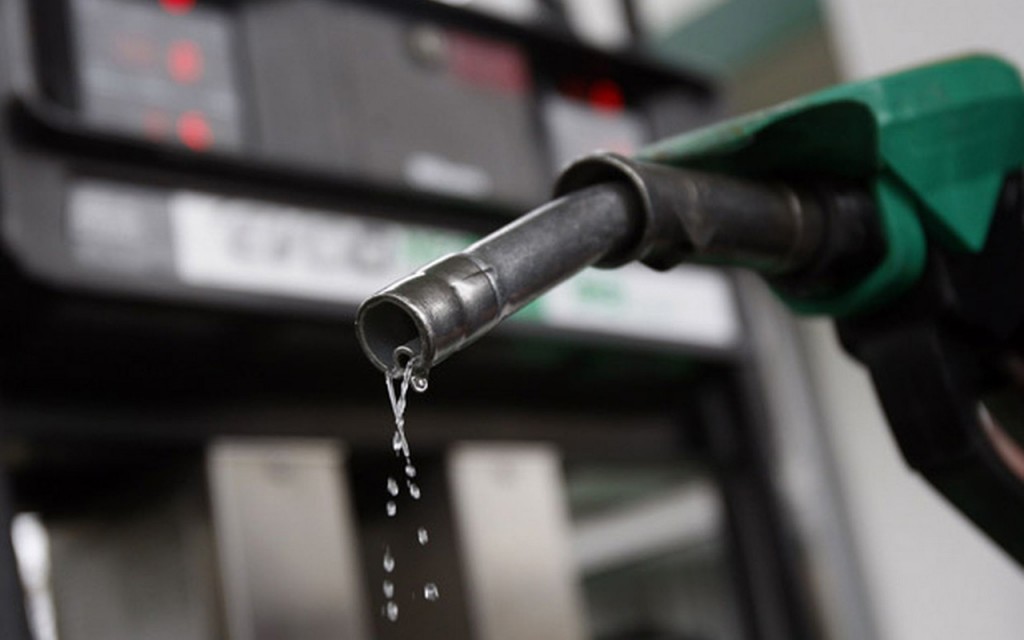
The Independent Petroleum Marketers Association of Nigeria (IPMAN) has rejected the proposed scrapping of the Petroleum Equalisation Fund (PEF), asserting that it fosters national unity.
IPMAN’s President, Mr Chinedu Okoronkwo, told the News Agency of Nigeria (NAN) on Tuesday in Lagos that PEF was very relevant as the country was progressing towards the full deregulation of the petroleum downstream sector.
NAN reports that PEF was set up by Decree 9 of 1975 (as amended by Decree Number 32 of 1989 now chapter 352 of the Laws of the Federation).
Its main function is to ensure price uniformity of petroleum products via the reimbursement of marketers for losses they incur in trucking products from depots to their filling stations anywhere in Nigeria.
Okoronkwo faulted the recommendations from some stakeholders that the PEF should be scrapped in the draft of the Petroleum Industry Bill currently before the National Assembly.
He noted that this was uncalled for as the funds employed in making the PEF work effectively were sourced from the revenue pool, generated by the Product Marketing Companies.
Okoronkwo said: “PEF are fund managers and they manage our money. Government is not giving them money in any way and what they are working with is marketers’ money.
“In order to unite the country, there must be semblance of uniformity in prices of petroleum products all over.
“For instance, the price you buy a particular soft drink is the same all over the country and that is internal equalisation by the companies.
”So, we believe PEF is very relevant and they should continue to do this for us. We are not saying that there should not be a difference in prices but it should be minimal. “
He also urged the government to create a level playing field in the downstream sector by providing foreign exchange for marketers to import fuel at the same rate given to the Nigerian National Petroleum Corporation.
Okoronkwo said: “We are saying that marketers should be allowed to go out and bring in petrol instead of only NNPC importing the product.
“This will encourage competition and drive the price down. There are many areas that cost can go down when we are allowed to import.
“Some marketers already have their own vessels which may reduce the freight cost. What we want is for government to allow the full deregulation of the sector and allow market forces to determine the price.”


-
 Latest1 week ago
Full List: Meet the 2026 Nobel Prize winners across six categories
-

 Football1 week ago
Premier League Matchweek 7: Five Fixtures That Could Shape the Weekend
-
 Business6 days ago
Dangote Refinery IPO: 70% Subscription claim meets fourfold demand assertion as investors seek clarity
-

 Latest7 days ago
Umahi defends Lagos-Calabar highway route changes amid public outcry
-
Business7 days ago
Dangote Refinery IPO Extension: Was the 70% subscription report overhyped?
-

 Latest5 days ago
UCTH faces morgue crisis as 50 unclaimed corpses await mass burial
-
 Featured2 days ago
Inside INEC’s race to prepare for Nigeria’s 2027 elections
-
 Business4 days ago
BREAKING: Nigeria’s Inflation Rate Drops to 14.63% in September