
Business
More troubles for Nigeria’s economy, says IMF

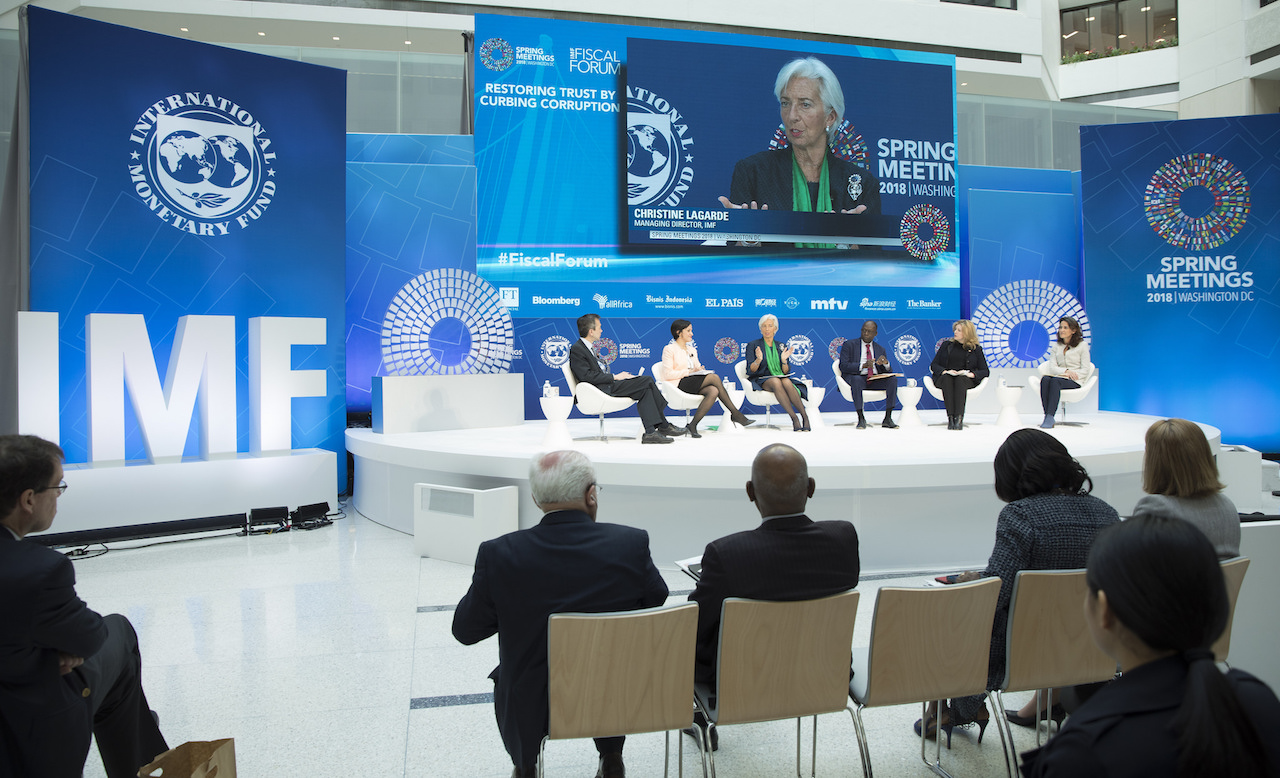
The International Monetary Fund, IMF, says Nigeria’s inflation rate could rise sharply to 13.5% as the country prepares for the 2019 general elections.
Gian Maurice Obstfeld, IMF’s Director of Research Department who disclosed this on Wednesday during the unveiling of IMF’s World Economic Outlook in Indonesia, said in Nigeria, inflation is projected to fall to 12.4 per cent in 2018, from 16.5 per cent in 2017, and rise to 13.5 per cent in 2019.
The Bretton Wood Institution had earlier estimated that the inflation rate in Nigeria would drop to 12.4% in 2018, from 16.5% in 2017.
Certainly, the Nigerian economy is really struggling, as both IMF and the World Bank have also cut down on their economic growth projections for the Nigerian economy in 2018. Also, putting into consideration the fact that inflation rate has just dropped for the first time in 18 months in August.
According to the National Bureau of Statistics (NBS), the inflation rate in Nigeria rose to 11.23% year-on-year in August 2018, which is 0.09% higher than the recorded rate in July (11.14%). Inflation rate also increased by 1.05% on a month-on-month basis, during the period.
The Nigerian economy experienced eighteen consecutive months of disinflation from January 2017, before inflation rate finally fell in August 2018.
Core inflation stood at 10.00% and decreased by 0.2% in the month of August from 10.2% recorded in July. On a month on month basis, it rose by 0.78% in the period under review. It was down by 0.03% when compared with 0.81% recorded in July.
The Composite Food Index (food inflation) rose by 13.16% during the period under review, compared to 12.85% in July 2018. The figure shows food inflation has increased on year on year basis, for the first time in ten months. The reduction was caused by the increase in prices of potatoes, yam and other tubers, fish, bread, fish, Oil and fats, vegetables and fruits.
For investors, rising inflation means higher yields on treasury bills and other government securities. For select borrowers, the rise in inflation, in theory, should lead to higher rates.
.


-

 Featured2 days ago
BREAKING NEWS: Shouts of joy rock the world as Pastor Chris opens final Healing Streams edition for 2026
-
 Business6 days ago
Naira faces exchange rate gap as Dollar hits N1,380 on parallel market
-

 Football3 days ago
Man United shortlist Emery, Nagelsmann as potential replacements for Carrick
-

 Business2 days ago
Hoodlums raid JED Benue office, abduct 10 staff over power dispute
-

 Football3 days ago
Aston Villa ready to freeze out Garnacho to avoid £43m Chelsea transfer
-

 Business3 days ago
EV adoption: Roxettes seeks cheaper financing, local manufacturing incentives
-

 Business1 week ago
NCC launches Internet Governance Working Group to tackle AI risks, boost online safety
-

 Latest2 days ago
Akpabio tasks Tompolo-backed movement with spreading Tinubu’s renewed hope message