
Featured
NAFDAC reveals dangerous baby foods, cereals now on market

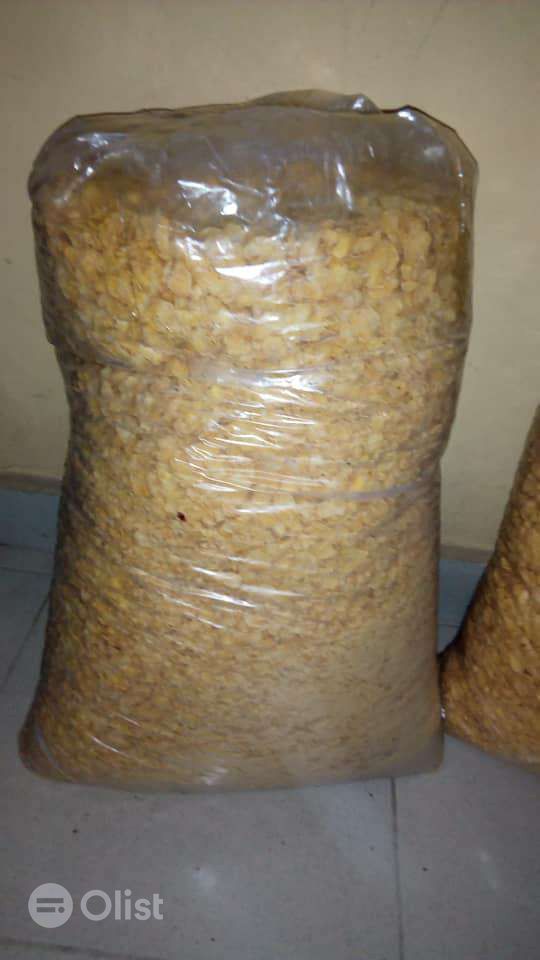
The National Agency for Food and Drug Administration and Control (NAFDAC) has warned the public against purchasing cereal or other products that have been removed from their primary packaging so as not to jeopardise their health.
Prof. Mojisola Adeyeye, NAFDAC Director-General, gave the warning during a news briefing on Friday in Lagos.
Adeyeye said that the agency was pained because infants and children were the targets and the ultimate victims of such wicked and evil activities.
According to her, the agency is conducting raid operations with success recorded in the area of forfeiture of unwholesome processed cereals, beverages, and dairy products.
She added that this was in order to deal with the incidence of food fraud.
“In the nationwide raid which commenced in July 2021, seven trucks conveying 4,578 cartons of various unlabelled, transparent nylon packed cereals worth over 60 million naira were confiscated by the agency.
“The sources of these various falsely packed cereals and dairy products cannot be verified and, therefore, NAFDAC cannot guarantee the safety of the products for consumption.
“During one of our operations, a suspect declared that the CocoPops, CornFlakes and Oats being displayed for sale in transparent nylons were sourced from LAWMA waste disposal trucks before repackaging into transparent nylons,” she said.


-

 Featured6 days ago
Inside INEC’s race to prepare for Nigeria’s 2027 elections
-

 Featured6 days ago
2027: APC unveils nationwide campaign timetable, Tinubu to rally in 12 states
-

 Latest1 week ago
UCTH faces morgue crisis as 50 unclaimed corpses await mass burial
-

 Latest7 days ago
Global excitement builds as Healing Streams Live Services returns October 23
-

 Business7 days ago
President Tinubu and the Low Transport Fares Fiasco
-
 Business1 week ago
BREAKING: Nigeria’s Inflation Rate Drops to 14.63% in September
-
 Business6 days ago
Court dismisses ₦170m Trade Fair contract claim, says Zenith Bank was not a party
-
 Business3 days ago
Naira faces exchange rate gap as Dollar hits N1,380 on parallel market