
Business
NERC’s deregulation spurs rising costs, deepens metering crisis

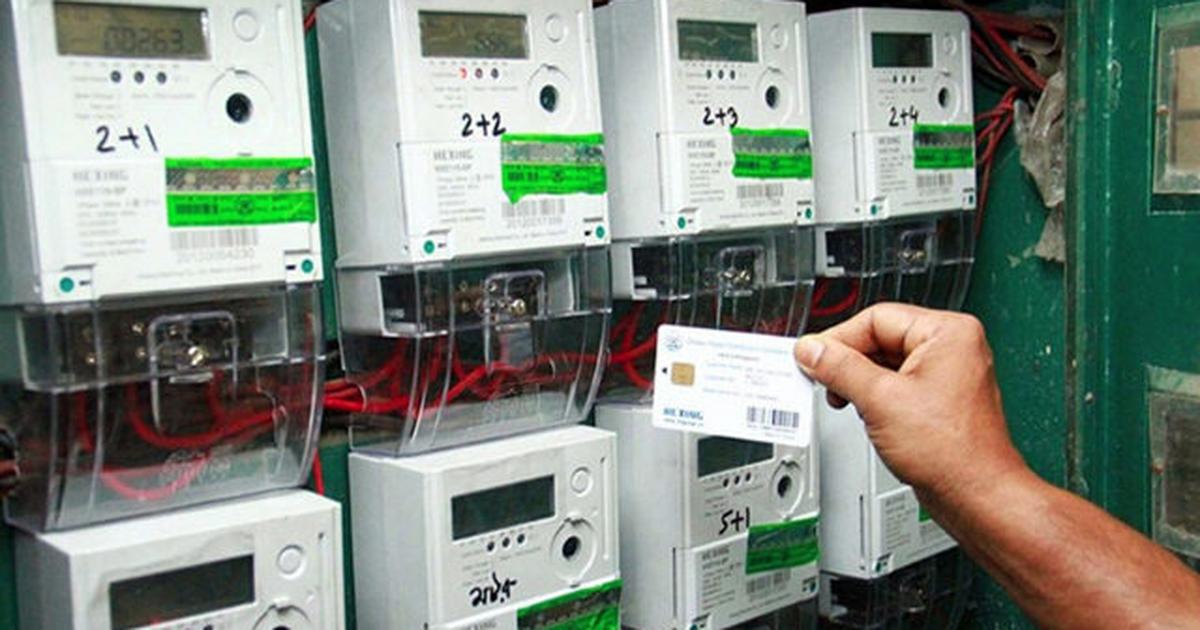
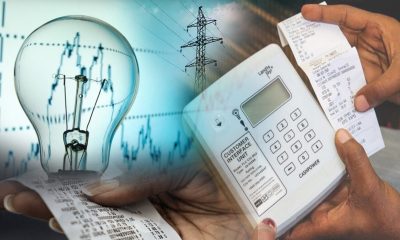
The Nigerian Electricity Regulatory Commission’s (NERC) deregulation of Meter Asset Providers (MAP) was seen as a solution to the country’s metering gap crisis.
However, the deregulation has led to a significant increase in prepaid meter prices, compounding the burden on Nigerian households.
The cost of meters has skyrocketed from about N80,000 to over N200,000 in just a year, making the escape from estimated billing increasingly difficult.
NERC’s policy, introduced four months ago, aimed to empower customers by allowing them to buy meters from any approved vendor, moving away from reliance on DisCos.
Yet, this has resulted in higher meter prices due to economic conditions and inflation.
READ ALSO: Reps direct NERC to revert to old electricity tariff for Band A
According to the National Bureau of Statistics, the number of customers on estimated billing has risen by 10%, with over 6.4 million households affected as of Q1 2024.
DisCos have announced new prices for meters, with none below N100,000. Prices vary across the country, with Abuja DisCo charging between N105,000 to N131,000 for a single-phase meter and up to N220,000 for a three-phase meter. Other DisCos show similar price hikes, with costs reaching up to N247,000.
Nigerians, already struggling with inflation and rising living costs, are frustrated by the price hikes. Many are questioning the feasibility of obtaining prepaid meters under these conditions.
Energy experts warn that deregulating the MAP scheme may not alleviate the challenges in the power sector, with affordability remaining a critical concern.
Despite the government’s goal to eliminate estimated billing by the end of the year, rising meter prices and economic instability threaten the success of this policy.
Lawyer and energy expert Nonso Ikechukwu warns that such a strategy could place a further strain on consumers. “For most Nigerians, higher tariffs are simply unaffordable,” Ikechukwu states.
“If meter prices continue to climb, it’s hard to see how this policy will succeed,” Ikechukwu adds, questioning whether the measures will actually ease the burden on ordinary citizens.










-
 Featured5 days ago
Inside INEC’s race to prepare for Nigeria’s 2027 elections
-
 Featured5 days ago
2027: APC unveils nationwide campaign timetable, Tinubu to rally in 12 states
-

 Latest1 week ago
UCTH faces morgue crisis as 50 unclaimed corpses await mass burial
-

 Business7 days ago
President Tinubu and the Low Transport Fares Fiasco
-

 Business1 week ago
BREAKING: Nigeria’s Inflation Rate Drops to 14.63% in September
-
 Business5 days ago
Court dismisses ₦170m Trade Fair contract claim, says Zenith Bank was not a party
-
 Business3 days ago
Naira faces exchange rate gap as Dollar hits N1,380 on parallel market
-
 Latest6 days ago
Global excitement builds as Healing Streams Live Services returns October 23