
Latest
New study links cellphone radiation to brain cancer, challenges WHO findings

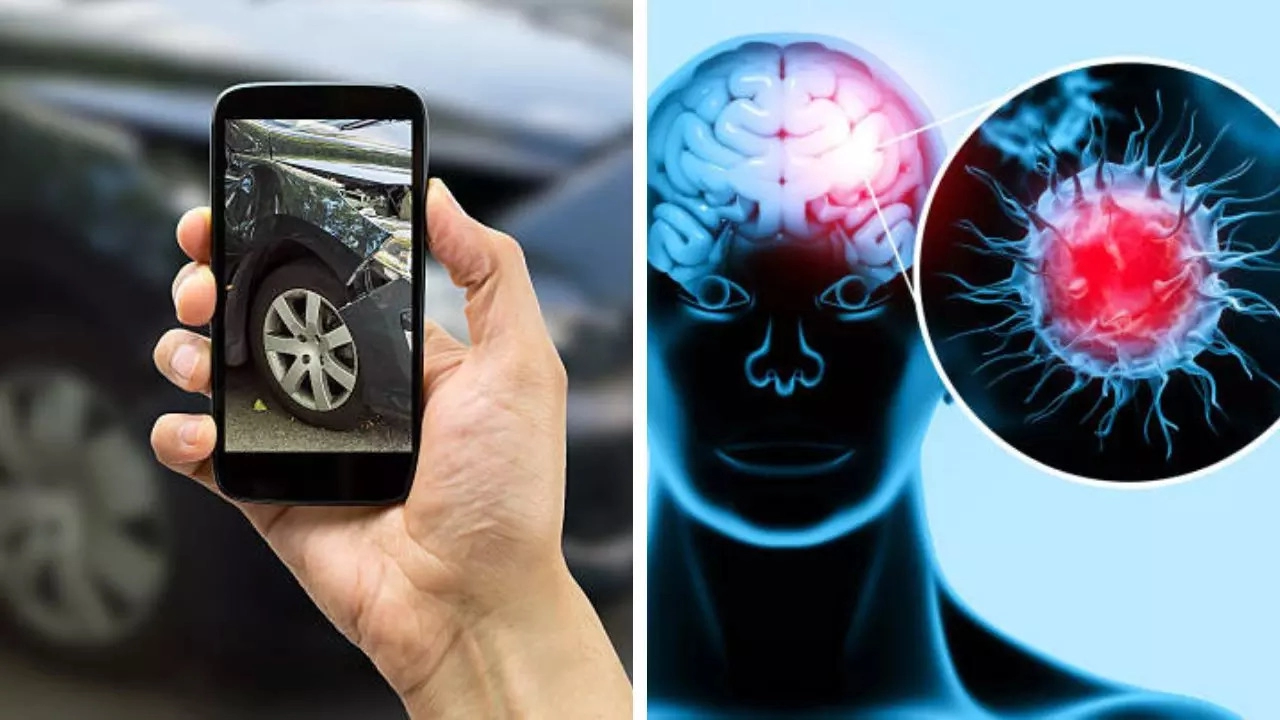
A new peer-reviewed study from South Korea has found a significant link between cellphone radiation and an increased risk of brain cancer, directly contradicting a recent World Health Organization (WHO)-led study that dismissed any such connection.
Published on October 10 in Environmental Health, the South Korean study analyzed 24 previous studies and concluded that heavy, long-term cell phone use increases the risk of malignant brain tumors, including meningioma and glioma, particularly on the side of the head where cellphones are held.
This study adds to growing evidence that cellphone radiation poses a potential health risk, bringing the total number of meta-analyses since 2016 linking radiation to brain cancer to seven, according to Joel Moskowitz, Ph.D., a leading expert on wireless technology and public health.
Moskowitz, who directs the Center for Family and Community Health at UC Berkeley, criticized the WHO’s recent review, stating that these seven studies clearly contradict its findings.
READ ALSO: Man develops severe heart problems after new 5G tower radiation
Miriam Eckenfels-Garcia, director of Children’s Health Defense’s Electromagnetic Radiation & Wireless program, echoed these concerns, urging the WHO to reconsider its stance.
She warned that ignoring the accumulating evidence could put the public at risk, noting that regulatory bodies often dismiss non-industry-friendly science as misinformation.
The South Korean findings have drawn attention from global experts like Lennart Hardell, M.D., Ph.D., an oncologist who has published extensively on wireless radiation. Hardell described the WHO’s review process as “fraudulent,” accusing its authors of bias and lack of ethical responsibility.
He emphasized that the WHO’s conclusions could potentially greenlight further cellphone technology rollout without adequate safety measures.
The study was published at a time when new health data from Denmark also showed a rise in central nervous system tumors, including brain tumors. According to Mona Nilsson, co-founder of the Swedish Radiation Protection Foundation, Denmark’s high-quality cancer tracking system revealed that brain tumors have increased significantly between 2014 and 2023.
This trend contradicts claims that brain cancer rates remain stable, a key argument used to downplay the risks of cellphone radiation.
Research from other parts of the world also supports these concerns. A global study on brain cancer rates between 1990 and 2019 revealed a marked increase in cases, particularly in Western countries.
Although the U.S. National Cancer Institute reports no overall rise in brain cancer, experts like Moskowitz warn that underreporting and inconsistent data collection may mask the true extent of the problem.
READ ALSO: What you should know about wireless radiation
Additionally, there has been an increase in glioblastoma, the most common and aggressive type of brain tumor, especially among children and young adults.
The potential dangers of cellphone radiation have been highlighted by individuals like Ellie Marks, co-founder of the California Brain Tumor Association, whose husband was diagnosed with a brain tumor after years of heavy cellphone use.
Marks and others believe that health agencies have long ignored mounting evidence linking radiation to brain cancer, leaving the public vulnerable.
U.S. health agencies, including the FDA, have also come under fire for dismissing a 2018 National Toxicology Program (NTP) study that found “clear evidence” of cancer in male rats exposed to high levels of cellphone radiation.
Despite commissioning the $30 million study, the FDA rejected its findings and halted follow-up research, a decision that Eckenfels-Garcia described as a failure to protect public health.
With increasing studies pointing to the dangers of cellphone radiation, experts and advocacy groups are calling for more rigorous investigations and regulatory measures to address this growing public health concern.


-

 Business1 week ago
Dangote Refinery IPO: 70% Subscription claim meets fourfold demand assertion as investors seek clarity
-

 Featured4 days ago
Inside INEC’s race to prepare for Nigeria’s 2027 elections
-

 Latest6 days ago
UCTH faces morgue crisis as 50 unclaimed corpses await mass burial
-

 Featured4 days ago
2027: APC unveils nationwide campaign timetable, Tinubu to rally in 12 states
-

 Business6 days ago
BREAKING: Nigeria’s Inflation Rate Drops to 14.63% in September
-

 Aviation1 week ago
Germany opens online application route for student, EU Blue Card and other long-stay visas
-
 Business4 days ago
Court dismisses ₦170m Trade Fair contract claim, says Zenith Bank was not a party
-

 Business5 days ago
President Tinubu and the Low Transport Fares Fiasco