
Business
Nigerian Banks lose N42.6bn to fraud in Q2 2024, report reveals

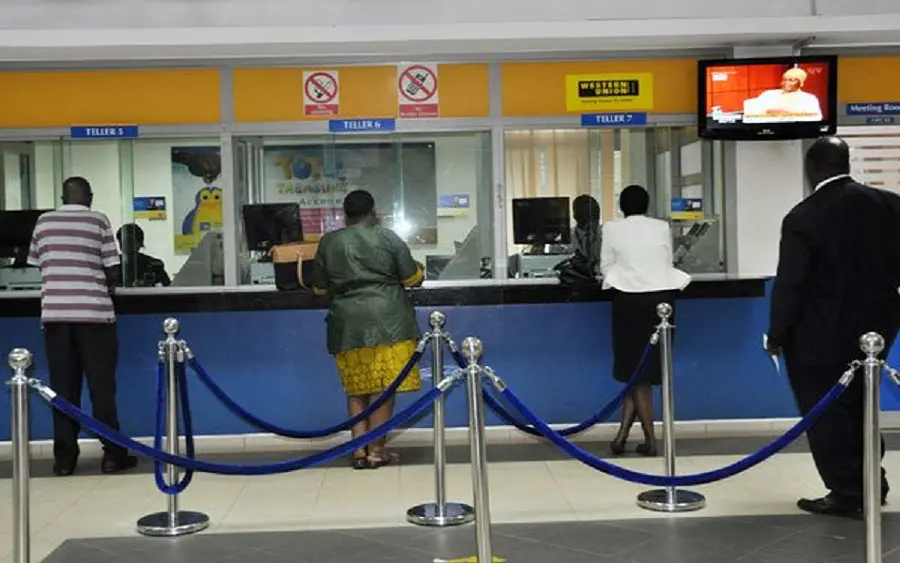
A recent report by the Financial Institutions Training Centre (FITC) has revealed a dramatic surge in fraudulent activities across Nigerian banking platforms, leading to a staggering loss of N42.6 billion in the second quarter of 2024.
This figure represents a massive increase from the N468.4 million lost in Q1 2024 and dwarfs the total losses of N9.4 billion recorded for the entire year of 2023.
According to the FITC’s Q2 2024 Fraud and Forgeries report, the amount lost in Q2 alone is over 8,900% higher than the previous quarter’s losses and marks a 637% rise compared to Q2 2023.
The report highlights that “miscellaneous and other fraud” types accounted for the bulk of these losses, totaling N41.14 billion or 96.46% of the quarterly loss. This was followed by fraudulent withdrawals and computer/web fraud, which resulted in losses of approximately N781.2 million and N400.7 million, respectively.
The report also notes an alarming 1,784% increase in the total amount involved in fraud cases from Q1 to Q2 2024, climbing from N2.9 billion to approximately N56.3 billion.
READ ALSO: Nigeria stock market ends August in red amid economic uncertainty, Banks recapitalization
Fraudulent activities spanned multiple channels, including ATMs, online platforms such as web and mobile banking, bank branches, and point-of-sale (POS) terminals.
Interestingly, card fraud saw a notable decrease, dropping by 47.66% from 21,469 cases in Q1 to 11,237 cases in Q2. Conversely, fraud involving cheques and cash increased, with cheque-related fraud rising by 36.67% and cash-related fraud up by 9.09%.
In terms of the amount lost through various channels, bank branch-related fraud surged by 31,497%, escalating from N133.9 million in Q1 to N42.2 billion in Q2. Similarly, computer/web fraud losses skyrocketed by 1,560%, growing from N24 million to N400.8 million.
Mobile fraud, however, experienced a decrease, with losses falling by 59% from N216.4 million in Q1 to N88.7 million in Q2.
The FITC has recommended that banks enhance their security measures to combat the rising fraud rates.
These recommendations include adopting AI-driven tools for continuous monitoring, conducting regular unannounced internal audits, strengthening access controls, and implementing multi-factor authentication (MFA) and role-based access controls (RBAC).
The FITC report is based on fraud and forgery returns from 28 deposit money institutions in Nigeria, with 80 reports received for the quarter. Of these, 26 reports were submitted in April, and 27 each in May and June.
The FITC’s findings underscore the urgent need for improved security measures and vigilant monitoring to protect Nigerian banks from the growing threat of fraud.


-

 Latest5 days ago
Pastor Chris Oyakhilome announces mother’s passing at 88 [VIDEO]
-

 Latest7 days ago
Arsenal eye €70-80m move for Real Madrid star
-

 Football4 days ago
How David Beckham made $51.1m from 2026 World Cup, surpassing winners’ prize
-

 Crime6 days ago
Police arrest suspect, launch manhunt for 2 others over Delta Education Director’s death
-

 Latest6 days ago
How adulterated palm oil, coloured pepper are putting consumers at risk
-

 Crime5 days ago
Deaths in NSCDC Custody: Can Nigeria guarantee the safety of detainees?
-

 Latest7 days ago
Obi left $155m in Anambra, Otti insists amid debt controversy
-

 Crime7 days ago
184.5kg Cocaine Bust: NDLEA docks KC Luxury, two accomplices, remands them in custody