
Business
NNPCL’s contradictory statements on fuel subsidy spark controversy

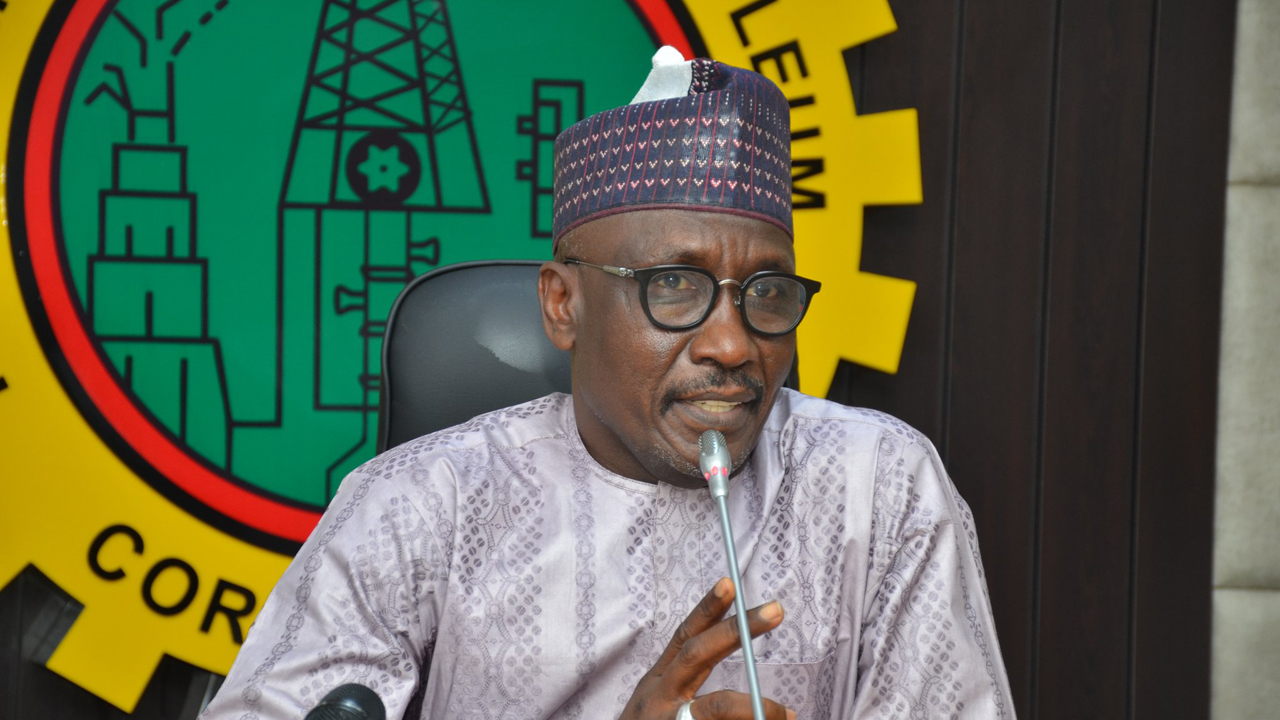
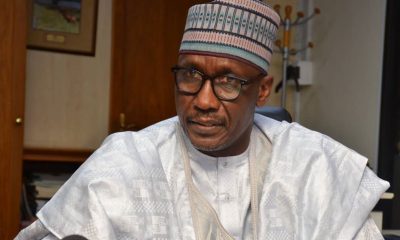
The recent statement by the Chief Financial Officer of the Nigerian National Petroleum Company Ltd (NNPCL), Mr. Umar Ajiya, has stirred significant controversy and raised questions about the company’s handling of fuel subsidies.
During a breakdown of NNPCL’s 2023 Audited Financial Statement in Abuja on August 19, 2024, Ajiya emphatically stated that no oil marketers had received any subsidy payments from the company in the last nine years.
According to Ajiya, NNPCL’s role was limited to managing petrol importation shortfalls between the company and the federation, with no direct dealings involving subsidy payments to marketers.
“No marketer has received any money from us in the name of subsidy payment in the last eight or nine years, not a dime,” Ajiya declared.
This statement has drawn widespread attention, especially considering a previous declaration by the Group Chief Executive Officer (GCEO) of NNPCL, Mele Kolo Kyari, which seemingly contradicts Ajiya’s assertions.
On May 30, 2023, Kyari, speaking on national television, confirmed that NNPCL had been bearing the cost of subsidy shortfalls from its cash flow.
He disclosed that the federal government owed the company up to N2.8 trillion from the subsidy regime, which NNPCL had been funding from its resources, affecting other operations. Kyari’s admission that NNPCL continued to support the subsidy from its cash flow starkly contrasts with Ajiya’s denial of any subsidy payments.
READ ALSO: NNPCL reaffirms commitment to northern oil exploration amid progress
Adding to the confusion, NNPCL’s public statements have been inconsistent. On July 10, 2024, the company responded to reports alleging inflated subsidy claims by reiterating that it conducts its business transparently and had not inflated any claims.
Despite denying any involvement in subsidy payments, the company acknowledged managing subsidy-related shortfalls, which further muddles the narrative.
The controversy surrounding NNPCL’s statements has reignited debates over the transparency of Nigeria’s fuel subsidy regime.
For years, Nigerians have been told about the financial burden of fuel subsidies, with oil marketers often claiming substantial debts owed to them by the government. Yet, NNPCL’s conflicting accounts suggest a lack of clarity about who is responsible for these payments.
Former Vice President Atiku Abubakar has also weighed in on the issue, calling for transparency in the subsidy process.
In a post on his official X platform, Atiku criticized the “unclear” governance under President Bola Tinubu’s administration and urged for greater transparency to alleviate the hardships faced by Nigerians due to fuel scarcity and rising inflation.
The ongoing opacity surrounding NNPCL’s handling of fuel subsidies continues to frustrate Nigerians, who endure the consequences of these unresolved contradictions.
As the debate intensifies, there is growing demand for clear answers and accountability from the authorities involved.







-

 Trending Stories1 week ago
Davido, Wizkid, Burna Boy or Asake: Who is having the biggest 2026 so far?
-
 Football7 days ago
Premier League releases 2026/27 festive fixtures, 7 matches set for Boxing Day
-

 Crime6 days ago
Anambra Police arrest mother over alleged child sexual exploitation
-

 Business5 days ago
Jetour Nigeria, dealers take dashing, other models to Abuja Experience
-
 Energy1 week ago
Brent crude tops $100: What higher oil prices mean for Nigeria
-

 Business6 days ago
Dangote Refinery IPO shifts spotlight to corporate governance, investor protection
-
 Business3 days ago
Dangote IPO rush crashes Bamboo login as investors flood platform
-

 Business6 days ago
Naira gains ground as Euro holds around N1,548, reserves hit 18-year high