
Energy
Only 5% Nigerians use LPG for cooking, 57% firewood, 27% Kerosene — Report

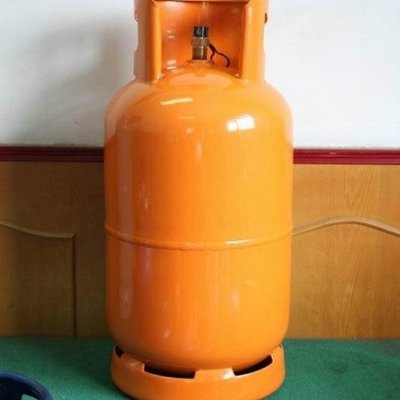
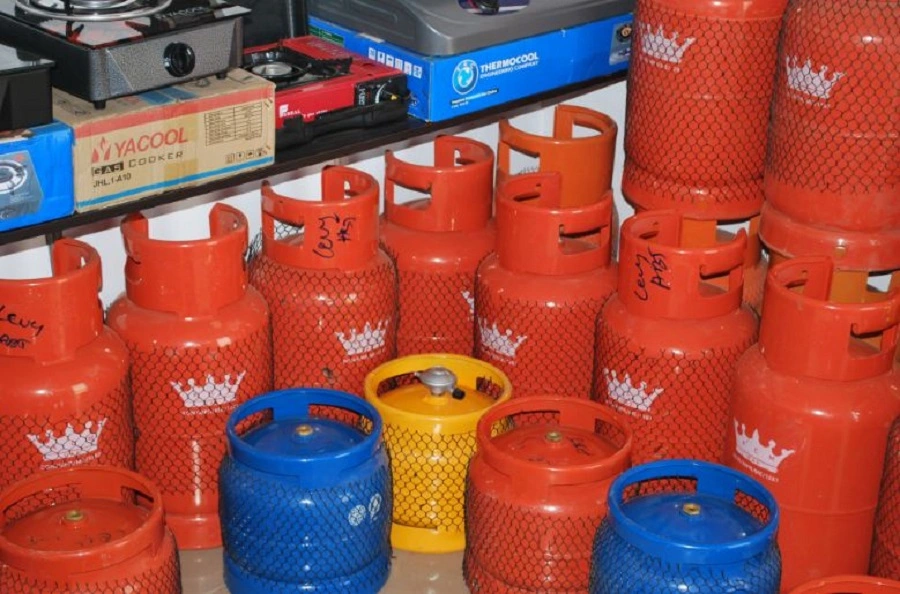
Nigerian Liquefied Petroleum Gas Association (NLPGA) has revealed that the ongoing campaign across the nation on the use of Liquefied Petroleum Gas (LPG) for domestic cooking is capable of generating well over N10b for the economy in two years.
Besides, the drive will among other things, generate an estimated 500,000 to 1,000,000 jobs in the LPG value chain within the next two years with the planned Kerosene to LPG switching programme.
Executive Secretary of NLPGA, Joseph Eromosele, in an interview in Lagos said “Only five per cent of the Nigerian population utilises LPG for cooking while 56 per cent depends on firewood and 27 per cent on kerosene. Over 30 million households and more than 100 million Nigerians depend on firewood as a source of energy for cooking but this has come with collateral damage to human health, environment (deforestation) and the economy. With the LPG policy, we will be able to drive broader penetration of LPG into homes, especially the low-income households in rural areas.”
ALSO SEE: Wigs off as Britain ends courtroom tradition says
Explaining more, the Deputy President of the group, Nuhu Yakubu, averred that the policy also aims to use LPG to displace LPFO and diesel as popular fuel among industrial users while deepening applications in agriculture and commercial establishments.
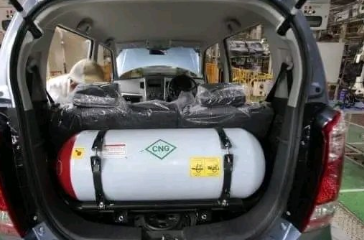
According to him, “The policy will also promote the use of LPG for off and on grid power generation. It will provide the environment for the use of LPG in the automotive industry with a target conversion of 10 per cent of the country’s vehicle population. These are investment opportunities for industry stakeholders,” he added.
Apart from creating jobs and cleaning up the environment, NLPGA decried that 18 states in northern Nigeria are currently suffering from desertification and deforestation because millions of the citizens rely on firewood for cooking.
The scourge is also hitting the southern half of the country as formally blossoming thick forests in the region are gradually disappearing due to massive logging for fuel wood.








-
 Latest5 days ago
Israel marks 3 years since October 7 Hamas attack amid Gaza strikes, election debate
-

 Energy5 days ago
Fuel Battle: Dangote, marketers and government clash over petrol imports
-

 Energy6 days ago
Petrol, diesel prices rise 86% in 2026 as costs hit fresh highs
-

 Energy7 days ago
Has Iran lost control of the Strait of Hormuz? Oil flows rebound as war disruptions persist
-

 Football6 days ago
Nigeria’s World Cup exit under spotlight as FIFA’s DR Congo files emerge
-

 Latest6 days ago
US Court set to rule on release of FBI, DEA records on Tinubu
-

 Business6 days ago
Nigerian investors at a crossroads as fixed-income yields slide
-

 Business7 days ago
LoveWorld Trade and Investment Forum to Convene Business Leaders in Accra