
Business
FX scarcity, VAT responsible for rising cost of cooking gas–NLNG

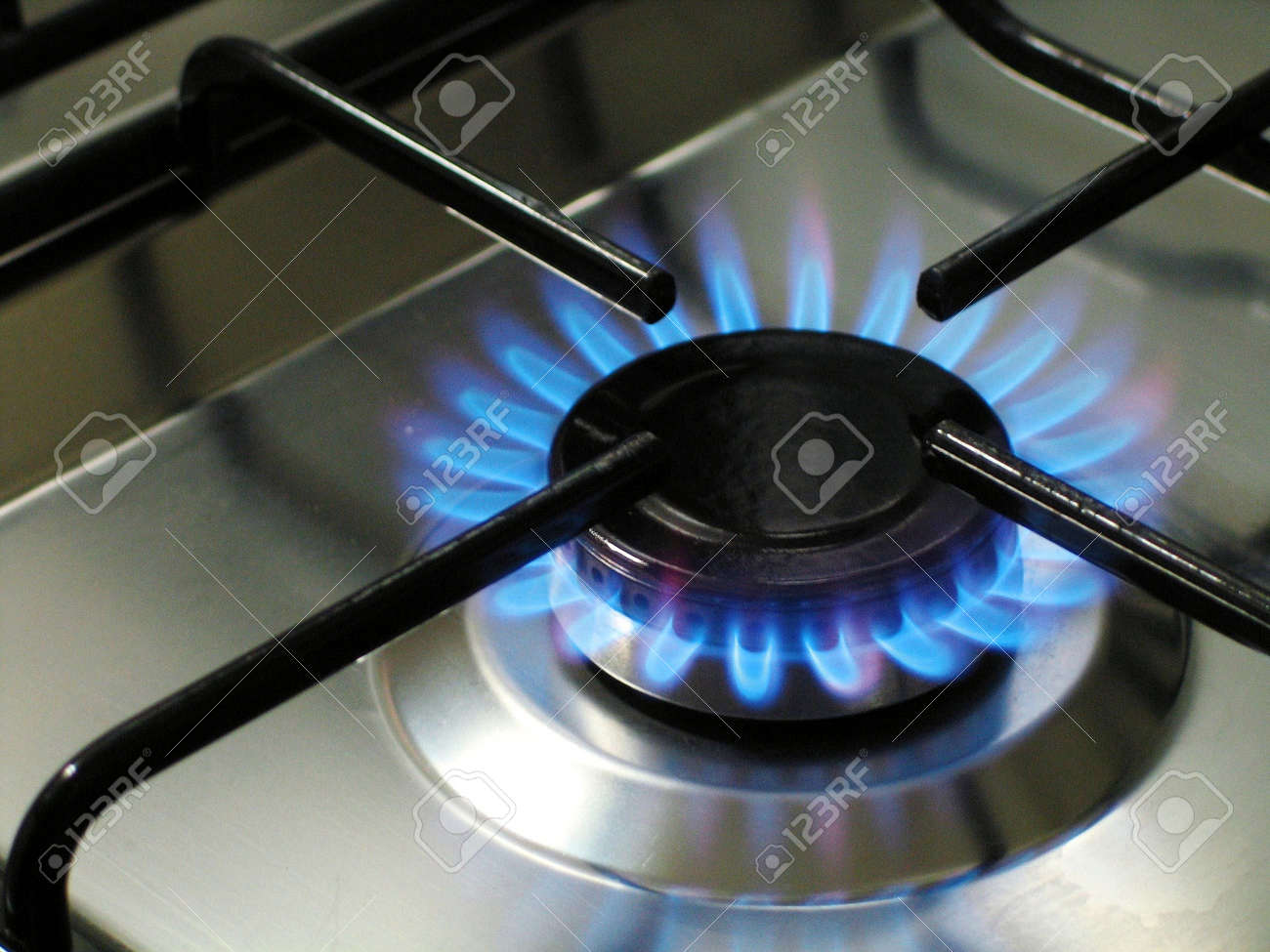
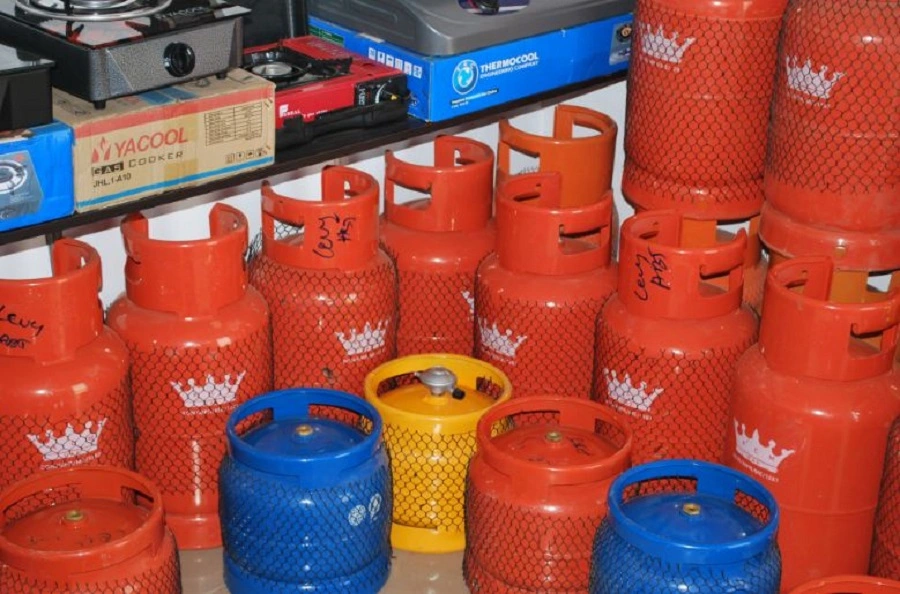
The Nigeria Liquefied Natural Gas, (NLNG) Ltd., has attributed the rising cost of cooking gas in the country to scarcity of Foreign Exchange (FX), Federal Government’s import and Value Added Tax (VAT).
The Managing Director and Chief Executive of NLNG, Dr. Philip Mshelbila, made this disclosure while speaking on the sidelines of the ongoing African Investment Forum (AIF) in Marrakesh, Morocco on Friday.
Mshelbila, therefore urged the Federal Government to address those factors, which he said impact about 60 per cent of the product component.
According to him, if this is addressed, it will go a long way to lower the prices of cooking gas for the benefit of Nigerians.
“In terms of pricing, I cannot speak about the back end of the market. But you should understand that our supply makes only 40 per cent of supply for the local market.
”The remaining 60 per cent has to be imported and many of the marketers are struggling to source forex.
“LPG is also subject to import duty and VAT and that is one area that the Federal Government has to look at if we want to lower the price of the product,” he said.
According to Mshelbila, the NLNG made a decision two years ago, that our butane and propane will be sold to the local market as cooking gas, and we have kept to that.
He said:” We have struggled with propane because our local market cannot take all our production.
READ ALSO: Prices of cooking gas could go higher without FG’s intervention–retailers
“We have just a few customers that can take our propane which includes Indorama, a private company. But they could not take all our propane and so from time to time, we export some of the products.
“Not because we want to export, but because our local market cannot take all of our production, “he said.
According to the NLNG boss, Nigeria needs more investments in that area so that more development and investments will take place.
He said there was a huge investment opportunity in propane as it could be used for transportation, power generation, and cell phone tower.
“The product is there, but it is a question of balancing supply and demand to create opportunity for more investment inflows to come into the country.
On takeaways from AIF, Mshelbila said:” I believe Nigeria can benefit from investments, not only from the natural gas industry, but also in the renewals and across the energy value chain.
“But we cannot get other benefits, if people don’t hear our story.
“We need people to hear our story. Investors need to make returns and that return needs to be sustainable overtime, which includes having things such as corporate governance.
“NLNG is a good demonstration of FDI in Nigeria where billions of us have been investing. But there are still opportunities for small investment across the oil and gas value chain that need to be embraced.”
According to him, there should be a system approach, we need to look at the whole system to make policies that drive investments,” he said.





-
 Latest6 days ago
Israel marks 3 years since October 7 Hamas attack amid Gaza strikes, election debate
-
 Energy5 days ago
Fuel Battle: Dangote, marketers and government clash over petrol imports
-
 Energy7 days ago
Petrol, diesel prices rise 86% in 2026 as costs hit fresh highs
-
 Energy1 week ago
Has Iran lost control of the Strait of Hormuz? Oil flows rebound as war disruptions persist
-

 Football6 days ago
Nigeria’s World Cup exit under spotlight as FIFA’s DR Congo files emerge
-

 Latest6 days ago
US Court set to rule on release of FBI, DEA records on Tinubu
-
 Business6 days ago
Nigerian investors at a crossroads as fixed-income yields slide
-

 Business1 week ago
LoveWorld Trade and Investment Forum to Convene Business Leaders in Accra