
ICT
Operators eye mobile IoT, want barriers to BTS deployment removed

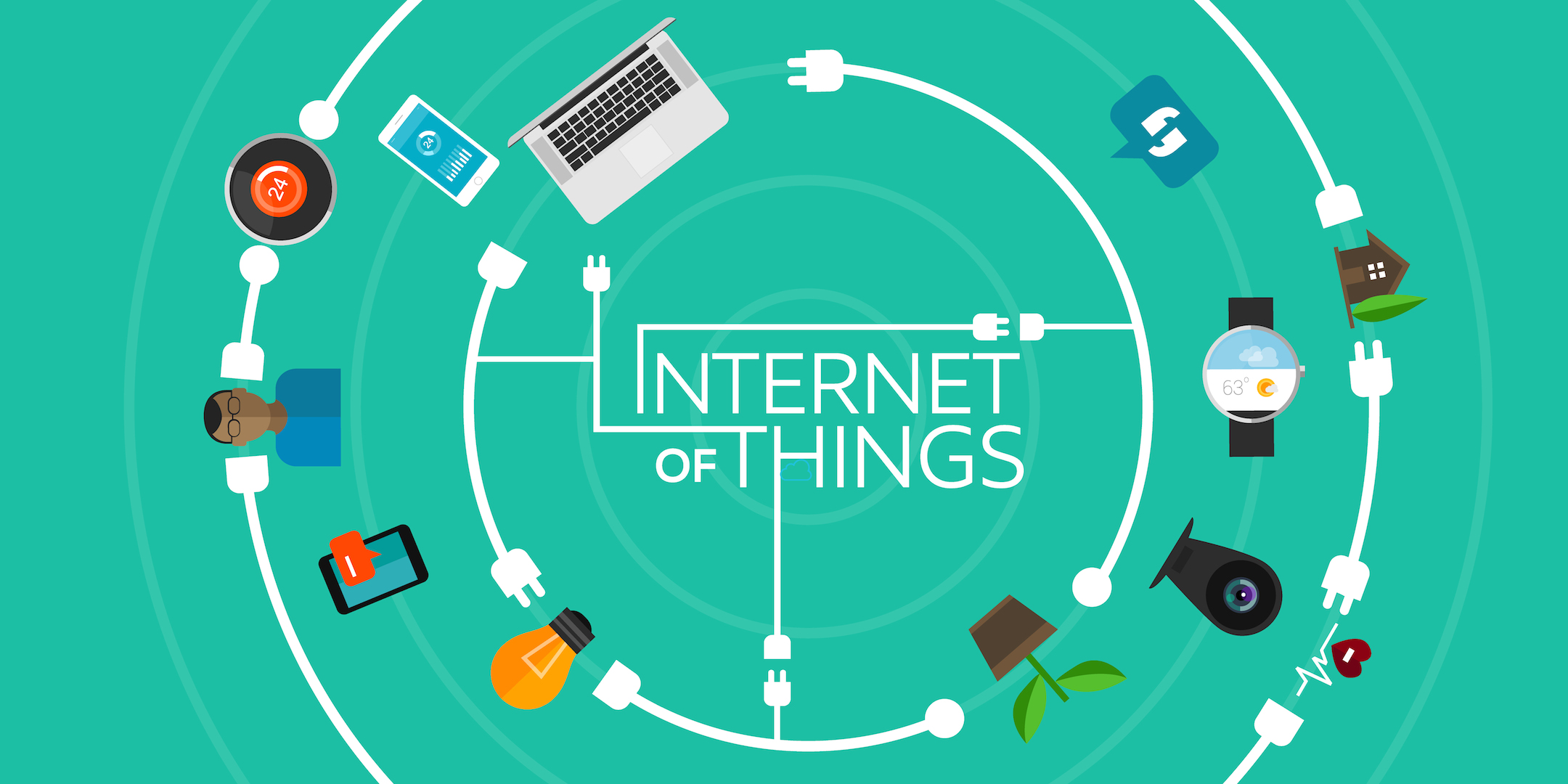
Information and communications technology experts in the country have urged governments at all levels to ease policies on deployment of telecommunications infrastructure as MTN and Huawei plan to launch mobile Internet of Things (IoT) next year.
The two operators have announced launch dates for Narrowband Internet of Things (NB-IoT) solutions in Nigeria by the end of 2018.
Narrowband IoT wireless technology will enable MTN to develop vertical industry applications for usage based Insurance, Smart Refrigeration for commercial bottling market, and smart Water Metering.
Mohammed Rudman, managing director, Internet Exchange Point of Nigeria (IXPN), said that a smart water metering solution enables the automated collection of utility meter data, while manual meter reading leads to high labour costs and inaccurate data.
He said: “for these to happen, governments need to assist operators to increase base stations in the country because operators will have to upgrade their base stations and build new ones for mobile internet of Things to work. The process of securing ‘Right of way’ by operators should be made easier as base stations will be connected via fibre links and cost should also be lowered”.
ALSO SEE: Banks go after tank farms, petrol stations over debts
He decried a situation where government stops building of new base station in some cities, “you can’t increase capacity without building new base station. Because operators are not building additional base stations that the industry is faced with congestion that results to poor quality of service,” he said.
Chris Uwaje, Africa Chair for World Forum on Internet of Things (IoTs), corroborating Rudman on need to expand capacity, said: “To date, the world has deployed about 5 billion “smart” connected things. Predictions say there will be 50 billion connected devices by 2020 translates to over USD20 trillion dollars. And in our lifetime we will experience life with well over a trillion-node network. Those are really big numbers. How things are fundamentally deployed today is a barrier to realizing those numbers. The industry will only achieve the reality of 50 billion connected devices by simplifying how things connect and communicate today.”
He noted that IoT is expected to transform how we live, work and play. From factory automation and automotive connectivity to wearable body sensors and home appliances, the IoT is set to touch every facet of our lives.






-

 Latest5 days ago
US Immigration fees rise from October 16 as USCIS announces new charges
-
 Latest6 hours ago
Israel marks 3 years since October 7 Hamas attack amid Gaza strikes, election debate
-

 Business5 days ago
Nigeria’s $55bn reserves raise fresh questions over naira value
-

 Health4 days ago
Florida sues Pfizer over deceptive COVID-19 vaccine marketing
-
![Edo Special Court sentences four kidnappers to death over woman’s abduction [VIDEO]](https://nationaldailyng.com/wp-content/uploads/2026/09/828831764_1099651439663438_3480600082081067427_n-400x240.jpg)
![Edo Special Court sentences four kidnappers to death over woman’s abduction [VIDEO]](https://nationaldailyng.com/wp-content/uploads/2026/09/828831764_1099651439663438_3480600082081067427_n-80x80.jpg) Crime1 week ago
Crime1 week agoEdo Special Court sentences four kidnappers to death over woman’s abduction [VIDEO]
-

 Crime4 days ago
From camp to captivity: How kidnappers now target NYSC Corps members on highways
-

 Business6 days ago
Tuoyo Erikowa wins digital marketing personality of the Year at 2026 EDGE awards
-

 Featured5 days ago
2027: Can Nigeria’s opposition still unite behind a single presidential candidate?