
Latest
Over 50 Senators, Reps lose APC tickets in major 2027 primary shake-up

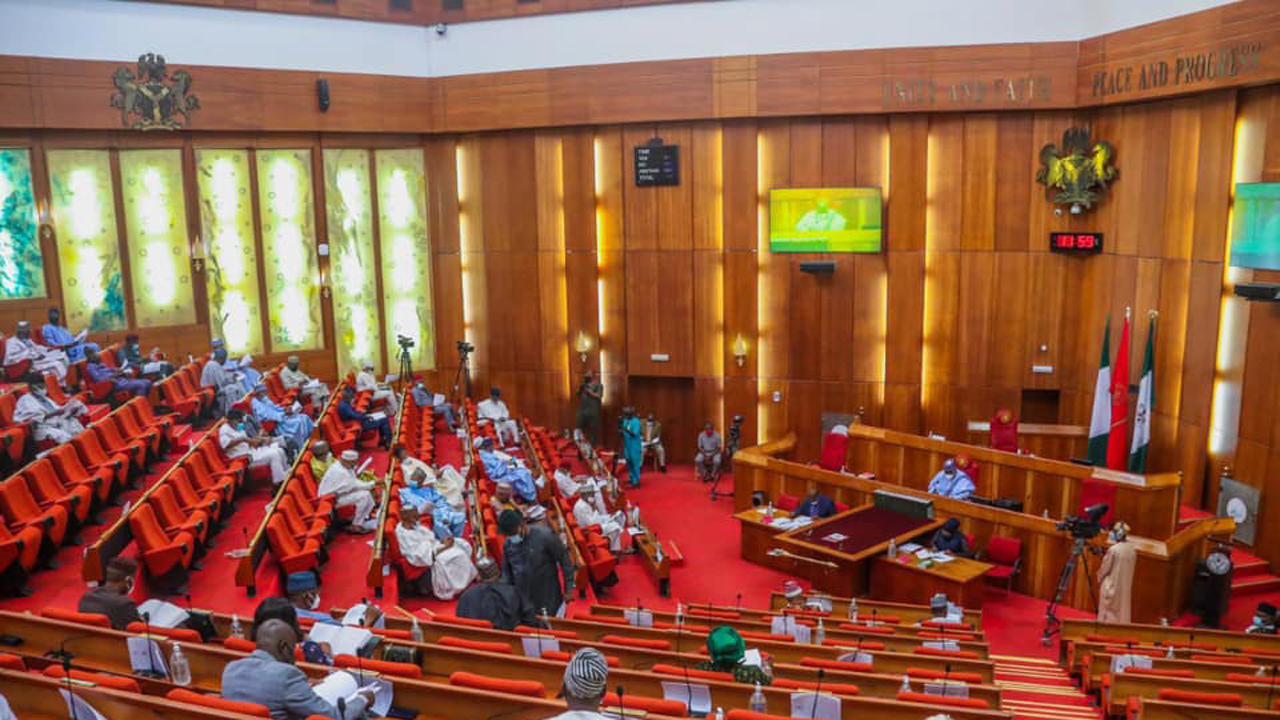
No fewer than 50 serving members of the 10th House of Representatives and several senators are reportedly set to miss out on seats in the incoming 11th National Assembly following widespread upsets recorded during the nationwide primaries of the All Progressives Congress.
The development has triggered growing tension within the ruling party as many lawmakers who supported controversial government policies and executive-backed reforms found themselves edged out during the party’s nomination process ahead of the 2027 general elections.
Although the APC is yet to officially release comprehensive results from all states, findings indicate that the number of lawmakers who failed to secure return tickets may rise further as collation continues across the country.
Several affected lawmakers were said to be stunned by the speed at which political alliances shifted against them despite years of loyalty to party leaders and the presidency.
For months, members of the National Assembly had defended difficult economic reforms introduced by the administration of Bola Tinubu, including fuel subsidy removal, fiscal restructuring measures, and amendments to the Electoral Act.
Many lawmakers repeatedly backed executive proposals despite public backlash over inflation, rising living costs, and worsening economic hardship.
However, as the APC primaries unfolded, several of the same lawmakers discovered that support for executive policies did not necessarily translate into political survival within the party.
The outcome has already sparked threats of litigation and silent protests from aggrieved aspirants who allege that the primaries were manipulated and lacked transparency.
READ ALSO: Senator Sarafa Alli defeats Adelabu, Buhari in Oyo APC primary
Among the most notable casualties is Nicholas Mutu, who represents Bomadi/Patani Federal Constituency in Delta State and has remained in the House since 1999.
Also affected is Mike Etaba from Cross River State, who lost his bid for a fourth term in the Green Chamber.
Another major figure caught in the political shake-up is Julius Ihonvbere, who is among lawmakers reportedly not returning to the National Assembly after losing out in the primaries.
Similarly, Yusuf Adamu Gagdi, representing Pankshin/Kanke/Kanam Federal Constituency, failed in his attempt to secure a third term ticket.
Cross River State witnessed one of the biggest shake-ups, with five out of eight serving House of Representatives members reportedly losing their return tickets.
Those affected include three-term lawmaker Mike Etaba; Alex Egbona representing Abi/Yakurr Federal Constituency; Godwin Offiono representing Ogoja/Yala; Emil Inyang representing Akamkpa/Biase; and Bassey Akiba representing Odukpani/Calabar Municipality.
Rivers, Delta, Ogun Also Hit
In Rivers State, lawmakers who reportedly failed to secure return tickets include John Azubuike Opara, Anderson Allison Igbiki, Awaji-Inombek Abiante and Boma Goodhead.
Delta State also recorded major upsets as Nicholas Mutu lost out, while Ngozi Okolie reportedly lost the Aniocha/Oshimili Federal Constituency ticket to former House Minority Leader Ndudi Elumelu.
In a major political twist, former Deputy Senate President Ovie Omo-Agege and Ned Nwoko are also among senators reportedly not returning to the Senate after losing during the APC primaries.
In Ogun State, five out of nine serving lawmakers failed to secure tickets, including Ishaq Akinlade, Ibrahim Isiaka, Tunji Akinosi, and Femi Ogunbanwo.
READ ALSO: Hamzat emerges Lagos APC governorship candidate, unveils “My Lagos Dream” agenda
Defections Fail to Save Some Lawmakers
In Enugu State, two Labour Party lawmakers who defected to the APC also lost out in the primaries.
They include Paul Nnamdi and Sunday Umeha.
Senator Echocho Challenges Kogi Governor
Meanwhile, a fierce political battle appears to be brewing in Kogi State after Senator Jibrin Isah, popularly known as Echocho, openly challenged Ahmed Usman Ododo following his defeat in the APC senatorial primary.
In a viral video message, the senator alleged that the primary process was manipulated and that no genuine voting took place in his ward.
“That result is a nullity,” Echocho declared angrily.
“I have been very supportive of your administration. I have been very loyal to you and to GYB. But since you are now out to fight me, take it from me today, the battle line has been drawn.”
His comments have deepened fears of an escalating supremacy battle within the APC in Kogi State ahead of 2027.
Ekiti Lawmaker Rejects Primary Outcome
A member of the House of Representatives from Ekiti State, Teju Okuyiga, also rejected the outcome of the primaries, alleging widespread irregularities and manipulation.
According to him, voting procedures and delegate accreditation guidelines were ignored in several wards.
“Figures were allocated, and results were announced in several wards where no voting took place,” he alleged.
“The process was manipulated to disenfranchise supporters and undermine my candidacy as the only female aspirant in this race.”
Igini’s Warning Resurfaces
The current wave of political losses has also revived earlier warnings issued by former Independent National Electoral Commission Resident Electoral Commissioner, Mike Igini.
Months ago, Igini cautioned lawmakers against weakening provisions for mandatory electronic transmission of polling unit results in proposed amendments to the Electoral Act.
In a statement titled “Proviso to Real-Time E-Transmission of Polling Unit Results: Why a Majority of Legislators May Not Return in 2027,” Igini warned that lawmakers risked becoming victims of the same legal loopholes they failed to address.
According to him, governors and party leaders could exploit weaknesses in the law to deny lawmakers tickets and manipulate election outcomes during collation processes.
Analysts Say Lawmakers Are Victims of Their Own System
Political analyst and communication scholar Nduka Odo said many lawmakers are now facing the consequences of a political structure they helped create.
“This is how laws were supposed to be — like a double-edged sword. When laws are made, they affect everyone, including those who made them,” he said.
“They gladly dug pits for the opposition, forgetting that they too could fall into it.”
Odo accused lawmakers of empowering governors excessively through provisions in the Electoral Act without considering future implications.
According to him, the legislature and judiciary have increasingly abandoned their constitutional responsibility of checking executive excesses.
“The three arms of government are designed to check one another, but today the legislature and judiciary are standing on the mandate of the chief executive,” he stated.
Despite the controversies, Odo argued that the Electoral Act amendment could still strengthen Nigeria’s democracy in the long run by limiting unchecked political influence and forcing greater accountability within political parties


-
 Latest5 days ago
Full List: Meet the 2026 Nobel Prize winners across six categories
-

 Football5 days ago
Premier League Matchweek 7: Five Fixtures That Could Shape the Weekend
-

 Latest4 days ago
Umahi defends Lagos-Calabar highway route changes amid public outcry
-

 Business3 days ago
Dangote Refinery IPO: 70% Subscription claim meets fourfold demand assertion as investors seek clarity
-
Business4 days ago
Dangote Refinery IPO Extension: Was the 70% subscription report overhyped?
-

 Latest2 days ago
UCTH faces morgue crisis as 50 unclaimed corpses await mass burial
-

 Featured4 days ago
El-Rufai, ADC governorship candidate’s court appearance puts Kaduna opposition politics in focus
-

 Business2 days ago
BREAKING: Nigeria’s Inflation Rate Drops to 14.63% in September