
Latest
Retirement controversy: IGP’s directive sparks tensions with PSC, retired officers


A recent directive by Inspector-General of Police (IGP) Kayode Egbetokun, countering the Police Service Commission (PSC)’s retirement order, has sparked strong opposition from retired senior officers, escalating tensions within the force.
The development has raised questions about the authority of the PSC and the IGP’s influence over police personnel management.
The PSC had initially ordered officers who had reached either 35 years of service or 60 years of age to retire, aligning with the Public Service Rule that mandates retirement under such conditions.
This decision followed an internal review aimed at ensuring consistency with civil service procedures and maintaining a structured transition within the force.
However, in a wireless communication dated February 5, 2025, the IGP instructed affected officers to “stay action” and delay their retirement pending further instructions.
This directive has led to confusion and unrest among police officers, as it directly contradicts the PSC’s order and creates uncertainty about the enforcement of retirement policies.
In reaction, several retired senior officers, including Deputy Inspectors-General (DIGs), Assistant Inspectors-General (AIGs), and Commissioners of Police (CPs), have expressed their discontent.
READ ALSO: PSC clarifies IGP Egbetokun’s tenure amid retirement speculations
They argue that the PSC’s directive aligns with established civil service norms and that the IGP’s counter-directive undermines due process. Critics have accused the IGP of favoritism and political maneuvering, claiming that the decision may be aimed at delaying his own retirement.
The controversy has taken a legal dimension, with some officers affected by the PSC’s directive filing lawsuits against the commission. They are seeking either reinstatement or compensation for what they perceive as an unfair or politically motivated decision. The legal battle is expected to have significant implications on police reforms and future interpretations of retirement policies.
Meanwhile, PSC spokesperson Ikechukwu Ani has attempted to downplay the situation, stating that the IGP’s comments do not necessarily reject the commission’s decision. However, the growing divide between the PSC and the police hierarchy suggests that further confrontations may arise in the near future.
Observers believe that the outcome of these legal disputes and public debates on police retirement age and tenure will likely shape future administrative policies in the force.
With mounting pressures from various factions, this dispute highlights the need for clearer governance structures and consensus between regulatory bodies to maintain stability within Nigeria’s police system.


-

 Latest7 days ago
US Immigration fees rise from October 16 as USCIS announces new charges
-
 Latest2 days ago
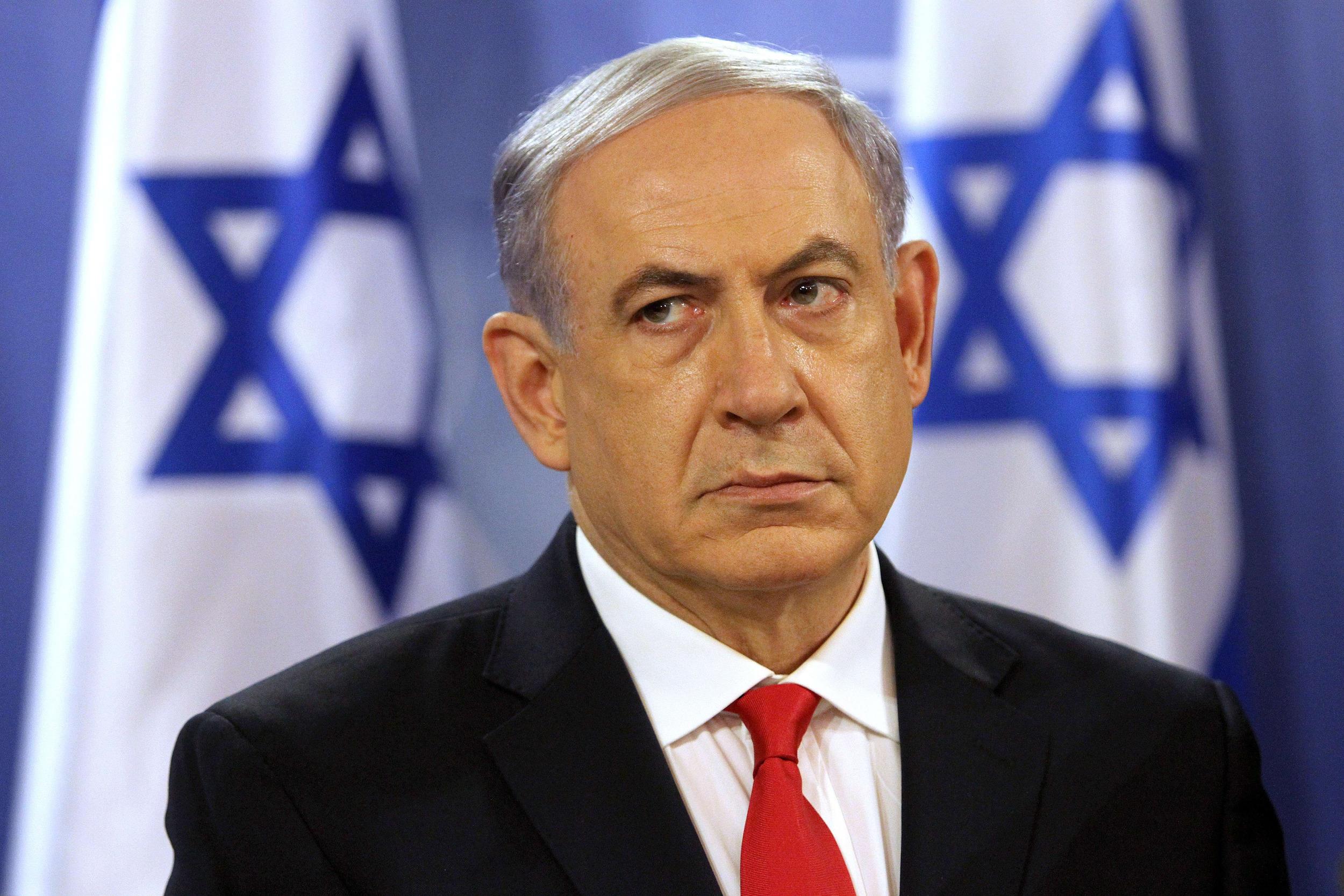
Israel marks 3 years since October 7 Hamas attack amid Gaza strikes, election debate
-

 Business7 days ago
Nigeria’s $55bn reserves raise fresh questions over naira value
-
 Health6 days ago
Florida sues Pfizer over deceptive COVID-19 vaccine marketing
-

 Business1 week ago
Tuoyo Erikowa wins digital marketing personality of the Year at 2026 EDGE awards
-

 Crime6 days ago
From camp to captivity: How kidnappers now target NYSC Corps members on highways
-

 Featured7 days ago
2027: Can Nigeria’s opposition still unite behind a single presidential candidate?
-

 Crime6 days ago
Fulani Militia leader linked to Christian killings arrested in Plateau