
Featured
SDGs: UN to begin $4 billion implementation framework in Nigeria 2018


The UN said it would commence implementation of over four billion dollars UN Sustainable Development Partnership Framework (UNSDPF) in Nigeria in 2018.
Mr Edward Kallon, the UN Resident Humanitarian Coordinator and UNDP Resident Representative, made this known at the UN Day Celebration in Abuja, noting that the scheme would be from 2018 to 2022.
Kallon said the theme of the celebration was “Concrete Action for SDGs”, adding that the scheme was to demonstrate UN’s commitment to the implementation of Sustainable Development Goals (SDGs) in the country.
The resident representative said the UNSDPF was premised on SDGs principles, with clear mapping and linkages of contribution of each results area to SDGs target.
According to him, the UNSDPF 2018-2022 is the main strategic document defining the broad areas of support and assistance of the UN system to Nigeria.
He said it was a joint development and humanitarian framework for the over 20 UN agencies and organisations in Nigeria, focusing on Governance, Human Rights, Peace and Security.
He explained that it also focused on Equitable Quality Basic Services and Sustainable and Inclusive Economic Growth and Development.
He added that “the UNSDPF is major imperative for not only a joint-UN partnership but direct re-affirmation of support to government’s development agenda, especially the Economic Recovery and Growth Programme.
“A total of 193 world leaders recently reaffirmed their commitment to world peace and emphasised the SDGs both as a developmental imperative and operational framework for moving the world to greater prosperity.
ALSO SEE: CP Kokumo resumes as Edo Commissioner of Police
“The leaders made the commitment at the recent concluded 72nd session of UN General Assembly in New York.
“I, therefore, urge policy makers and development partners in Nigeria to go beyond `business as usual’ approach to `business unusual’ approach to SDGs implementation.”
He also urged them to incorporate both the letter and spirit of Agenda 20139, as well as the AU commission’s Agenda 20163, into policies, plans and legislation at both federal and state levels.
While noting that government alone could not deliver the SDG promise, Kallon called for broad coalition with the private sector, development partners, academia, civil society organisations, among others, to achieve the goals.
Foreign Affairs Minister Geoffrey Onyeama, represented by the ministry’s Permanent Secretary, Amb. Olakunle Bamgbose, said Nigeria was proud to be a committed member of the UN family.
According to him, the theme of the anniversary is apt and timely in view of the aspiration to tackle poverty and other challenges in Nigeria.
He said the country recognised SDGs as clear stimulus for generating coherence.
“We are convinced that full implementation of SDGs is crucial to the development of Nigeria. And it therefore calls for our collective goals and this will help to transform our world.
“Let me reassure you of Nigeria’s commitment to engage global communities and most importantly the UN; there is the need to promote effective and transformation of implementation of SDGs at national and sub-national level.
“These are goals that President Muhammadu Buhari remain personally committed to provide and ensure that no one is left behind,” he said.


-

 Featured4 days ago
BREAKING NEWS: Shouts of joy rock the world as Pastor Chris opens final Healing Streams edition for 2026
-

 Football5 days ago
Man United shortlist Emery, Nagelsmann as potential replacements for Carrick
-

 Business5 days ago
Hoodlums raid JED Benue office, abduct 10 staff over power dispute
-

 Football5 days ago
Aston Villa ready to freeze out Garnacho to avoid £43m Chelsea transfer
-
 Business1 week ago
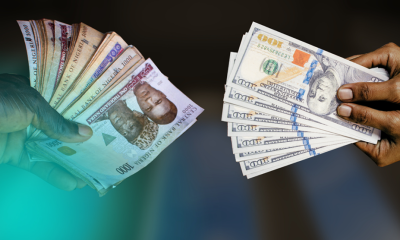
Naira faces exchange rate gap as Dollar hits N1,380 on parallel market
-

 Latest4 days ago
Akpabio tasks Tompolo-backed movement with spreading Tinubu’s renewed hope message
-

 Business5 days ago
EV adoption: Roxettes seeks cheaper financing, local manufacturing incentives
-

 Business4 days ago
How Ethiopian Airlines is challenging Africa’s aviation narrative through self-reliance