
Featured
Sen Shehu Sani berates Buhari, commends Niger, Rwandan presidents on citizens palliatives

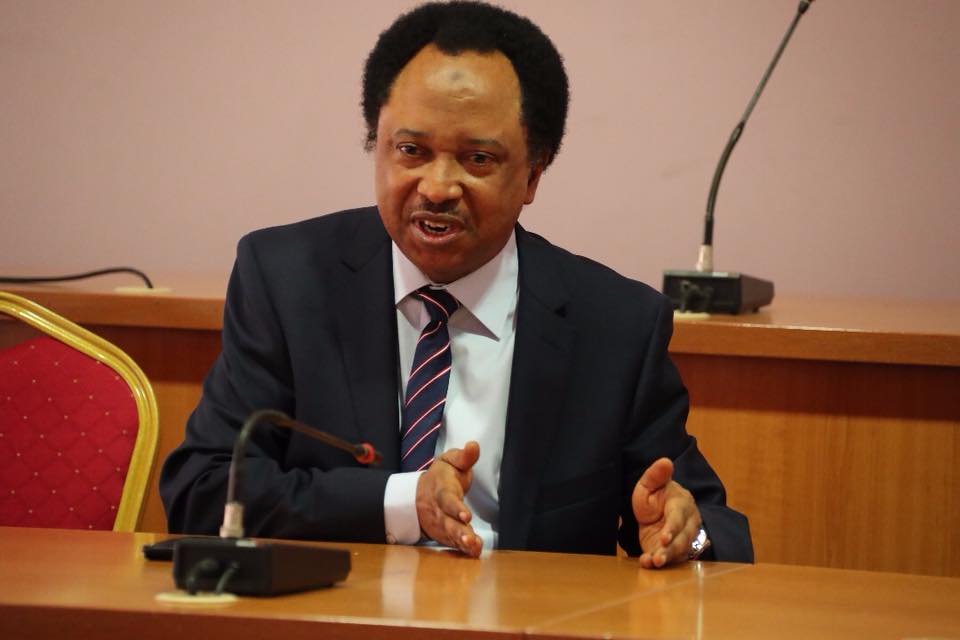
Former Senator Shehu Sani from Kaduna State has berated President Muhammadu Buhari for his lack of commitment to the welfare of Nigerian citizens and failure to provide palliatives for Nigerian during the period of stay at home order in the fight against the deadly coronavirus which cases has been on steady rise in the country.
President Buhari was not precise on any meaningful palliatives for Nigerians beyond leaning on dysfunctional public policies some of which are passive.
Senator Shehu Sani acknowledged the cancellation of electricity and water bills by the government of Niger Republic and the door-to-door distribution of food to citizens by the government of Rwanda to provide palliatives for citizens in the respective countries.
The Kaduna Senator in a tweet wrote: “I wish to commend the Government of Niger Republic for waving off electricity and water bills for its citizens. And also wish to commend the government of Rwanda for door to door distribution of food stuff to its citizens to cushion the effect of the stay at home directives.”
In Nigeria, citizens are forced to stay at home by the president at their own peril. Every man fending for himself while government cares for only state actors either in the National Assembly or in the presidency.


-

 Featured4 days ago
BREAKING NEWS: Shouts of joy rock the world as Pastor Chris opens final Healing Streams edition for 2026
-

 Football4 days ago
Man United shortlist Emery, Nagelsmann as potential replacements for Carrick
-

 Business4 days ago
Hoodlums raid JED Benue office, abduct 10 staff over power dispute
-

 Football4 days ago
Aston Villa ready to freeze out Garnacho to avoid £43m Chelsea transfer
-
 Business1 week ago
Naira faces exchange rate gap as Dollar hits N1,380 on parallel market
-

 Latest4 days ago
Akpabio tasks Tompolo-backed movement with spreading Tinubu’s renewed hope message
-

 Business4 days ago
EV adoption: Roxettes seeks cheaper financing, local manufacturing incentives
-

 Business3 days ago
How Ethiopian Airlines is challenging Africa’s aviation narrative through self-reliance