
Latest
State police could undermine emocracy, Buba Galadima warns

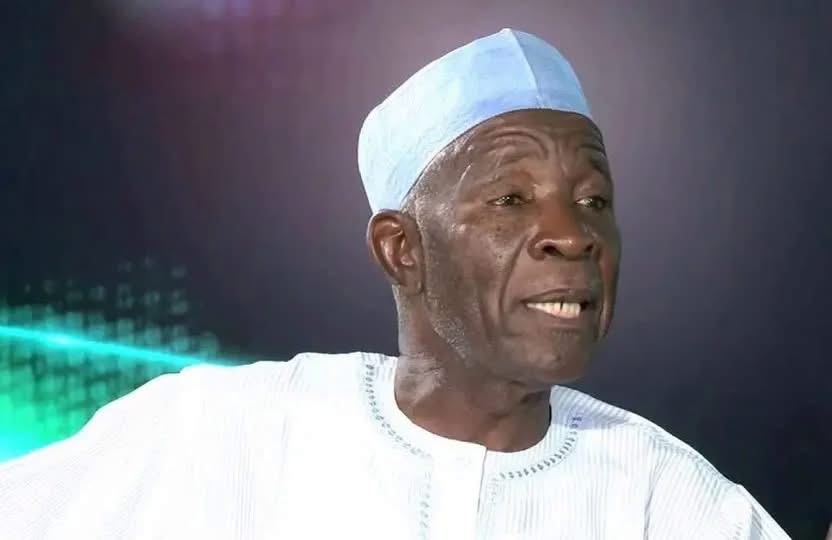
Elder statesman and opposition figure Buba Galadima has warned that the proposed establishment of state police could pose a serious threat to Nigeria’s democracy, arguing that governors may use the new security structure to intimidate political opponents rather than tackle insecurity.
Galadima made the remarks at an opposition gathering in Abuja amid growing national debate over a constitutional amendment bill before the National Assembly seeking to empower Nigeria’s 36 states to establish their own police forces.
According to him, the current push for state policing is politically motivated and comes at a sensitive period as preparations for the 2027 general elections gather momentum.
He questioned the rationale behind creating state police when existing federal security agencies are still battling widespread insecurity across the country.
“They are introducing state police not to secure Nigerians, but to disrupt upcoming elections and kill our democracy,” Galadima said. “If the heavily equipped federal police and the entire Nigerian military apparatus are struggling to solve insecurity, what magic will state police perform? The reality is that the presidency and sitting governors want to use state police as glorified political thugs.”
Galadima expressed concern that state police commissioners would ultimately answer to state governors, making the proposed system vulnerable to political interference and abuse of power.
The debate over state policing has intensified in recent months, with supporters arguing that decentralizing law enforcement would improve response times to security threats and enable governors, who are constitutionally regarded as chief security officers of their states, to better protect lives and property.
However, critics have raised concerns over the absence of strong constitutional safeguards to prevent abuse. They argue that state-controlled police forces could be deployed to suppress political opposition, intimidate journalists and civil society groups, and influence electoral processes.
Galadima also questioned whether many states possess the financial capacity to establish and sustain independent police formations, noting that most state governments rely heavily on federal allocations to meet their basic obligations.
He urged opposition parties and civil society organisations to remain vigilant as discussions on the bill continue, insisting that any reform of Nigeria’s policing system must prioritize accountability, professionalism, and the protection of democratic institutions.
The proposed state police legislation remains under consideration as lawmakers continue consultations with stakeholders across the country. If approved, it would mark one of the most significant changes to Nigeria’s security architecture since the return to democratic rule in 1999.

-

 Football3 days ago
Africa breaks World Cup record with seven teams in knockout stage
-

 Latest6 days ago
Alleged xenophobic attack claims life of Malawian street vendor in South Africa
-

 Football4 days ago
Netherlands to face Morocco, Brazil draw Japan in 2026 World Cup round of 32
-

 Comments and Issues5 days ago
Norway’s Rowing Celebration Captures The Spirit Of The World Cup
-

 Entertainment16 hours ago
Actress Cossy Ojiakor shares flooded home as heavy rainfall wreaks havoc in Lagos
-
 Aviation1 week ago
Heading through the storm: Multiple taxes, complex leasing drag on Nigerian carriers
-

 Energy5 days ago
Leaked court documents allege Shell ignored pipeline safety warnings in Niger Delta
-

 Latest1 week ago
Troops close in on forest hideout as search continues for abducted Oyo schoolchildren