
Crime
UNIABUJA profs, others kidnapped rescued; ASUU worries about makeshift staff quarters since 1988

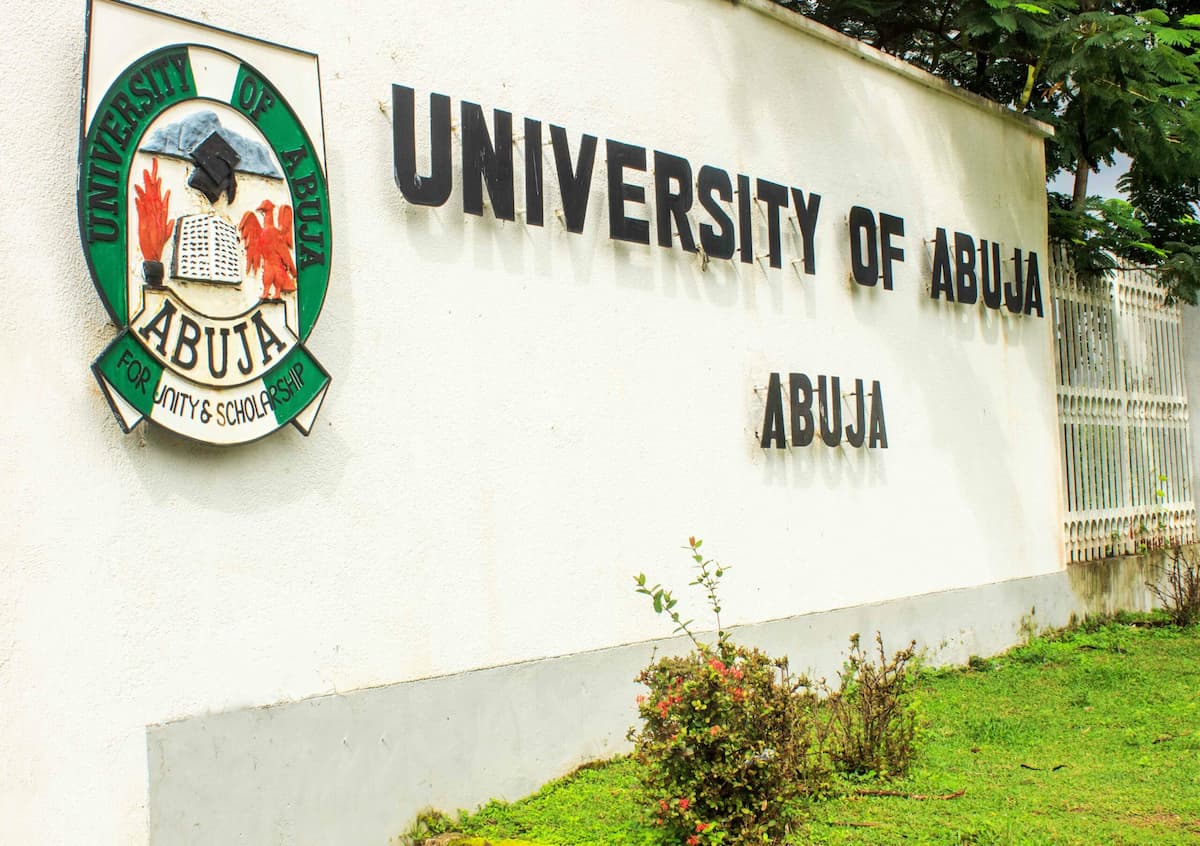
The Federal Capital Territory (FCT) Police Command says it has rescued all abducted victims of the University of Abuja and have reunited with their families through a joint operation with other security agencies.
Spokesperson of the Police Command Josephine Adeh confirmed the development in a statement issued in Abuja on Friday.
Some armed criminals invaded the university’s Staff Quarters located at Giri community of the FCT in the early hours of Tuesday.
The hoodlums numbering more than 20 were said to have shot their way into the university staff quarters and whisked away their victims.
Earlier, the Academic Staff Union of Universities (ASUU), University of Abuja branch, on Thursday called on the Federal Government and security agencies for immediate rescue and release of all abducted members and staff of the university.
The chairperson of the branch, Dr Kasim Umar, who expressed concern about the situation called for stringent and urgent measures to ensure safety in the community.
According to him, the Senior Staff Quarters were built by President Shehu Shagari’s administration as a police barracks at the inception of the university in 1988 and later converted to temporary accommodation for founding staff members of the university.


-
 Latest6 days ago
Israel marks 3 years since October 7 Hamas attack amid Gaza strikes, election debate
-

 Energy6 days ago
Fuel Battle: Dangote, marketers and government clash over petrol imports
-

 Energy7 days ago
Petrol, diesel prices rise 86% in 2026 as costs hit fresh highs
-
 Energy1 week ago
Has Iran lost control of the Strait of Hormuz? Oil flows rebound as war disruptions persist
-

 Football6 days ago
Nigeria’s World Cup exit under spotlight as FIFA’s DR Congo files emerge
-

 Latest6 days ago
US Court set to rule on release of FBI, DEA records on Tinubu
-

 Business6 days ago
Nigerian investors at a crossroads as fixed-income yields slide
-

 Business1 week ago
LoveWorld Trade and Investment Forum to Convene Business Leaders in Accra