
Business
Nigeria’s debt to revenue ratio worsens as public debt increases

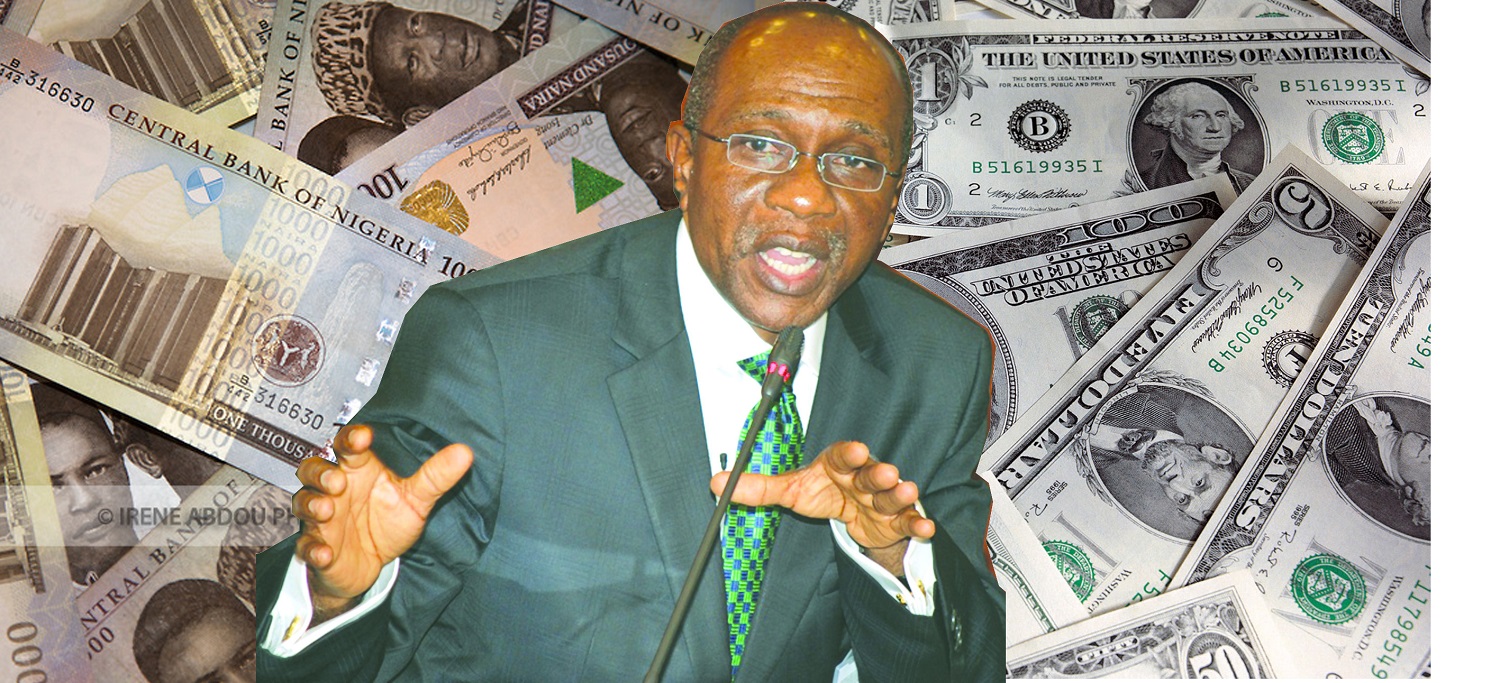
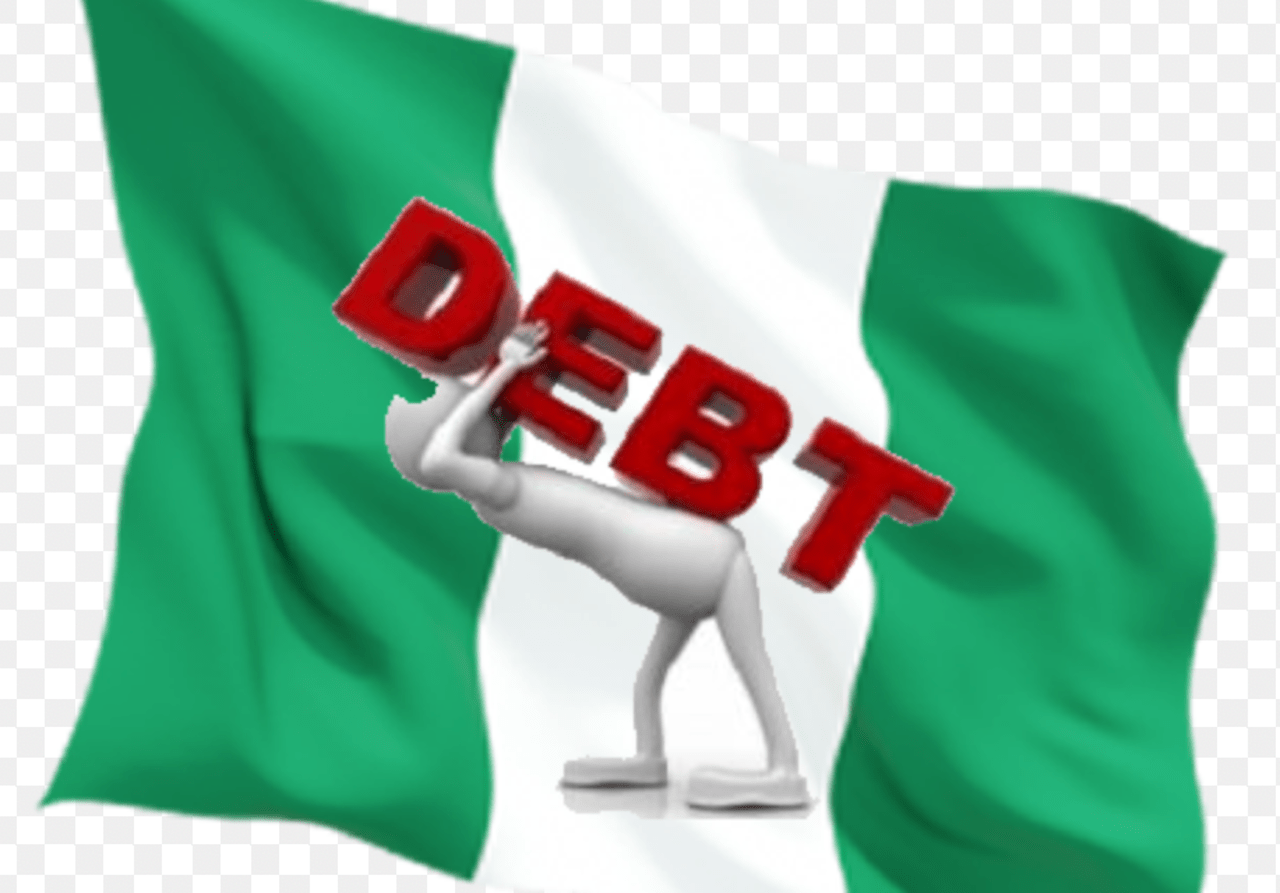
Nigeria’s debt to revenue ratio is set to deteriorate further as the country’s total public debt rose to $79.5 billion (N28.63 trillion) as of the first quarter of 2020, representing a 15% increase from the figure that was recorded for the corresponding period in 2019, which was about $69.09 billion (N24.94 trillion).
According to data obtained from DMO, $27.66 billion (N9.9 trillion) is the total external debt. This represents 34.89% of the total public debt stock. Whereas, $51.64 billion (N18.64 trillion) is the total domestic debt, which represents 65.11% of the total public debt.
The Federal Government accounts for 50.77% of the total domestic debt, which is $40.26 billion (N14.53 trillion), whereas the State Governments and Federal Capital Territory account for 14.34% of the total domestic borrowing which is $11.37 billion (N4.11 trillion).
Nigeria has been under a lot of fiscal crisis following the crash of oil prices triggered by the coronavirus pandemic. The oil sector accounts for about 90% of the country’s foreign exchange earnings and about 60% of its total revenue.
The country, which had lined up a series of debt issue this year, had to halt the external commercial borrowing due to oil price collapse. The Minister for Finance, Zainab Ahmed, had last week disclosed that the country would no longer go ahead with its Eurobond debt issue.
The Nigerian government, for now, is focusing on the domestic markets and concessionary loans to help fund the 2020 budget deficit which is made worse by drop in revenue. In the recently approved 2020 revised budget, the federal government is expected to borrow N850 billion from the domestic market.
This rising debt has put a lot of pressure on the government’s resources as it spent $1.69 billion (N609.13 billion) to service its domestic debt in the first quarter of 2020 alone.
Nigeria has seen its debt stock rise sharply in recent years as the country tries to fund infrastructural and developmental projects and boost its fragile economy, which has been in and out of recession. The country’s economy has been projected to fall into recession again, due to the adverse impact of COVID-19 that has seen oil prices crash globally.






-

 Football6 days ago
Banda, Chawinga make 2026 Women’s Ballon d’Or top 30 shortlist
-

 Featured6 days ago
Peter Obi, Makinde and the 2027 elections: Can unity really challenge APC?
-

 Business1 week ago
Nigerian Breweries’ H1 profitability strengthens as revenue hits N804bn
-
 Business1 week ago
Nigeria records N12.59trn trade surplus in Q2 2026 — NBS
-

 Trending Stories4 days ago
Davido, Wizkid, Burna Boy or Asake: Who is having the biggest 2026 so far?
-

 Football4 days ago
Premier League releases 2026/27 festive fixtures, 7 matches set for Boxing Day
-

 Latest1 week ago
Tinubu’s US legal battle: Group questions silence of elder statesmen
-

 Business2 days ago
Jetour Nigeria, dealers take dashing, other models to Abuja Experience