
Business
Visa reveals new tricks fraudsters use to exploit online payment

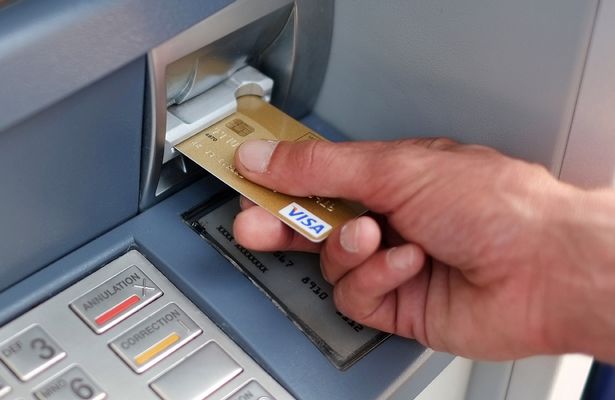
Following the massive embrace of digital payments in the Covid-19 era, fraudsters have now sought opportunities to exploit changes in how people pay for goods and services with the intention of scamming them.
According to Aribidesi Lawal, Risk Manager, Visa West Africa, global businesses reported an average of 4,000 cyberattacks on average per day since COVID-19, representing a 400 per cent increase from what was reported pre-pandemic.
Addressing how COVID-19 presents fraudsters with new opportunities, Lawal said the new era of fraud was marked by more sophisticated attempts to trick people into sharing sensitive information.
“For example, across Central Europe, Middle East and Africa, we have seen an increase in social engineering attacks, including phishing, where fraudsters are exploiting the gaps which existed pre-pandemic and have intensified during the crisis.
“Phishing, specifically, has grown much more complex throughout the pandemic, and now includes a number of variants, such as spear phishing – attacks targeting a specific victim with personalised communication and vishing, which includes voice phishing scams, as well as spoofed websites.”
In the likelihood of implementation, Lawal said: “Friendly fraud is another type of attack on the rise, where individuals’ cards and passcodes are used without permission by friends, family or other close associates.
“For merchants it can be a cost of doing business because it’s difficult to track, and most of the time refunds are issued without investigating the matter further. Friendly fraud is said to reduce legitimate sales by 1 per cent and profits by 20 per cent.
He, however, said that despite this, the commerce ecosystem has recognised the challenges and responded well, taking a technology-led approach to address emerging threats.
Speaking about security in the post-COVID world, Lawal said with COVID-driven uncertainty set to remain in the near future, the next 12 to 18 months may bring even more disruption and transformation.
“However, I believe that the dramatic shift we have seen towards digital payment will continue as consumers and merchants show increasing preference for eCommerce and contactless payments,” Lawal added.
He added that investing in new, innovative ways of onboarding customers and new ways to pay, such as online, in-app, contactless, and IoT, will make or break a business in a post-COVID-19 world.


-

 News6 days ago
UK, Canada pledge closer cooperation on trade, defence and AI
-

 Business1 week ago
Abuja gears up for Jetour T2’s rugged-luxury experience
-

 Business7 days ago
Dangote: Petrol price gap fuels smuggling as Nigeria faces fresh pump price surge
-

 Business7 days ago
Tinubu’s economic reforms face public confidence test as cost-of-living crisis persists
-

 Business4 days ago
Dangote Refinery IPO: Can small investors really make money from the shares?
-

 Comments and Issues5 days ago
Wavy fuel prices and deepening cost-of-living crises in Nigeria
-

 Football5 days ago
FULL LIST: Eight stadiums to host 2027 Women’s World Cup in Brazil
-

 Business2 days ago
Jetour takes T1 adventure SUV experience to Abuja, targets growing Nigerian market