
Health
3 Dangerous things every woman should avoid during her period

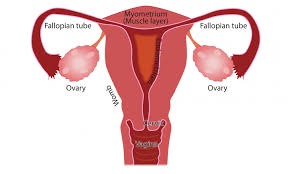
Menstruation popularly known as the period is natural vaginal bleeding that happens as part of a woman’s monthly cycle. Any month, your body readies for pregnancy. If no pregnancy occurs, the uterus, or womb, sheds its lining. The menstrual blood is partly blood and partly tissue from inside the uterus.
Every lady of 13 years old, and above is due for menstruation because, at this period, the hormone responsible for it to occur is ready. As a woman, your period is your body to ways of releasing body’s tissues that it no longer needs. Every month, your body prepares for pregnancy. The lining of your uterus gets thicker as preparation for nurturing a fertilized egg.
Here Are Things You Should Avoid During Your Period.
Avoid wearing pad for too long
Hooked water provides a breeding ground for bacteria and fungus, and wearing a pad for too long can lead to disease, involving a yeast infection. A damp pad and friction can also cause discomfort or the dreaded pad rash and make you more endangered to infection. If you do not change your pads continually (at least every 5-7 hours), you are much more liable to develop epidemics and vaginal yeast infections with the side education of bad odor. No matter how light your flow is, it’s always safe to change your pad regularly.
Drinking Alcohol
Many women are sufferers of this particular act, alcohol commonly consists of a chemical that is dangerous to your heart, kidney, lungs, brain, and other vital parts of your body. Too much consumption of alcohol can cause abnormal menstrual cycles. Alcohol temporarily enhances levels of estrogen and testosterone, which may obstruct normal hormonal fluctuations that are essential for ovulation. As a result, your periods may become unstable.
Wrong Medications
One of the more common illegal drugs that affect is cocaine. Especially usual cocaine use, may disrupt your period menstrual cycle, interfere with sex hormone levels, and stop ovulation entirely. Several prescription and can nonprescription medications influence the menstrual cycle. A few examples are Aspirin and (called blood thinners) that prevent blood clots. Nonsteroidal anti-inflammatory other (NSAIDs), such as ibuprofen (for example, Advil or Motrin) and naproxen (for example, Aleve) drugs.
Please this article is suggested for all ladies who want to live healthily. Put effort to follow the tips of this article and you can also share with the large society thanks.


-

 Latest5 days ago
Pastor Chris Oyakhilome announces mother’s passing at 88 [VIDEO]
-

 Latest7 days ago
Arsenal eye €70-80m move for Real Madrid star
-

 Football4 days ago
How David Beckham made $51.1m from 2026 World Cup, surpassing winners’ prize
-

 Crime6 days ago
Police arrest suspect, launch manhunt for 2 others over Delta Education Director’s death
-
 Latest6 days ago
How adulterated palm oil, coloured pepper are putting consumers at risk
-

 Crime5 days ago
Deaths in NSCDC Custody: Can Nigeria guarantee the safety of detainees?
-

 Latest7 days ago
Obi left $155m in Anambra, Otti insists amid debt controversy
-
 Crime7 days ago
184.5kg Cocaine Bust: NDLEA docks KC Luxury, two accomplices, remands them in custody