
Latest
U.N. to give $300 million cash handouts to families with children, aged in Afghanistan

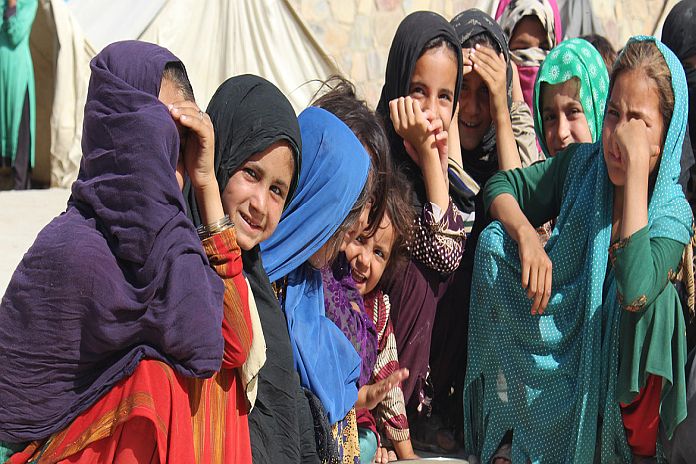
The United Nations has said it will implement a program to pay $300 million a year in cash to Afghan families with children, elderly or people with disabilities in Afghanistan, calling it the best way to target increasing poverty.
Speaking on Wednesday, December 1, the U.N. Development Programme (UNDP) Regional Director for Asia and the Pacific, Kanni Wignaraja described an “alarming” socio-economic outlook for Afghanistan for the next 13 months, saying the agency will also push for a $100 million “cash for work” project to boost employment and $90 million in small business payments.
“This will be probably the best shot at halting this massive collapse into near universal poverty,” UNDP’s Kanni Wignaraja, told Reuters.
U.N. to give $300 million a year cash handouts to families with children and aged to avert mass poverty in Afghanistan.
The U.N. World Food Programme has said 22.8 million people are facing acute food insecurity as Afghanistan struggles with a sharp drop in international development aid after the Taliban seized power in mid-August.
The economy and banking system in Afghanistan is on the brink of collapse, coupled with the COVID-19 pandemic and severe drought.
All this factors have made UNDP to project that poverty may affect more than 90 percent of the country’s 39 million people by mid 2022 .
UNDP set up a special trust fund in October, with a 50 million euros ($58 million) pledge from Germany, to provide urgently needed cash directly to Afghans. So far, the fund has received pledges for $170 million.
The UNDP report makes the case for boosting a cash payment program, known as ABADEI, which was launched in October. Since then UNDP said it has made $100,000 in “cash for work” payments, creating jobs for 2,300 people in Mazar, Kunduz and Herat, and is being expanded to other provinces.
The report also warned that Afghanistan’s economic growth will not turn positive in the near term unless restrictions on women working are lifted, $250 million a year in aid to combat COVID-19 continues and sanctions are eased to allow for humanitarian assistance.
It estimates that restricting female employment could cause an immediate economic loss of between $600 million and $1 billion – 3 to 5 percent of gross domestic product.











-

 Football1 week ago
Banda, Chawinga make 2026 Women’s Ballon d’Or top 30 shortlist
-

 Trending Stories6 days ago
Davido, Wizkid, Burna Boy or Asake: Who is having the biggest 2026 so far?
-

 Featured1 week ago
Peter Obi, Makinde and the 2027 elections: Can unity really challenge APC?
-

 Football5 days ago
Premier League releases 2026/27 festive fixtures, 7 matches set for Boxing Day
-

 Business4 days ago
Jetour Nigeria, dealers take dashing, other models to Abuja Experience
-

 Crime4 days ago
Anambra Police arrest mother over alleged child sexual exploitation
-

 Business4 days ago
Dangote Refinery IPO shifts spotlight to corporate governance, investor protection
-

 Energy6 days ago
Brent crude tops $100: What higher oil prices mean for Nigeria