
Featured
Electoral Act: Buhari rejects direct primary, declines assent, citing N500bn cost implication

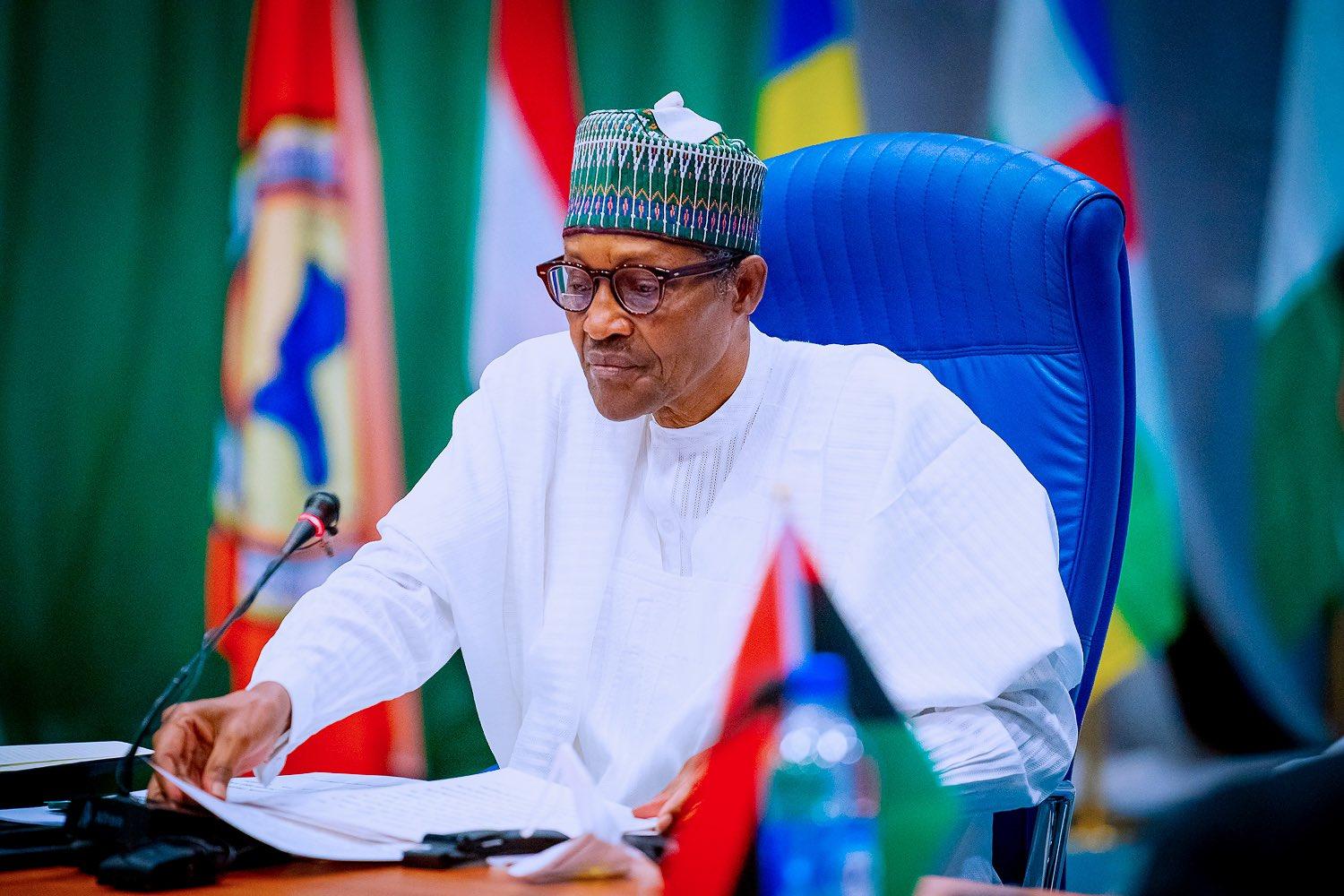
President Muhammadu Buhari has rejected the direct primary imposed on political parties by members of the two chambers of the National Assembly through the Electoral Act Amendment Bill passed and transmitted to the President for assent.
Sources revealed that President Buhari has communicated his decline to assent to the amended Act to the National Assembly. The President was said to have made his decision after consultations with the Independent National Electoral Commission (INEC) and the Attorney General of the Federation (AGF) and Minister, Abubakar Malami, where he was briefed of the high cost of conducting direct primaries to nominate candidates for the various political parties across the country for elections. The cost was estimate at N500 billion by the INEC.
The idea of direct primaries was earlier muted by the national leader of the All Progressives Congress (APC), Asiwaju Bola Tinubu, when Adams Oshiomhole was APC national chairman. It was a strong political tool adopted by the Lagos APC to alternate the delegates system and ensured the frustration of former Governor Akinwumi Ambode from securing the APC ticket for a second tenure in Lagos State.
President Buhari may have aligned with the protest of the All Progressives Congress (APC) governors, the Progressives Governors Forum, the Peoples Democratic Party (PDP) and its Governors Forum, rejecting the imposition of direct primary election for nominating candidates elections at all levels.
The national Assembly may resolve to veto the President and pass the Bill again which may not require the assent of the President to become a law, or review the Act, eliminating direct primary elections for parties and resend to the President for assent.
The INEC Chairman, Prof. Mahmood Yakubu, had complained that the conducting the imposed direct primaries would cost the commission over about N500 billion.
The commission further argued that conducting direct primaries for the two dominant parties in Nigeria, the APC and PDP, would imply conducting two national elections in the country, which has high costs for logistics, security, and personnel.


-
 Comments and Issues4 days ago
Can President Tinubu Revive Nigeria’s Moribund Refineries?
-

 Business4 days ago
TikTok, ByteDance agree to $400m settlement in US children’s privacy case
-
 Business5 days ago
Tinubu knocks Atiku’s subsidy plan, says proposal shows ‘ignorance’ of economy
-

 Entertainment7 days ago
Poco Lee faces rape allegation as unverified UK arrest report spreads online
-

 Latest1 week ago
Tinubu files: US Judge grants four-day extension in FOIA disclosure battle
-

 Football5 days ago
EPL 2026/27: Experts back Arsenal for title as Haaland, Rice lead individual award picks
-
 Featured1 week ago
Beyond Osun 2026: What Adeleke’s re-election reveals about Nigeria’s road to 2027
-
 Featured5 days ago
Economic Reality vs Party Machinery: What will drive Nigeria’s 2027 election?