
Health & Fitness
Exploring the diet habits of Adolescents and the Elderly

Adolescence is the period of transition between childhood and adulthood, Children entering adolescence are going through many changes in their bodies and brains. These include physical, intellectual, psychological and social challenges, as well as development of their own moral compass.
The changes are rapid and often take place at different rates. It can be an exciting yet challenging time in the life of a teenager. Adolescence is the time when your child becomes more independent and begins to explore their identity.
ADOLESCENTS
The eating habits of adolescents can vary widely, but there are some common trends and factors that influence their dietary choices.
Here are some key aspects of adolescent eating habits: Adolescents require a well-balanced diet that includes a variety of fruits, vegetables, whole grains, lean proteins, and low-fat dairy products. This ensures they get all the necessary nutrients for growth and development.
Adequate calorie intake: Adolescents often have high energy needs due to their growth spurt. It’s important for them to consume enough calories to support their activity levels and ensure proper growth.
Calcium and iron intake: Adolescents, especially girls, need sufficient calcium to support bone development. Good sources include dairy products, leafy greens, and fortified foods. Iron is also crucial to prevent iron deficiency anemia, with sources like lean meats, legumes, and iron-fortified cereals.
Limit processed foods and sugary drinks: Adolescents should minimize the consumption of processed foods, fast food, sugary drinks, and snacks high in added sugars. Encourage healthier alternatives like water, homemade meals, and whole foods.
Hydration: it’s important for adolescents to stay hydrated by drinking plenty of water throughout the day.
ELDERLY:
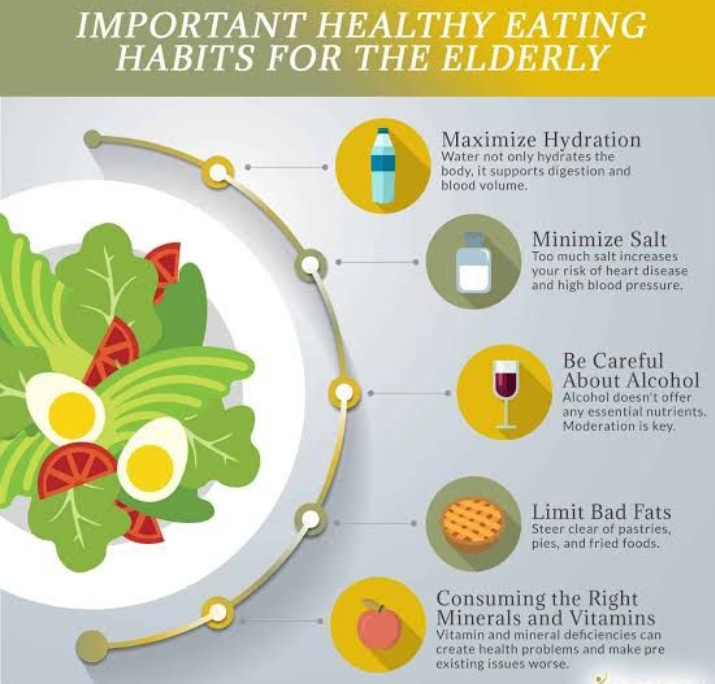
Nutrient-dense foods: The elderly should focus on nutrient-dense foods like fruits, vegetables, whole grains, lean proteins, and healthy fats. This helps meet their nutritional needs while managing calorie intake.
Adequate fiber intake: Older adults often experience digestive issues, so consuming adequate fiber from fruits, vegetables, whole grains, and legumes can aid in maintaining regular bowel movements.
READ ALSO :Doctors for COVID Ethics details dangers of mRNA vaccines
Hydration: Older adults may have a decreased sense of thirst, so it’s important to remind them to drink enough water throughout the day to prevent dehydration.
Calcium and Vitamin D: Aging increases the risk of bone loss, so sufficient calcium and vitamin D intake is crucial to maintain bone health. Dairy products, fortified foods, and supplements can help meet these needs.
Smaller, frequent meals: Some elderly individuals may have a decreased appetite or difficulty eating large meals, so consuming smaller, frequent meals throughout the day can ensure adequate nutrient intake.
Regular exercise: Encourage light physical activity, if possible to maintain muscle strength and overall well-being.
It’s important to note that individual needs may vary, and it’s always best to consult with a healthcare professional or registered dietitian for personalized advice based on specific health conditions and requirements.













-
 Latest5 days ago
Israel marks 3 years since October 7 Hamas attack amid Gaza strikes, election debate
-

 Energy5 days ago
Fuel Battle: Dangote, marketers and government clash over petrol imports
-

 Energy6 days ago
Petrol, diesel prices rise 86% in 2026 as costs hit fresh highs
-

 Energy7 days ago
Has Iran lost control of the Strait of Hormuz? Oil flows rebound as war disruptions persist
-

 Football6 days ago
Nigeria’s World Cup exit under spotlight as FIFA’s DR Congo files emerge
-

 Latest6 days ago
US Court set to rule on release of FBI, DEA records on Tinubu
-

 Business6 days ago
Nigerian investors at a crossroads as fixed-income yields slide
-

 Business7 days ago
LoveWorld Trade and Investment Forum to Convene Business Leaders in Accra