
Business
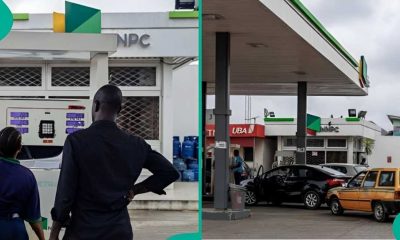
Petrol, diesel cost may soar as oil prices rise

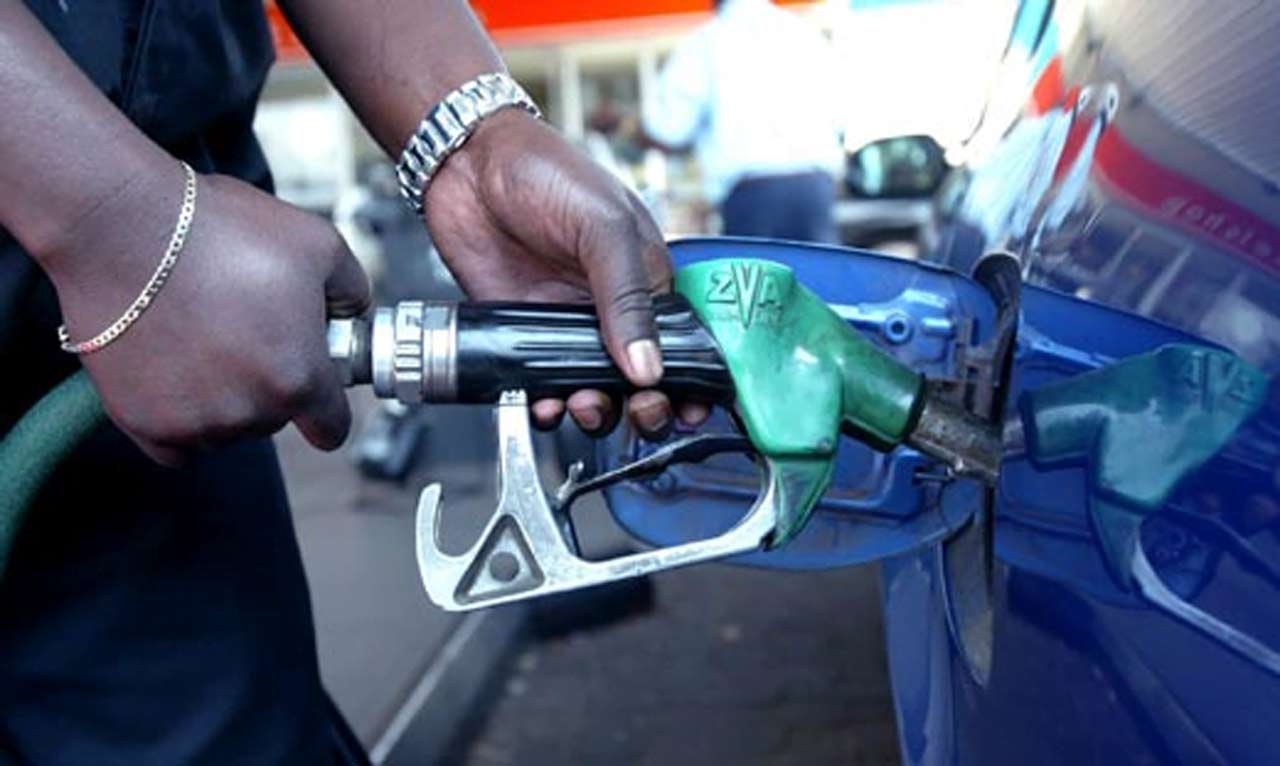
Nigerians may pay more for petrol, diesel and aviation fuel as oil prices rose at the international market, going for $94.31 per barrel as at Friday, September 15.
With diesel and aviation fuel already hovering close to N1,000 per litre, there are indications that tougher times could lie ahead for businesses, especially in the manufacturing and aviation sectors.
This spike in oil prices comes in the wake of earlier reports highlighting the impact of oil production cuts in Saudi Arabia and Russia, which have contributed to the recent upward trajectory in oil prices over the past few weeks.
READ ALSO: Nigerians may pay more for petrol as crude oil price surges
At the time of their initial announcement in July 2023, Brent crude was hovering around $76 per barrel.
As recently conveyed by Amena Bakr, the chief OPEC correspondent, via her Twitter account (X), the prevailing strategy in the oil industry revolves around the concept of maintaining tight inventories.
Bakr emphasized that OPEC-plus policies are fundamentally driven by the imperative of exercising control over global oil inventories.
According to a recent report by Bloomberg, Tatonga Rusike, the sub-Saharan African Economist at Bank of America, has emphasized that Nigeria must significantly boost its oil production by approximately 300,000 to 400,000 barrels per day to attain President Bola Tinubu’s ambitious goal of achieving 6% economic growth starting next year.
However, several obstacles stand in the way of achieving this production increase, particularly with the recent uptick in Brent crude prices. Nigeria has struggled to capitalize on this favourable market condition.
READ ALSO: Fuel subsidy removal has complicated business for oil marketers—IPMAN
One prominent challenge is the persistent issue of crude oil theft, which appears to be growing even more substantial despite concerted efforts by the government, security agencies, and external organizations like the Tompolo-led Tantita Security Group to combat it.
The insecurity of oil installations in the country could impact how investors view the viability of the Nigerian oil and gas sector.
Although Nigeria should be enjoying windfall from oil price, which rose to about a 10-month high, selling at $94.31 a barrel, the inability to refine locally and increase production output has not helped matters.
While Saudi Arabia has extended its voluntary cut of 1.3 million barrels per day, most OPEC countries, including Nigeria, are not meeting their quotas.










-

 Education4 days ago
University of Ibadan releases 2026/2027 post-UTME screening results
-

 Business6 days ago
Information Minister, VON DG to lead ARCON’s 2026 Advertising Industry Colloquium
-

 Football4 days ago
Unpaid £185m Club World Cup fund sparks fresh FIFA controversy
-

 Aviation6 days ago
Canada issues 10 key tips to help immigration applicants avoid processing delays
-

 Business1 week ago
Cooking gas dealers slash prices amid intensifying market competition
-
 Energy1 week ago
Dangote Refinery offers fresh hope for Nigeria’s industrial transformation
-
 Business4 days ago
Breaking: NNPCL reduces pump price of petrol as competition intensifies
-

 Politics1 week ago
Kenneth Okonkwo questions INEC’s credibility, calls for reforms ahead of 2027 polls