
Health
Men with larger breasts face higher risk of breast cancer — Health Ministry

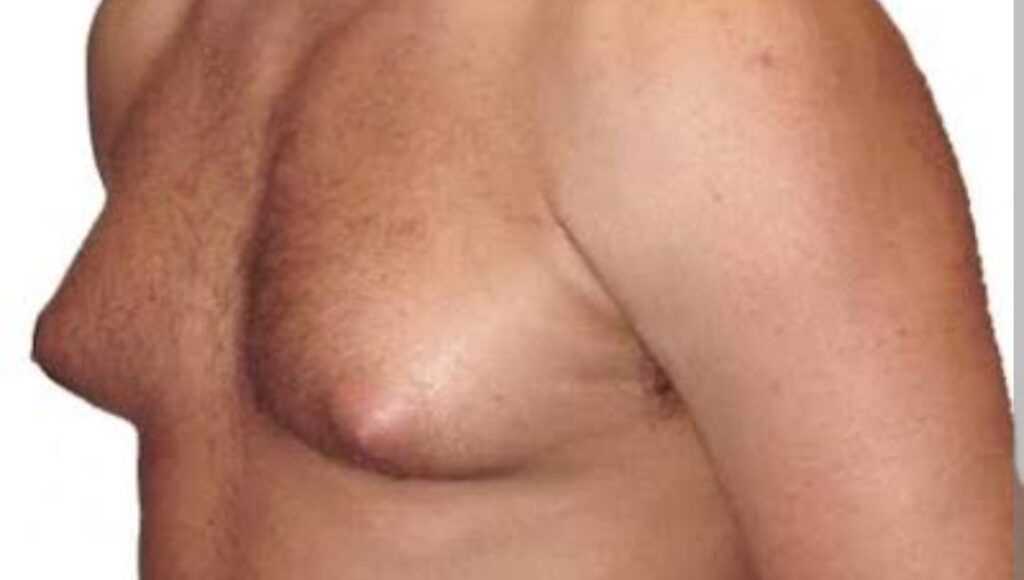
Men with larger breasts or those undergoing hormone therapy to feminize their appearance are at a significantly higher risk of developing breast cancer, according to Uche Nwokwu, Coordinator of the National Cancer Control Programme (NCCP) at the Federal Ministry of Health and Social Welfare.
Speaking with journalists on Saturday in Abuja, Mr Nwokwu highlighted that although breast cancer is rare in men, it is a real and potentially deadly condition often overlooked.
“Men have breast tissue, and though it’s less developed than in women, it still makes them vulnerable to breast cancer, especially when hormone levels shift abnormally,” he said.
He noted that hormone therapy — especially treatments aimed at increasing estrogen levels to support a more feminine physique — can heighten the risk of breast cancer in men. “The more active female hormones in the system, the higher the risk,” Nwokwu added.
READ ALSO: Experts refute vaccine-cancer link amid rising childhood cases in Nigeria
Explaining the science behind it, he stated that estrogen, the hormone responsible for breast development, is naturally present in both sexes. In men, testosterone usually keeps estrogen effects in check. However, when testosterone levels fall — due to illness, environmental factors, or hormone therapy — estrogen can dominate, potentially leading to gynecomastia (enlarged male breasts) and raising the risk of breast cancer.
“Once there’s a fluctuation that disrupts the body’s ability to regulate the cell ducts, it can trigger the development of breast cancer,” he warned.
Nwokwu stressed that men with visibly larger breasts are more susceptible to breast cancer than those with average chest sizes, though no man is entirely exempt.
He also flagged genetics as a key risk factor. “If you come from a family with a history of breast cancer, be extra cautious — even small environmental triggers can elevate your risk,” he said.
According to him, part of the challenge in addressing male breast cancer is a lack of awareness. Many men don’t recognize early symptoms, leading to late diagnoses and lower survival rates. He acknowledged the absence of robust data on male breast cancer in Nigeria, attributing it to poor symptom recognition and underreporting.
However, he said the federal government has now designated cancer as a reportable disease — a step expected to improve data collection and drive better policy interventions.
As a preventive measure, Mr Nwokwu advised men to perform regular self-examinations, looking out for lumps or unusual growths in the breast area. Early detection, he emphasized, is key to successful treatment.


-
 Latest6 days ago
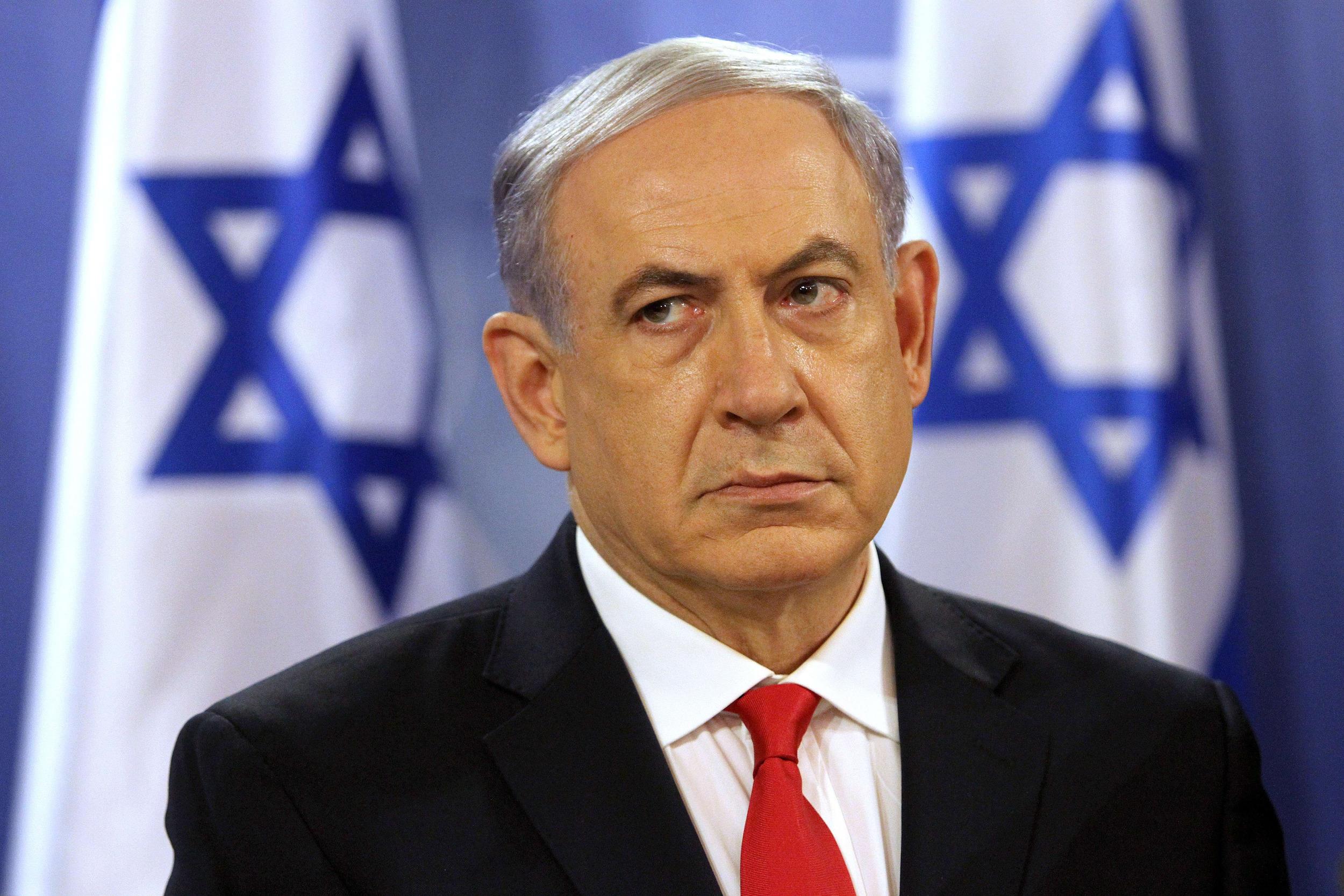
Israel marks 3 years since October 7 Hamas attack amid Gaza strikes, election debate
-

 Energy6 days ago
Fuel Battle: Dangote, marketers and government clash over petrol imports
-

 Energy7 days ago
Petrol, diesel prices rise 86% in 2026 as costs hit fresh highs
-
 Energy1 week ago
Has Iran lost control of the Strait of Hormuz? Oil flows rebound as war disruptions persist
-

 Football7 days ago
Nigeria’s World Cup exit under spotlight as FIFA’s DR Congo files emerge
-

 Latest7 days ago
US Court set to rule on release of FBI, DEA records on Tinubu
-
 Business7 days ago
Nigerian investors at a crossroads as fixed-income yields slide
-

 Latest14 hours ago
Full List: Meet the 2026 Nobel Prize winners across six categories