
News
Ekiti Poll: How Consensus Politics, Strategic Alliances Secured Oyebanji’s Landmark Re-election

By Anuoluwa Amao
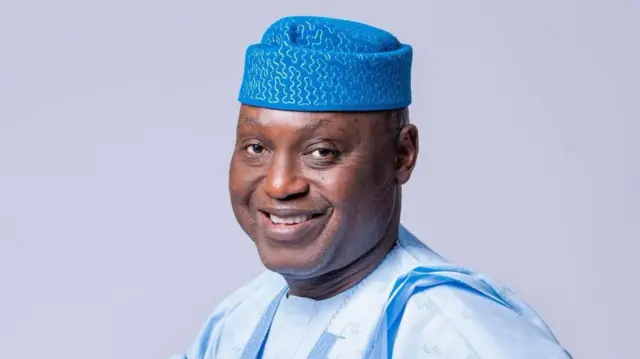
Governor Biodun Oyebanji’s emphatic victory in the Ekiti governorship election has been widely linked to his ability to unite the state’s political class and maintain a style of leadership rooted in the Omoluabi philosophy.
The governor, who contested on the platform of the All Progressives Congress (APC), coasted to victory after winning all 16 local government areas, leaving his challengers far behind and setting a new political record as the first Ekiti governor to secure two consecutive terms in office.
READ ALSO: 16-year-old becomes Nigeria’s youngest chartered accountant
Observers say the outcome reflected more than the advantages of incumbency. According to political analysts, Oyebanji spent much of his first term building bridges across party lines and mending old political divisions, a strategy that earned him the support of former governors, influential stakeholders and party leaders ahead of the election.
Unlike previous contests in the state that were often marked by tension and political rivalry, this year’s exercise was largely peaceful, with civil society groups commending voters, security agencies and the electoral commission for maintaining order throughout the process.
Organisations that monitored the election described the results as a fair reflection of voters’ choices, citing improvements in technology and result transmission. However, concerns over allegations of vote-buying and voter inducement remained a major talking point, with calls for stricter enforcement of electoral laws before the 2027 general elections.
Opposition parties also questioned certain aspects of the process, arguing that loopholes in election management and alleged irregularities should be addressed to strengthen public confidence in future polls. Despite their criticisms, the scale of the APC’s victory highlighted the challenge posed by internal divisions within rival camps.
For many residents, Oyebanji’s performance in areas such as infrastructure, healthcare, education and workers’ welfare played a significant role in his acceptance across the state. His inclusive approach to governance and emphasis on peaceful coexistence further strengthened his appeal among voters.
As he prepares for another four years in office, attention is now shifting from electoral success to governance. Analysts believe his second term presents an opportunity to consolidate existing achievements and deliver on the high expectations that accompanied his historic mandate.


-

 Featured5 days ago
Inside INEC’s race to prepare for Nigeria’s 2027 elections
-
 Featured5 days ago
2027: APC unveils nationwide campaign timetable, Tinubu to rally in 12 states
-

 Latest1 week ago
UCTH faces morgue crisis as 50 unclaimed corpses await mass burial
-
 Business7 days ago
President Tinubu and the Low Transport Fares Fiasco
-

 Business1 week ago
BREAKING: Nigeria’s Inflation Rate Drops to 14.63% in September
-
 Latest7 days ago
Global excitement builds as Healing Streams Live Services returns October 23
-

 Business5 days ago
Court dismisses ₦170m Trade Fair contract claim, says Zenith Bank was not a party
-

 Business3 days ago
Naira faces exchange rate gap as Dollar hits N1,380 on parallel market