
Business
Naira breaks below N1,330/$, hits strongest level in over two years

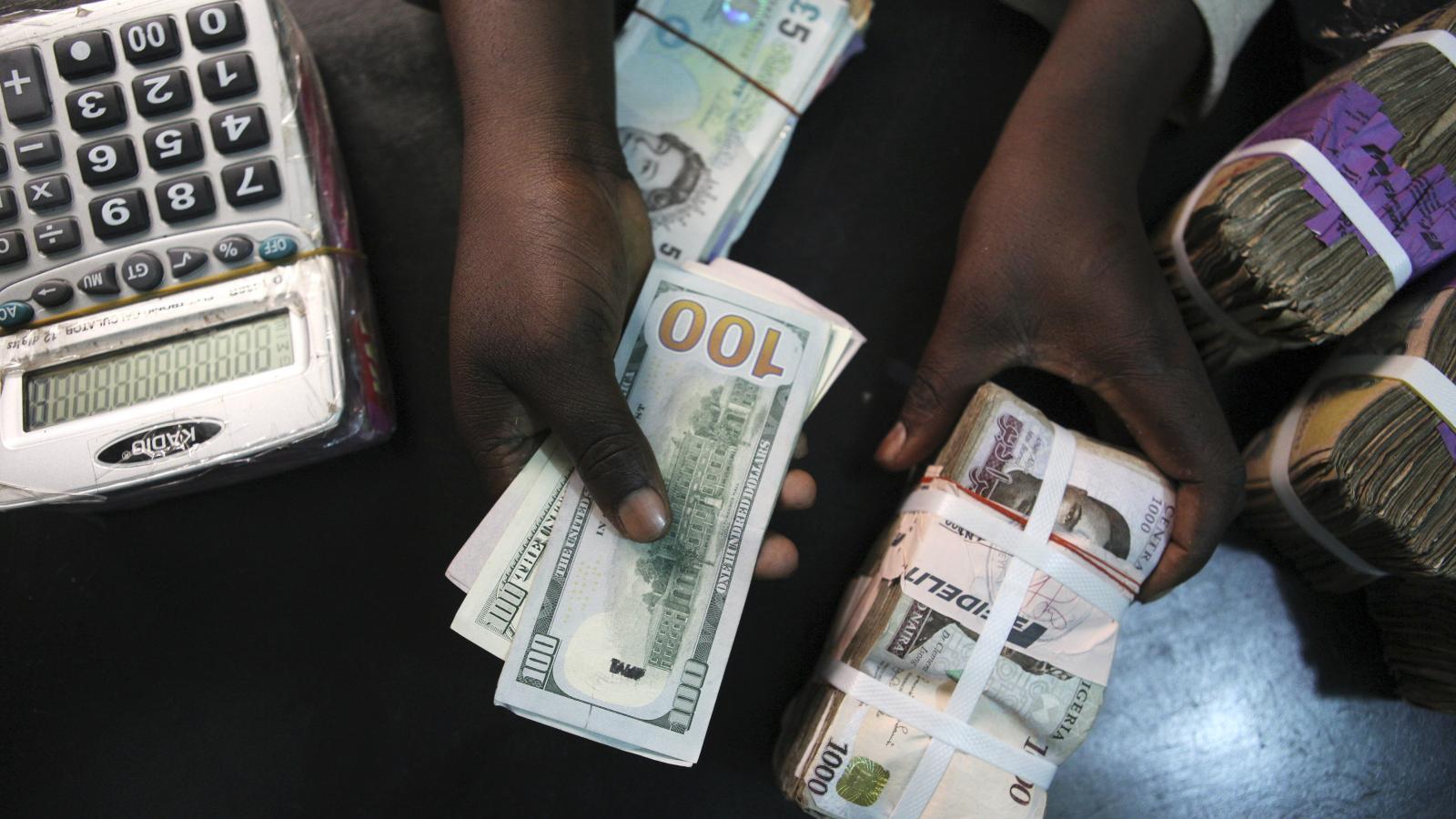
The naira strengthened significantly against the US dollar on Tuesday, September 1, 2026, breaking below the N1,330/$ threshold for the first time since May 2024 as improved foreign exchange liquidity and stronger external reserves continued to support the currency.
The naira closed at N1,329/$, representing a gain of N6.50, or 0.49 per cent, compared with the N1,335.50/$ recorded on Monday, according to data from the Central Bank of Nigeria (CBN).
The latest closing rate marks the strongest level recorded by the Nigerian currency since May 29, 2024, when it closed at N1,329.65/$.
The currency has maintained a steady appreciation trend since the middle of August, recovering from levels above N1,360/$.
On August 14, the naira closed at N1,358.25/$ before strengthening to N1,349.99/$ on August 24, N1,343/$ on August 26 and N1,337/$ on August 28.
The upward movement continued into the final trading day of August, with the currency closing at N1,335.50/$ on August 31 before gaining further ground to N1,329/$ on September 1.
Overall, the naira gained N29.25 against the dollar between August 14 and September 1, representing an appreciation of approximately 2.15 per cent.
READ ALSO; Naira appreciates to ₦1,346.49/$ at official FX market as liquidity improves
Trading on Tuesday remained relatively stable, with the naira moving within a narrow range of N1,327 to N1,335.50/$. The weighted average exchange rate stood at N1,329.43/$, while interbank foreign exchange turnover was recorded at $139.45 million, according to CBN data.
Rising External Reserves Boost Confidence
The naira’s latest appreciation coincides with a significant improvement in Nigeria’s external reserves.
Nigeria’s foreign exchange reserves rose to approximately $53.8 billion as of August 31, representing an increase of more than $8 billion from the $45.57 billion recorded at the beginning of 2026.
The reserve position had earlier crossed the $53 billion mark, reaching $53.11 billion as of August 24—the first time Nigeria’s reserves had exceeded that level in more than 17 years.
The latest figure has also surpassed the CBN’s projected reserve level of approximately $51.04 billion for the entire year, providing the country with a stronger foreign-currency buffer.
The accumulation of reserves is expected to strengthen confidence in Nigeria’s external position, improve the CBN’s capacity to manage periods of foreign exchange pressure and provide additional protection against external shocks.
The recent strengthening of the naira has also followed a period of relative stability in the foreign exchange market, with the currency gradually moving away from the N1,350/$ range that characterised much of late August.
Monetary Policy Remains Tight
The naira’s gains are also coming against the backdrop of a tight monetary policy environment.
In July, the Monetary Policy Committee retained the Monetary Policy Rate at 26.5 per cent at its 306th meeting held in Abuja on July 20 and 21, 2026.
Meanwhile, traders have reported that the CBN has continued to restrict Bureau De Change operators’ access to the official foreign exchange market, amid efforts to maintain greater control over the market and prevent abuses associated with previous foreign exchange practices.
The combination of rising external reserves, improved market stability and continued monetary policy discipline is expected to remain important to the naira’s performance in the coming weeks.
The latest appreciation therefore represents a significant turnaround for the currency, which had faced considerable pressure earlier in the year, and could signal a period of greater stability in Nigeria’s foreign exchange market if the underlying reserve and liquidity improvements are sustained.


-

 Health6 days ago
ISRT 2026: Global experts converge in Lagos to advance cancer care across Africa
-

 Football6 days ago
Ballon d’Or 2026: The key rules shaping the race for football’s biggest prize
-

 Entertainment1 week ago
Miss World 2026: Meet 24 African Contestants Flying Continent’s Flag in Vietnam(VIDEO)
-

 Business6 days ago
Versat Automobile to launch Chery’s EXEED premium brand in Nigeria
-

 Comments and Issues7 days ago
Digital Rights and the 2027 Poll in Nigeria
-

 Business4 days ago
Olufemi Olaiya to deliver keynote at Africa Business & Enterprise Conference 2026
-

 Comments and Issues5 days ago
Yes, many kidnappers are embedded in the Nigeria Police
-
 Energy7 days ago
Petrol Price War: Where are Nigerians getting the cheapest fuel?