
Featured
Is APC blaming the Iran war for Nigeria’s petrol crisis? The timeline and global comparisons tell the story

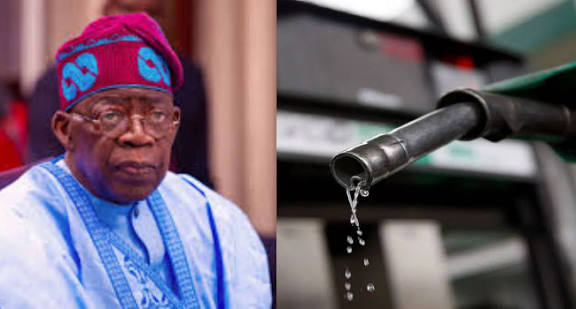
Nigeria’s petrol prices have climbed sharply since the Iran war began in February 2026, but the country’s fuel-price crisis predates the conflict. Comparisons with other countries show how global oil-market shocks have affected consumers, including in oil-producing nations.
Nigeria’s petrol-price increases since the outbreak of the Iran war have renewed debate over the causes of the country’s fuel crisis, with the government’s economic policies and international oil-market disruptions both coming under scrutiny.
The Nigerian National Petroleum Company Limited (NNPCL) was selling petrol at about ₦1,405 per litre at its retail outlets in October 2026, following successive price adjustments. The price varies across retailers and locations. Reports also indicate that the company introduced a temporary discount to cushion consumers against rising costs.
The conflict involving Iran, the United States and Israel has contributed to higher international oil prices and fuel costs. However, the current price pressure cannot be explained by the war alone: Nigeria’s fuel-price structure changed significantly after President Bola Tinubu announced the removal of the petrol subsidy on May 29, 2023.
What changed after subsidy removal?
Following Tinubu’s announcement in 2023, petrol prices rose sharply as the government moved away from subsidised pricing. National Daily reported that prices in Lagos increased from about ₦184 to ₦488 per litre, while prices in Abuja rose from approximately ₦194 to ₦537 per litre. The World Bank subsequently reported that average retail petrol prices increased by 163 per cent in 2023 amid subsidy removal and foreign-exchange reforms.
The reforms changed how fuel prices respond to market conditions. With prices more closely linked to supply costs, exchange rates and international markets, Nigerians became more exposed to changes in the cost of crude oil and refined petroleum products.
That history matters when assessing claims that the Iran war is responsible for Nigeria’s petrol crisis. The conflict is a significant factor in the latest increases, but it did not initiate the changes that began in 2023.
How much have petrol prices increased since the Iran war began?
The war began on February 28, 2026, and the resulting disruption to oil supplies and shipping has pushed up international energy prices.
In Nigeria, petrol sold for approximately ₦830 per litre before the conflict. By September, pump prices in Lagos and Abuja had risen to around ₦1,400–₦1,450 per litre, while the NNPCL price was reported at ₦1,405 in October.
Using ₦830 as the pre-war reference and ₦1,405 as the October price, the increase is ₦575 per litre, or approximately 69 per cent.
That calculation compares two reported Nigerian pump prices; it does not establish that the war alone caused the entire increase. Other factors, including refinery pricing, distribution costs, exchange rates and market conditions, also affect retail prices.
A separate international comparison by Al Jazeera, using Global Petrol Prices data, found that Nigeria’s petrol price had increased by 48 per cent between February 23 and August 17, 2026. The figure differs from the naira-based calculation above because the data series use different measurement periods and methodologies.
Nigeria is not the only country feeling the impact
The rise in Nigerian fuel prices is part of a wider international trend. Countries with different energy policies and economic structures have experienced increases since the conflict began.
Ghana, another West African crude-oil producer, has also experienced sharp increases in fuel prices. According to the Chamber for Bulk Oil Distributors in Ghana, petrol prices rose by approximately 52 per cent between February and the second half of September 2026, despite government interventions to reduce some fuel levies and margins. The chamber also reported a 46.7 per cent increase in diesel prices over the period.
Ghana’s experience is relevant because producing crude oil does not automatically protect a country’s consumers from rising fuel costs. The Associated Press reported in March that Nigeria and Ghana can benefit from selling crude at higher prices but remain exposed because they rely on imported refined petroleum products.
South Africa, which imports most of its fuel, provides another comparison. In October, the government announced that regulated petrol prices would rise by as much as 12 per cent from October 7, while wholesale diesel prices would increase by up to 10 per cent. Reuters attributed the adjustment to higher global energy prices associated with the Iran conflict.
These examples show that the effects of the conflict extend beyond Nigeria. However, the percentages should not be treated as a strict ranking: they cover different periods and pricing systems, and some countries adjust prices more frequently than others.
Why an oil-producing country can still have expensive petrol
Nigeria’s position is particularly complicated. It is a major crude-oil producer, but consumers buy petrol at prices influenced by the cost of obtaining and refining crude, logistics, exchange rates and the domestic pricing system.
The growth of local refining capacity, including the Dangote refinery, has reduced Nigeria’s reliance on imported petrol in some periods. Nevertheless, domestic refining does not entirely isolate the country from international prices. Reuters reported in September that the refinery’s wholesale petrol price had increased amid higher crude costs, while petrol prices in Nigerian cities rose alongside international oil-market pressures.
This creates a two-sided effect. Higher global oil prices can increase export earnings for crude-producing countries, while also raising the cost of petrol, diesel, transport and electricity for domestic consumers. Whether the country as a whole benefits depends on factors such as production volumes, refining costs, foreign-exchange conditions and how additional revenue is distributed or used.
The International Energy Agency’s October 2026 oil-market report said renewed hostilities and supply disruptions pushed North Sea Dated crude up by $26.17 per barrel month-on-month to an average of $116.89 in September. It also warned that the conflict was restricting product availability and contributing to soaring fuel prices and a deteriorating economic outlook.
Does the Iran war explain the entire petrol-price crisis?
The available evidence supports two conclusions.
First, the Iran war has contributed to the recent increase in fuel prices in Nigeria and other countries. International crude and refined-product prices have risen amid supply disruptions, and comparable increases have been recorded in Ghana and South Africa.
Second, Nigeria’s petrol-price crisis did not begin with the war. The removal of the petrol subsidy in 2023 and subsequent changes in foreign-exchange and fuel-pricing arrangements had already altered the cost of petrol for consumers. The war has added a further external shock to that existing situation.
It is therefore important to distinguish between acknowledging the impact of the conflict and attributing the entire crisis to it. Determining precisely how much of the latest Nigerian pump price is attributable to the war would require a detailed breakdown of crude costs, refining margins, exchange rates, distribution expenses and other price components.
The timeline and international comparisons show that the conflict is a genuine factor in the latest increases, but it is not a complete explanation for Nigeria’s fuel-price trajectory since 2023. Any assessment of responsibility must account for both the external shock and the domestic policy changes that preceded it.


-

 Latest1 week ago
Full List: Meet the 2026 Nobel Prize winners across six categories
-

 Football1 week ago
Premier League Matchweek 7: Five Fixtures That Could Shape the Weekend
-
 Business6 days ago
Dangote Refinery IPO: 70% Subscription claim meets fourfold demand assertion as investors seek clarity
-

 Latest7 days ago
Umahi defends Lagos-Calabar highway route changes amid public outcry
-
Business7 days ago
Dangote Refinery IPO Extension: Was the 70% subscription report overhyped?
-

 Latest5 days ago
UCTH faces morgue crisis as 50 unclaimed corpses await mass burial
-
 Featured3 days ago
Inside INEC’s race to prepare for Nigeria’s 2027 elections
-
 Business5 days ago
BREAKING: Nigeria’s Inflation Rate Drops to 14.63% in September