
Featured
Big data that puts Nigeria third in Jan 1 newborn census

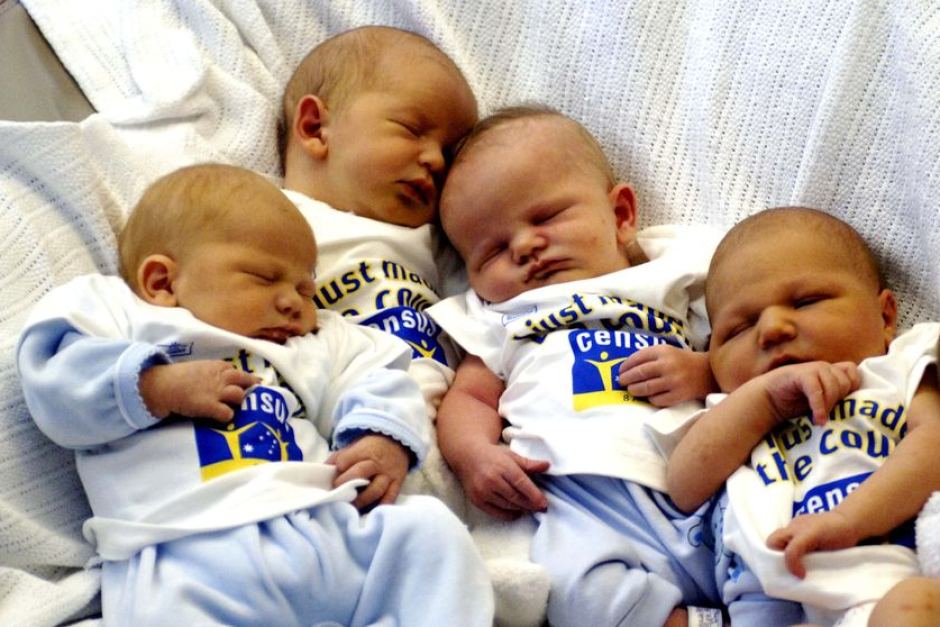
The United Nations Children’s Fund, UNICEF reports that approximately 20,210 babies were born in Nigerian on New Year’s Day.
The births represented third largest population of newborns in the world on January 1, 2018.
UNICEF also said nearly 386,000 babies were born worldwide on New Year’s Day, representing some 90 per cent in less developed regions.
The agency reported that Kiribati’s Christmas Island in the Pacific would most likely welcome 2018’s first baby, while the U.S., its last.
Globally, over half of these births are estimated to take place in nine countries, according to UNICEF.
These are: India, 69,070; China, 44,760; Nigeria, 20,210; Pakistan, 14,910; Indonesia, 13,370; United States, 11,280; Democratic Republic of Congo, 9,400; Ethiopia, 9,020; and Bangladesh, 8,370.
While many babies would survive, some would not make it past their first day, UNICEF regretted.
Stefan Peterson, UNICEF’s Chief of Health, said on Monday that the UN children’s agency is challenging nations around the world to make sure more newborns survive their first days of life.
“This New Year, UNICEF’s resolution is to help give every child more than an hour, more than a day, more than a month – more than survival,” Peterson said.
In 2016, an estimated 2,600 children died within the first 24 hours every day of the year, according to the UN agency.
UNICEF said that for almost two million newborns, their first week was also their last.
In all, 2.6 million children died before the end of their first month, the global children’s agency regretted.
Among those children, more than 80 per cent died from preventable and treatable causes such as premature birth, complications during delivery, and infections like sepsis and pneumonia, UNICEF said.
Peterson stressed: “We call on governments and partners to join the fight to save millions of children’s lives by providing proven, low-cost solutions”.
Over the past two decades, the world has seen unprecedented progress in child survival, halving the number of children worldwide who die before their fifth birthday to 5.6 million in 2016.
But in spite of these advances, there has been slower progress for newborns, UNICEF noted adding, babies dying in the first month account for 46 per cent of all deaths among children under five.
In February 2018, UNICEF will launch ‘Every Child Alive,’ a global campaign to demand and deliver affordable, quality health care solutions for every mother and newborn.
These include a steady supply of clean water and electricity at health facilities, the presence of a skilled health attendant during birth, disinfecting the umbilical cord, breastfeeding within the first hour after birth, and skin-to-skin contact between the mother and child.
“We are now entering the era when all the world’s newborns should have the opportunity to see the 22nd century,” Peterson added.
Unfortunately, nearly half of the children born this year likely will not, the UNICEF official regretted.
“A child born in Sweden in January 2018 is most likely to live to 2100, while a child from Somalia would be unlikely to live beyond 2075,” he lamented.




-
 Comments and Issues6 days ago
Can President Tinubu Revive Nigeria’s Moribund Refineries?
-

 Business6 days ago
TikTok, ByteDance agree to $400m settlement in US children’s privacy case
-

 Business7 days ago
Tinubu knocks Atiku’s subsidy plan, says proposal shows ‘ignorance’ of economy
-

 Entertainment3 days ago
Miss World 2026: Four Continental winners battle for automatic top 20 spot (VIDEO)
-

 Football7 days ago
EPL 2026/27: Experts back Arsenal for title as Haaland, Rice lead individual award picks
-

 Featured7 days ago
Economic Reality vs Party Machinery: What will drive Nigeria’s 2027 election?
-

 Entertainment3 days ago
Miss World 2026: Meet 24 African Contestants Flying Continent’s Flag in Vietnam(VIDEO)
-

 Football4 days ago
Newcastle, Liverpool unite in emotional tribute to Kevin Keegan