
Business
Banks stop issuance of Letters of Credit as FX scarcity bites harder

BY DANLADI BATURE
DEPOSIT Money Banks (DMBs) may have stopped issuance of Letters of Credit (LCs) to importers and manufacturers as scarcity of foreign exchange persist in the market, National Daily investigations have shown.
Analyst says at the weekend that the development portends dangerous signals for an import dependent economy like Nigeria’s.
LC is a document from a bank guaranteeing a buyer’s payment to a seller. The stoppage would mean that importation of critical inputs needed either as raw materials for manufacturing sector or input to resuscitate the decayed infrastructure would be affected negatively.
Also businesses are beginning to crumble with the attendant job loses which trickles down to high rate of poverty.
The development is as a result of uncertainty in the forex market with the attendant negative impact on naira which has continued to depreciate at the autonomous market. The widening gap between the official rate of N197/$ and parallel market of N260/$ is cresting incentive for rent seekers leading to round tripping and speculative activity
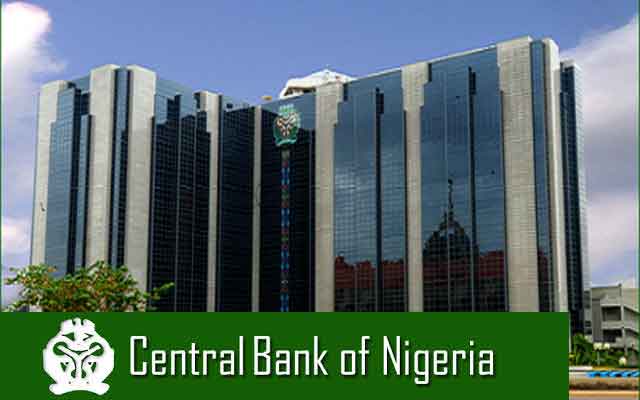
But because the Central Bank of Nigeria (CBN) cannot supply much needed foreign exchange, banks find it difficult to meet demand of customers in their quest for importation of basic items into the economy.
Further investigations showed that some firms which are suffering from importation of raw materials as a result of banks not issuing letters of credit have resorted to restructuring of operations resulting in job loses.
The analysts insist that some of the antidotes to this development is liberalization and devaluation of currency to narrow margin and make forex available for import dependent economy.
Friday Atibogu financial analyst based in Lagos said banks are not issuing letters of credit as a result of scarce foreign exchange, adding however that it is a temporary measure to shore up naira and build foreign reserve. “Very soon it will open up a bit”, he said in telephone call.
He said the immediate measure iis for government to commence import restriction to only essential items, while the long term measure is to increase production capacity.
Another financial analyst said, “We believe the banking sector can deepen its role of financial intermediation to support businesses and economic recovery. Also we believe that the government should provide and support a market-friendly economic environment that will encourage investments. We consider this vital for economic activities to thrive”.









-
 Featured5 days ago
Inside INEC’s race to prepare for Nigeria’s 2027 elections
-
 Featured5 days ago
2027: APC unveils nationwide campaign timetable, Tinubu to rally in 12 states
-

 Latest1 week ago
UCTH faces morgue crisis as 50 unclaimed corpses await mass burial
-
 Business7 days ago
President Tinubu and the Low Transport Fares Fiasco
-

 Business1 week ago
BREAKING: Nigeria’s Inflation Rate Drops to 14.63% in September
-
 Business5 days ago
Court dismisses ₦170m Trade Fair contract claim, says Zenith Bank was not a party
-
 Business3 days ago
Naira faces exchange rate gap as Dollar hits N1,380 on parallel market
-

 Latest6 days ago
Global excitement builds as Healing Streams Live Services returns October 23