
Business
More troubles for Nigeria’s economy, says IMF

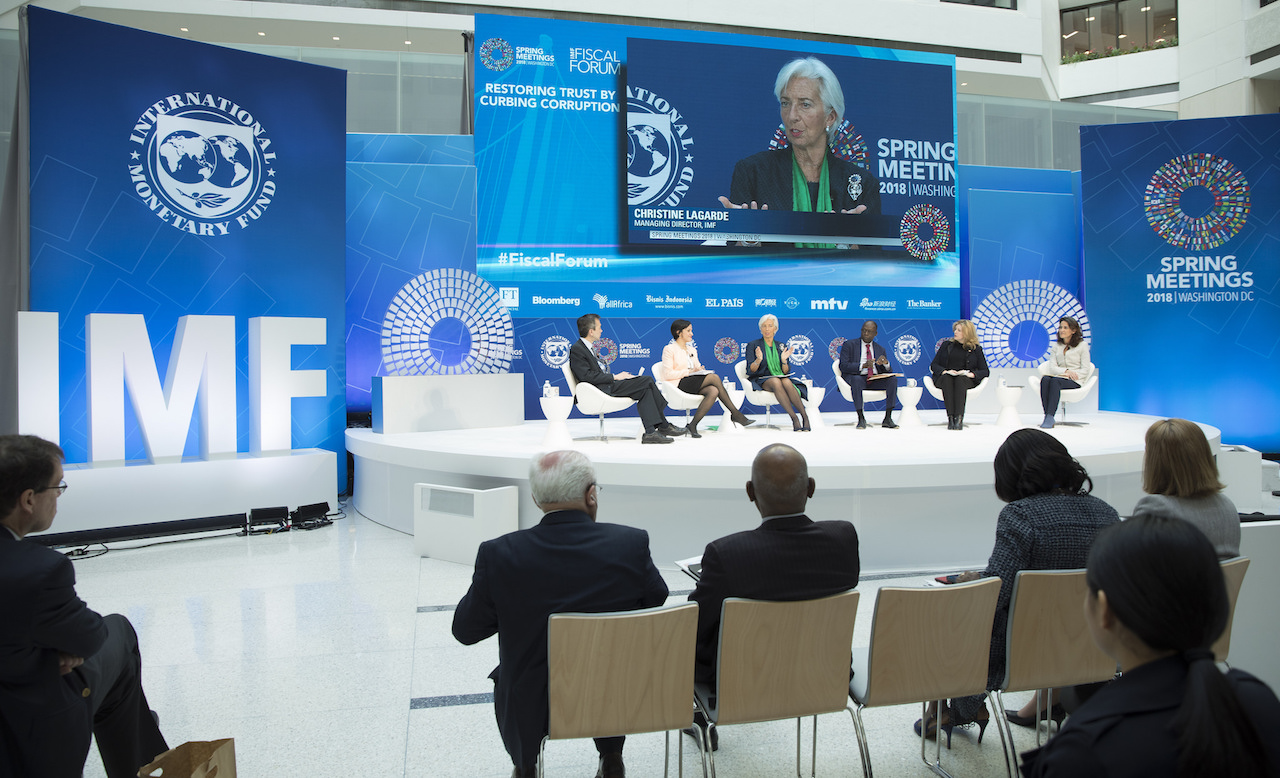
The International Monetary Fund, IMF, says Nigeria’s inflation rate could rise sharply to 13.5% as the country prepares for the 2019 general elections.
Gian Maurice Obstfeld, IMF’s Director of Research Department who disclosed this on Wednesday during the unveiling of IMF’s World Economic Outlook in Indonesia, said in Nigeria, inflation is projected to fall to 12.4 per cent in 2018, from 16.5 per cent in 2017, and rise to 13.5 per cent in 2019.
The Bretton Wood Institution had earlier estimated that the inflation rate in Nigeria would drop to 12.4% in 2018, from 16.5% in 2017.
Certainly, the Nigerian economy is really struggling, as both IMF and the World Bank have also cut down on their economic growth projections for the Nigerian economy in 2018. Also, putting into consideration the fact that inflation rate has just dropped for the first time in 18 months in August.
According to the National Bureau of Statistics (NBS), the inflation rate in Nigeria rose to 11.23% year-on-year in August 2018, which is 0.09% higher than the recorded rate in July (11.14%). Inflation rate also increased by 1.05% on a month-on-month basis, during the period.
The Nigerian economy experienced eighteen consecutive months of disinflation from January 2017, before inflation rate finally fell in August 2018.
Core inflation stood at 10.00% and decreased by 0.2% in the month of August from 10.2% recorded in July. On a month on month basis, it rose by 0.78% in the period under review. It was down by 0.03% when compared with 0.81% recorded in July.
The Composite Food Index (food inflation) rose by 13.16% during the period under review, compared to 12.85% in July 2018. The figure shows food inflation has increased on year on year basis, for the first time in ten months. The reduction was caused by the increase in prices of potatoes, yam and other tubers, fish, bread, fish, Oil and fats, vegetables and fruits.
For investors, rising inflation means higher yields on treasury bills and other government securities. For select borrowers, the rise in inflation, in theory, should lead to higher rates.
.


-

 Football1 week ago
FULL LIST: Eight stadiums to host 2027 Women’s World Cup in Brazil
-
 Business1 week ago
Dangote Refinery IPO: Can small investors really make money from the shares?
-
 Business4 days ago
CBN reduces MPR by 350bps to 23% in major monetary policy shift
-

 Business6 days ago
Jetour takes T1 adventure SUV experience to Abuja, targets growing Nigerian market
-

 Football6 days ago
Nigeria vs Colombia: Falconets battle for U-20 World Cup semi-final ticket
-

 Football7 days ago
Breaking:Brighton shocks Arsenal 3-0 as Gunners’ perfect start comes crashing down
-
 Business6 days ago
NMDPRA moves against petrol price gouging as pump prices rise to N1,450
-
 Comments and Issues5 days ago
Peter Obi and the Pensioners’ Testimony