Connect with us

Featured

Abdulsalami alleges politicians exploited June 12 crisis for personal gain

Published

on

Abdulsalami alleges politicians exploited June 12 crisis for personal gain
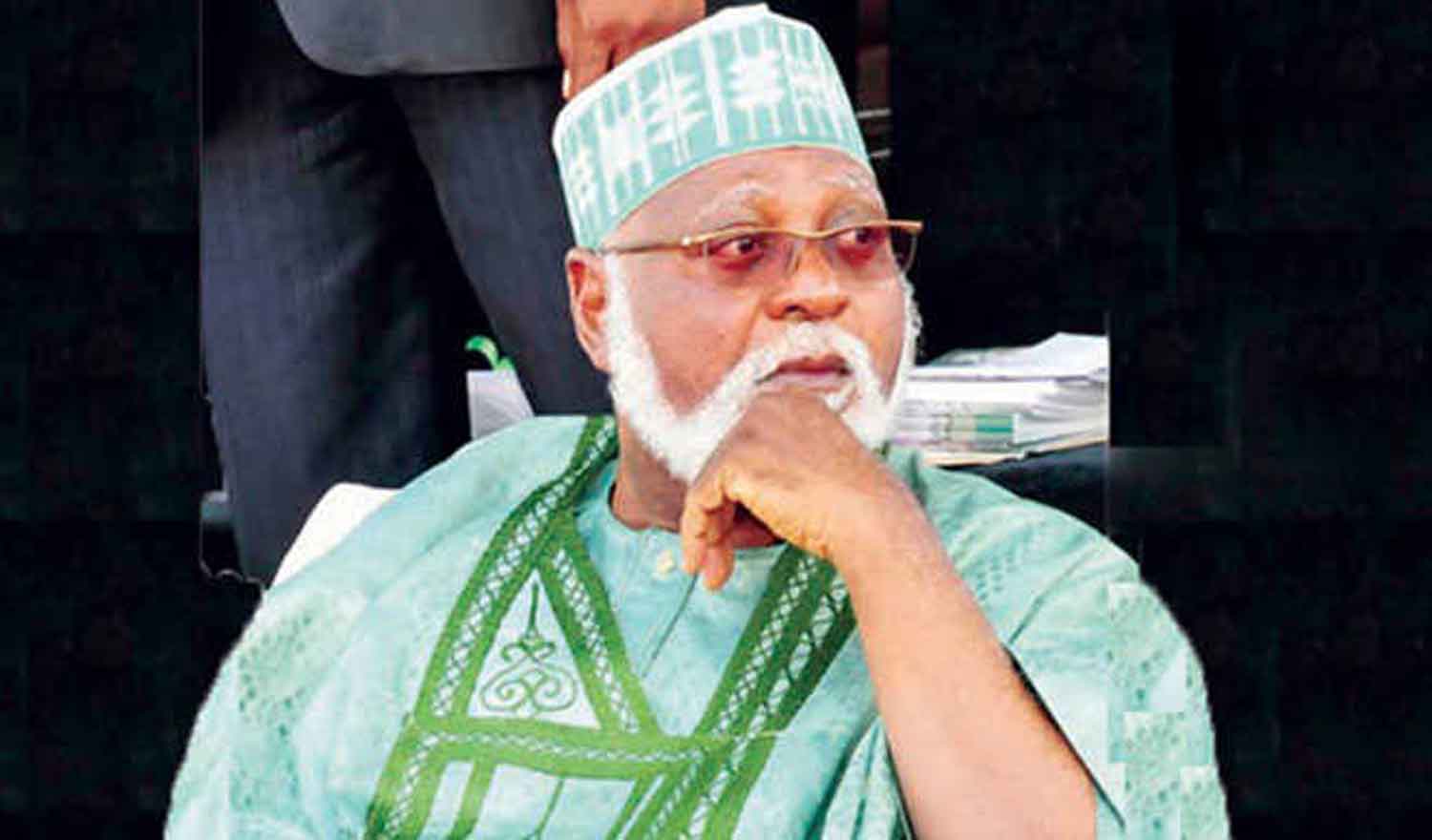
Former Head of State, General Abdulsalami Abubakar (retd.), has accused Nigerian politicians of exploiting the June 12, 1993 political crisis for personal enrichment, alleging that some political actors collected money from rival camps while publicly claiming loyalty to opposing sides.

The revelation is contained in his newly released autobiography, Call of Duty, unveiled recently in Abuja.

In the book, Abdulsalami described Nigerian politicians as “a tribe on their own,” arguing that many political figures often put personal interests above ideology, ethnicity, religion, or party affiliation.

According to the former military ruler, politicians involved in the events surrounding the annulled June 12 presidential election frequently switched loyalties and pursued financial benefits while presenting themselves as committed supporters of various political causes.

He recounted a story allegedly told to him by late businessman and politician Bashir Tofa, who contested the 1993 presidential election on the platform of the National Republican Convention (NRC) against Moshood Kashimawo Olawale Abiola of the Social Democratic Party (SDP).

According to Abdulsalami, Tofa complained that several politicians approached him before the election seeking funds, claiming they could deliver votes from their constituencies. After providing the requested support, Tofa reportedly discovered that the same individuals were also maintaining close ties with the rival SDP camp.

The retired general said the episode highlighted what he described as a longstanding culture of political opportunism in Nigeria.

He further recalled witnessing similar developments during the Second Republic while serving at the Nigerian Defence Academy in Kaduna, where political rivalries contributed to divisions within the former Peoples Redemption Party (PRP).

Abdulsalami also used the memoir to shed light on events during the administration of late military ruler Sani Abacha. He disclosed that influential figures within the military hierarchy often wielded significant influence behind the scenes and sometimes bypassed formal decision-making structures.

The former leader said he and other senior military officers repeatedly advised Abacha to engage in dialogue with Abiola and seek a political resolution to the post-election crisis. According to him, those efforts did not succeed.

Following Abacha’s death in 1998, Abdulsalami assumed leadership and supervised Nigeria’s transition to civilian rule, culminating in the handover of power to a democratically elected government in 1999.

His latest revelations come as Nigeria commemorates another anniversary of the June 12 election, widely regarded as one of the country’s most significant democratic milestones and a defining moment in its struggle for democratic governance.

Continue Reading
Advertisement
Click to comment

Leave a Reply

Your email address will not be published.

Trending