
Covid-19
COVID-19: Germany, Russia trade words over safety of new vaccine

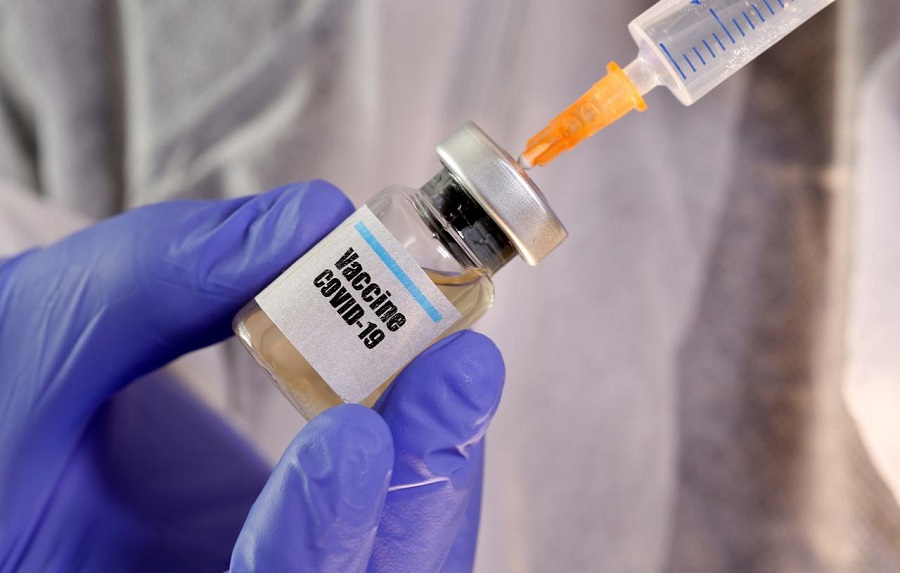
Germany has expressed reservations over the safety of the new COVID-19 vaccine recently developed in Russia, noting that the vaccine had not been sufficiently tested.
The country’s health minister, Jens Spahn on Wednesday said the aim should be to have a safe product rather than just being first to start vaccinating people.
“It can be dangerous to start vaccinating millions, if not billions, of people too early because it could pretty much kill the acceptance of vaccination if it goes wrong, so I’m very skeptical about what’s going on in Russia,” Spahn said.
“I would be pleased if we had an initial, good vaccine but based on everything we know – and that’s the fundamental problem, namely that the Russians aren’t telling us much – this has not been sufficiently tested,” he added.
Spahn said it was crucial, even during a pandemic, to carry out proper studies and tests and make the results public to give people confidence in the vaccine.
But the Russian health minister Mikhail Murashko has debunked the skepticisms.
He said on Wednesday allegations that Russia’s COVID-19 vaccine was unsafe were groundless and driven by competition, the Interfax news agency reported.
Putin and other officials have also said it is completely safe. One of Putin’s daughters was reported yesterday to have been inoculated.
President Vladimir Putin announced on Tuesday that Russia had become the first country to grant regulatory approval to a COVID-19 vaccine after less than two months of human testing.
Moscow’s decision to grant approval before final trials have been completed has raised concerns among some experts.
Russian Government officials have said it will be administered to medical personnel, and then to teachers, on a voluntary basis at the end of this month or in early September.
The manufacturers said the vaccine will be available to the public in January, although another report said the mass roll out will begin in October.
Only about 10% of clinical trials are successful and some scientists fear Moscow may be putting national prestige before safety.


-
 Latest7 days ago
Israel marks 3 years since October 7 Hamas attack amid Gaza strikes, election debate
-

 Energy6 days ago
Fuel Battle: Dangote, marketers and government clash over petrol imports
-

 Energy1 week ago
Petrol, diesel prices rise 86% in 2026 as costs hit fresh highs
-

 Latest1 day ago
Full List: Meet the 2026 Nobel Prize winners across six categories
-

 Football1 week ago
Nigeria’s World Cup exit under spotlight as FIFA’s DR Congo files emerge
-

 Latest1 week ago
US Court set to rule on release of FBI, DEA records on Tinubu
-

 Business1 week ago
Nigerian investors at a crossroads as fixed-income yields slide
-

 Latest1 week ago
Oyo APC crisis deepens as Oluyole reconciliation meeting ends in brawl