
Energy
Crude price plunges as demand remains low

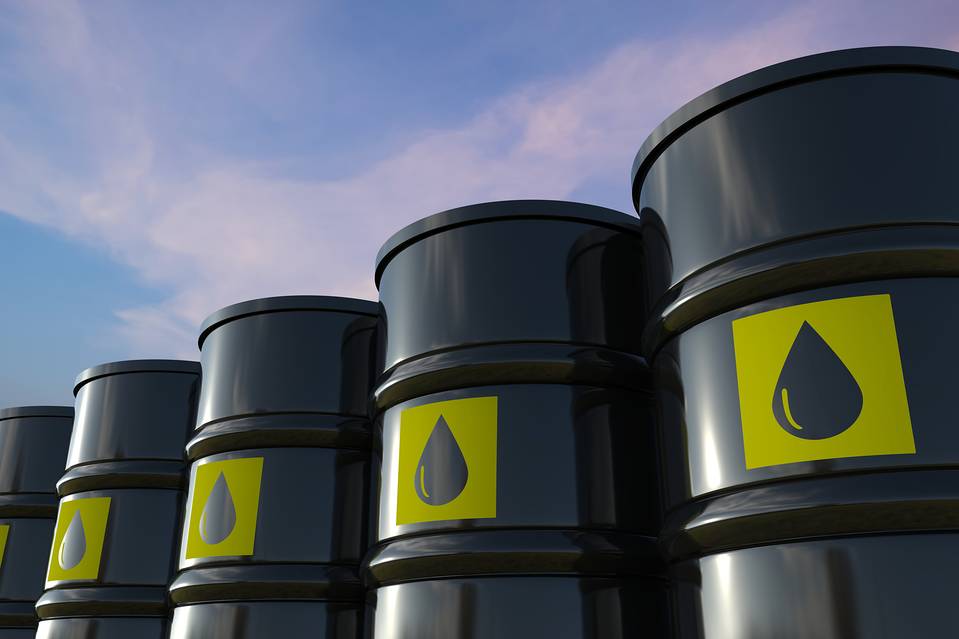
The U.S. crude futures plunged more than 85% on Monday to the lowest price on record as storage space for U.S. crude was filling up and demand for crude evaporated.
The May U.S. WTI contract fell $15.91, or 87.1%, to $2.36 a barrel at 1:25 p.m (1725 GMT) after touching an all-time low of $2.26. Brent was down $1.76, or 6.3%, to $26.32 a barrel.
The June WTI contract is trading more actively at a much higher level of $22.25 a barrel. The spread between May and June was more than $19, the widest in history for the two nearest monthly contracts.
Investors bailed out of the May contract ahead of expiry later on Monday because of lack of demand for the actual oil.
When a futures contract expires, traders must decide whether to take delivery of the oil or roll their positions into another futures contract for a later month.
Usually this process is relatively uncomplicated, but this time, there are very few counter-parties that will buy from investors and take delivery of the oil.
Storage is filling quickly at Cushing in Oklahoma, which is where the crude is delivered.
“There is no bid for May WTI as there is no buyer and we have yet to see a significant reduction is supply at Cushing to offset it,” said Scott Shelton, energy specialist at United ICAP.
Analysts said this month’s agreement between OPEC and its peers to slash output by 10 million barrels a day was having little impact because of the virus lockdowns and travel restrictions that are keeping billions of people at home.
AxiCorp’s Stephen Innes added: “It’s a dump at all cost as no one… wants delivery of oil, with Cushing storage facilities filling by the minute.
“It hasn’t taken long for the market to recognise that the OPEC+ deal will not, in its present form, be enough to balance oil markets.”
But market analyst Patrick J. O’Hare noted that the collapse in oil prices is not just a problem for the energy sector.
“It’s also a problem for the financial sector and investor sentiment in general, as weakening oil prices increase angst about solvency risk, geopolitical risk, and social unrest in countries that are heavily reliant on oil revenue,” he said in a note to clients.


-

 Trending Stories1 week ago
Davido, Wizkid, Burna Boy or Asake: Who is having the biggest 2026 so far?
-

 Football1 week ago
Premier League releases 2026/27 festive fixtures, 7 matches set for Boxing Day
-

 Crime6 days ago
Anambra Police arrest mother over alleged child sexual exploitation
-

 Business5 days ago
Jetour Nigeria, dealers take dashing, other models to Abuja Experience
-

 Business6 days ago
Dangote Refinery IPO shifts spotlight to corporate governance, investor protection
-

 Business3 days ago
Dangote IPO rush crashes Bamboo login as investors flood platform
-

 Business2 days ago
Abuja gears up for Jetour T2’s rugged-luxury experience
-

 Business3 days ago
Nigeria Business Outlook: Dangote IPO, markets, inflation and naira in focus this week