
ICT
FG to criminalise abuse of local content policy

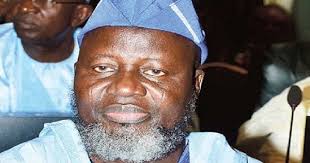
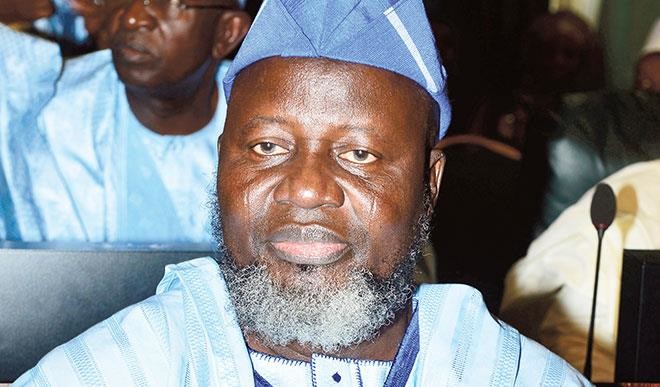
Minister of Communication Adebayo Shittu has urged the national assembly to enact a holistic law to criminalize breach of the Executive Orders 003 and 005 on local content in information technology.
The Executive Orders are designed to give local software industry and practitioners chance to improve their skills and products with minimal stifling competition from foreign firms.
Shittu said that “Local content must be elevated to such a level as to save our economy. What more can be economic sabotage if actions that cause massive loss of jobs foreign exchange are not redressed?”
Noting that local content does not mean excluding foreign participation in the Nigerian economy, the Minister assured that NITDA was committed to the implementation of the local content program and the executive order on local content.
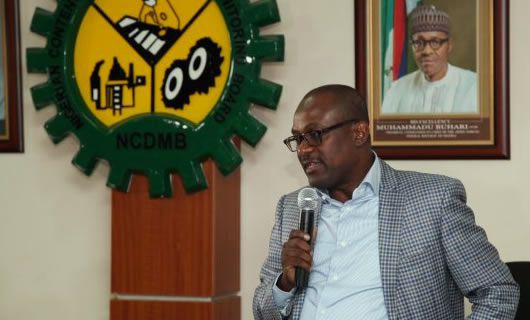
Nodding in agreement, Isa Ali Ibrahim Pantami, director general, National Information Technology Development Agency (NITDA) said; “considering that about 80% of ICT hardware and software consumed in Nigeria are imported, by estimation, Nigeria would spend about 120 billion by the year 2020 on the importation of foreign technologies. The influx of foreign technologies into the Nigerian market has made the nation a dumping ground for substandard technologies.”



-

 Latest1 week ago
Pastor Chris Oyakhilome announces mother’s passing at 88 [VIDEO]
-

 Latest2 days ago
US Immigration fees rise from October 16 as USCIS announces new charges
-

 Football6 days ago
How David Beckham made $51.1m from 2026 World Cup, surpassing winners’ prize
-

 Comments and Issues7 days ago
Fani-Kayode on Atiku: Separating claims from the record
-
 Crime1 week ago
Deaths in NSCDC Custody: Can Nigeria guarantee the safety of detainees?
-
 Health5 days ago
COVID-19 Hospital care under scrutiny as US Senate hears patient, family testimonies
-

 Business5 days ago
OpenAI shelves GPT-6.1 astra release over safety concerns
-

 Featured1 week ago
Atiku, APC trade accusations over corruption allegations ahead of 2027 elections