
Business
FG to impose levy on goods imported from outside Africa

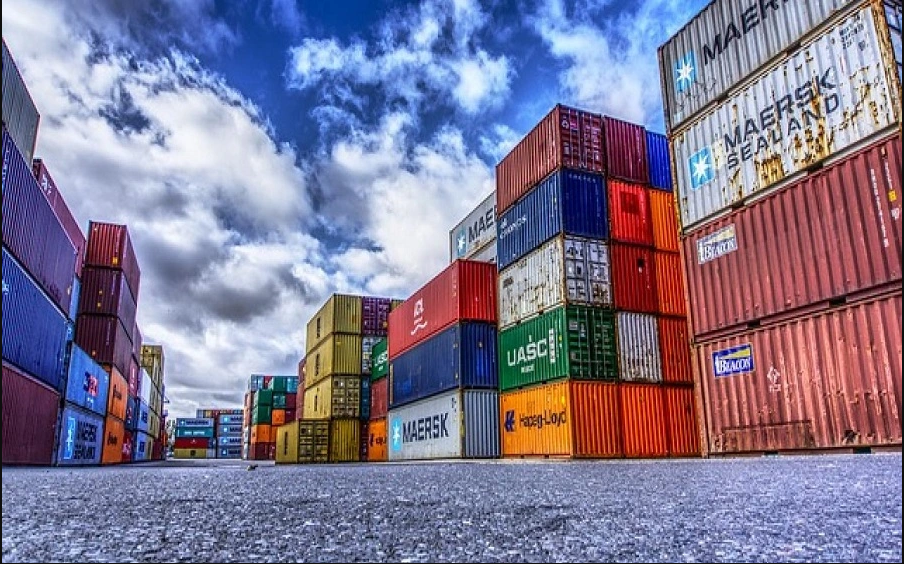
The Federal Government has moved to impose a 0.5 percent levy on goods imported from countries outside Africa in a bid to meet obligations to the African Development Bank (AfDB), the World Bank, and other multilateral lenders.
However, the move is subject to the passage of the 2022 Finance Bill by the National Assembly.
The levy, which was introduced under Sector 13 for Customs, Excise, Tariff, etc. (Consolidation) Act in the 2022 Finance Bill, will also provide funds to finance obligations to African Export-Import Bank (Afreximbank) and ECOWAS Bank for Investment and Development.
According to a House of Representatives Committee on Finance‘s document titled: “ Invitation to a One Day Public Hearing and Submission of Memoranda on the 2022 Finance Bill,” seen by journalists on Sunday, the Islamic Development Bank and United Nations will also receive funds generated from the levy.
READ ALSO: N2.5 trillion worth of goods imported into Nigeria in 3 months
“In addition to extant customs duties and other approved charges, a levy of 0.5 percent is hereby imposed on all eligible goods imported into Nigeria from outside Africa to finance capital contributions, subscriptions, and other financial obligations to the African Union, African Development Bank, African Export-Import Bank, ECOWAS Bank for Investment and Development, Islamic Development Bank, United Nations, and other multilateral institutions as may be designated by regulation issued by the minister responsible for finance,” the document read.
The move is aimed at reducing Nigeria’s debt, with the country’s debt profile rising from N39.556 trillion in December 2021 to N42.84 trillion in June.
President Muhammadu Buhari had during the week requested the National Assembly’s approval for a cash advance of N1 trillion to the Federal Government from the Central Bank of Nigeria (CBN).
He also asked the parliament to approve N819.53 billion as a Supplementary Budget for the outgoing year.
Although the move is expected to raise the federal government’s revenue, it will increase the cost of imported goods and drive inflation in the country.
The CBN Governor, Godwin Emefiele, had recently assured Nigerians that the apex bank would drive efforts at reducing the country’s inflation to at least 15 percent before the fourth quarter of 2023.
Nigeria’s inflation rose from 15.60 percent in January to 21.47 percent in November.


-
 Latest6 days ago
Israel marks 3 years since October 7 Hamas attack amid Gaza strikes, election debate
-

 Energy6 days ago
Fuel Battle: Dangote, marketers and government clash over petrol imports
-
 Energy7 days ago
Petrol, diesel prices rise 86% in 2026 as costs hit fresh highs
-

 Football7 days ago
Nigeria’s World Cup exit under spotlight as FIFA’s DR Congo files emerge
-
 Energy1 week ago
Has Iran lost control of the Strait of Hormuz? Oil flows rebound as war disruptions persist
-

 Latest7 days ago
US Court set to rule on release of FBI, DEA records on Tinubu
-

 Latest16 hours ago
Full List: Meet the 2026 Nobel Prize winners across six categories
-
 Business7 days ago
Nigerian investors at a crossroads as fixed-income yields slide