
Business
Dangote Refinery slashes petrol price to N1,175/litre as global oil market cools

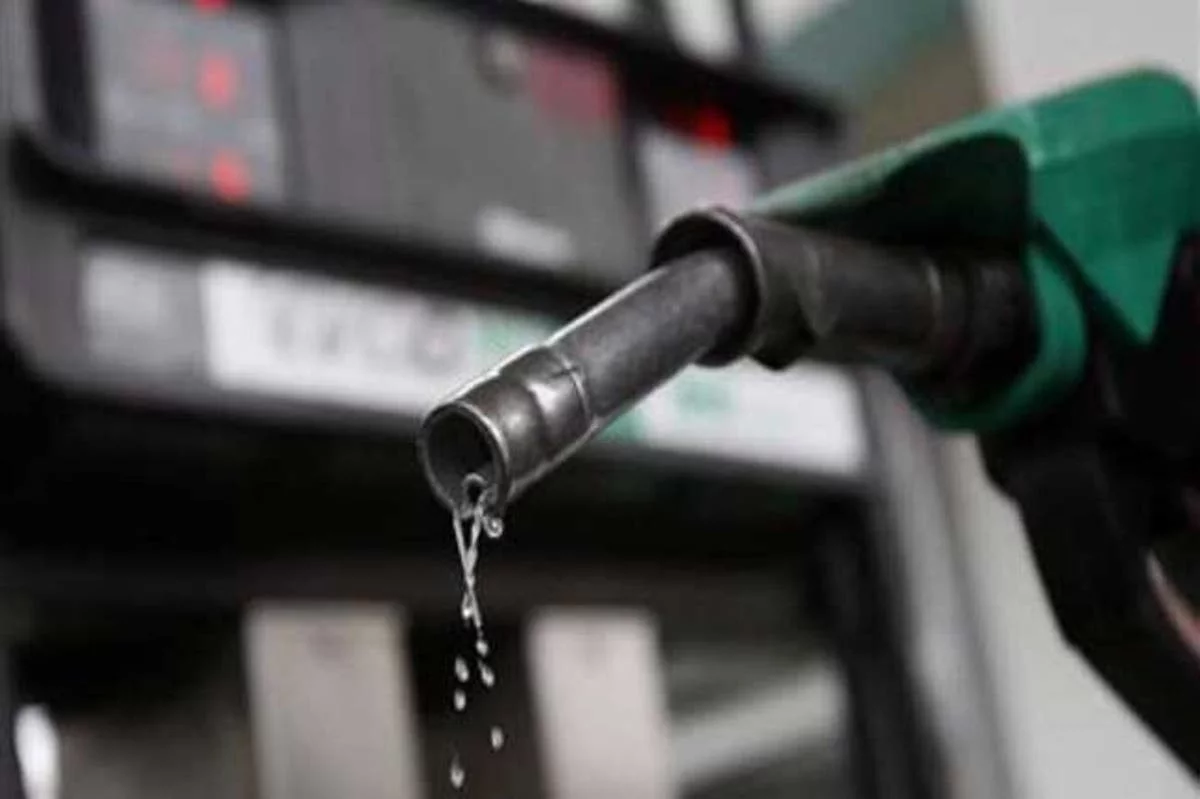
The Dangote Petroleum Refinery has announced a fresh reduction in the ex-depot price of Premium Motor Spirit (PMS), popularly known as petrol, cutting its gantry price from ₦1,250 per litre to ₦1,175 per litre amid easing tensions in the Middle East and declining global crude oil prices.
The latest adjustment, communicated to fuel marketers in a circular issued on Monday, signals a significant development in Nigeria’s downstream petroleum sector and could pave the way for lower pump prices across the country if marketers pass on the savings to consumers.
According to the refinery, the price review was prompted by recent developments in the international oil market, particularly the de-escalation of geopolitical tensions in the Middle East that had contributed to elevated energy prices over the past three months.
“Following the de-escalation of tensions in the Middle East, which has impacted energy prices, we wish to inform you that we have reviewed our premium motor spirit gantry/coastal price,” the company stated in the circular.
Under the revised pricing structure, the gantry price has been reduced by ₦75 per litre, while the coastal supply price per metric tonne has also been adjusted downward from ₦1,595,790 to ₦1,495,215.
The refinery noted that the new rates became effective from midnight on June 16, 2026.
“Kindly note that all outstanding unloaded gantry volumes will be repriced at the new rate effective 12:00 AM, June 16, 2026. We sincerely appreciate your continued patronage and assure you of our unwavering commitment to reliable product supply and excellent service delivery,”
Industry pricing platform Petroleumprice.ng reported that the latest reduction has positioned Dangote Refinery as one of the cheapest sources of petrol supply in the country.
Prior to the adjustment, many marketers were reportedly purchasing petrol at around ₦1,240 per litre, making the refinery’s revised ex-depot price more attractive to distributors and independent marketers.
READ ALSO: Dangote Refinery surpasses capacity, targets 1.4m barrels daily in global expansion drive
Analysts believe the move could intensify competition among fuel suppliers and potentially trigger a new round of price reductions at retail filling stations, particularly in major urban centres.
The reduction comes against the backdrop of improving sentiment in the global energy market following reports of diplomatic progress between the United States and Iran regarding the reopening of the strategic Strait of Hormuz, one of the world’s most critical oil shipping routes.
Crude oil prices had surged to around $83 per barrel amid fears of prolonged disruptions in the region. However, reports of a ceasefire agreement and renewed diplomatic engagement between both countries have eased supply concerns.
According to international energy market reports, Brent crude oil retreated from recent highs after announcements that both sides had reached an agreement aimed at ending hostilities and restoring stability to regional energy flows.
The partial reopening of the Strait of Hormuz has further boosted confidence among traders, resulting in a decline in global crude prices and reducing pressure on refined petroleum product costs.
The latest reduction has renewed hopes among Nigerians for further declines in petrol prices after months of elevated energy costs that have contributed to inflationary pressures across the economy.
Industry observers note that if crude oil prices continue their downward trend and the relative stability in the foreign exchange market is sustained, fuel prices could decline further in the coming weeks.
However, officials at the Dangote Refinery have cautioned that additional reductions may not occur immediately because the company still holds inventories of crude oil purchased at significantly higher prices during the peak of the recent geopolitical crisis.
A refinery official reportedly indicated that while petrol prices could eventually fall to around N900 per litre under favourable market conditions, the timing of such reductions would depend on the cost of existing crude stock and future market developments.


-

 Featured6 days ago
Inside INEC’s race to prepare for Nigeria’s 2027 elections
-

 Latest1 week ago
Global excitement builds as Healing Streams Live Services returns October 23
-

 Featured6 days ago
2027: APC unveils nationwide campaign timetable, Tinubu to rally in 12 states
-

 Business1 week ago
President Tinubu and the Low Transport Fares Fiasco
-
 Business3 days ago
Naira faces exchange rate gap as Dollar hits N1,380 on parallel market
-
 Business6 days ago
Court dismisses ₦170m Trade Fair contract claim, says Zenith Bank was not a party
-
 Latest6 days ago
Breaking: NNPCL raises petrol price to ₦1,405 per litre amid discount controversy
-
 Business1 week ago
Rite Foods targets beverage market growth with LIDA Malt